

Why steam canning works for home kitchens
Steam canning uses hot steam to process high-acid foods. It is safe for reusable lids and typically faster than water bath methods.
Unlike water bath canning, which submerges jars in boiling water, steam canning relies on the heat of rising steam to preserve food. This method is significantly faster because steam transfers heat more efficiently than water. You can process jars in as little as 15 minutes, compared to the 45 minutes or more often required for water bath canning. This speed reduces the risk of overcooking delicate fruits and preserves their bright flavor and texture.
The design of modern steam canners also addresses a common concern: lid reuse. Traditional water bath canners often require heavy lids to seal jars, which can warp or degrade over time. Steam canners typically use lightweight, reusable lids that are easier to maintain and less prone to damage. This makes steam canning a more sustainable and cost-effective option for home preservers.
For beginners, steam canning is straightforward and beginner-friendly. It requires less water, which means less energy and less cleanup. As long as you follow current guidelines from reputable sources like the USDA or university extension services, you can safely preserve your harvest with confidence.
Top steam canner models for 2026
Steam canners have gained significant traction among home preservers because they use less water, consume less energy, and preheat much faster than traditional water bath canners. The USDA officially approved steam canners in 2021, confirming that they are safe for high-acid foods like jams, jellies, pickles, and fruits, provided you follow strict processing times and altitude adjustments.
When selecting a steam canner, the most critical factor is lid compatibility. You must ensure the lid fits your specific canner model to maintain the necessary steam pressure. Additionally, check the interior tray design; deeper trays accommodate larger jars, while shallower designs may limit you to pint-sized containers.



As an Amazon Associate, we may earn from qualifying purchases.
The Victorio VKP1015 remains a favorite for its durable stainless steel construction and generous capacity, fitting up to seven pint jars or four quart jars. Its glass lid features a condensation trap that prevents water from dripping back into the food, which helps maintain consistent steam levels. This model is particularly popular for preserving large batches of jams and pickles during peak harvest season.
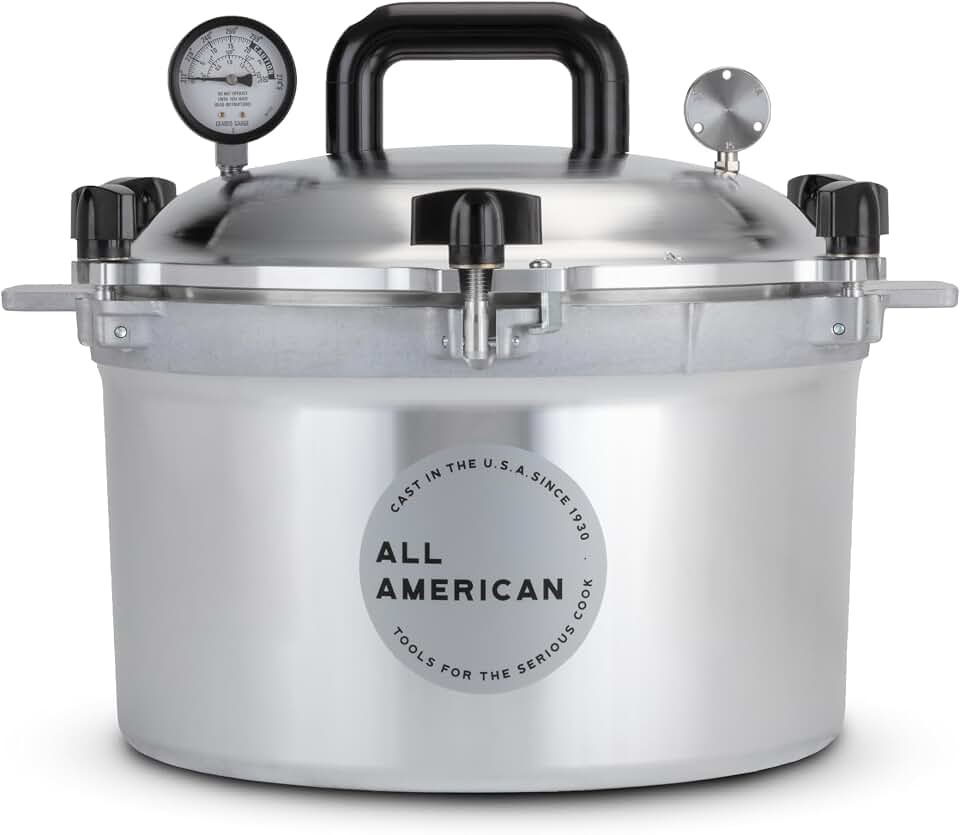
For those prioritizing longevity and precision, the All American Steam Canner offers a heavy-duty aluminum build with no rubber gaskets to replace. It includes dual pressure gauges for added safety and accuracy, making it a robust choice for serious preservers who want a "buy it for life" tool. While it lacks the lightweight convenience of other models, its reliability under high heat is unmatched.
Budget-conscious buyers often turn to the Canning Supply Co. or Presto models. These options provide essential steam canning functionality at a lower price point. The Canning Supply Co. model features a borosilicate glass lid that withstands thermal shock, while the Presto model boasts a compact footprint that is easy to store in small kitchens. Both are suitable for occasional use and small-batch preserving.
Comparing steam canners to water bath pots
Use this section to make the Best Steam Canners for decision easier to compare in real life, not just on paper. Start with the reader's actual constraint, then separate must-have requirements from details that are merely nice to have. A practical choice should survive normal use, maintenance, timing, and budget. If a recommendation only works in an ideal situation, call that out plainly and give the reader a fallback path.
| Factor | What to check | Why it matters |
|---|---|---|
| Fit | Match the option to the primary use case. | A good deal still fails if it does not fit the job. |
| Condition | Verify age, wear, and service history. | Hidden condition issues erase upfront savings. |
| Cost | Compare purchase price with likely upkeep. | The cheapest option is not always the lowest-cost option. |
Choosing the right quart canning jars
Steam canners rely on a specific thermal cycle that differs from boiling water bath methods. Because the heat penetrates differently, using the correct quart canning jars is essential for both safety and seal quality. You need jars that are designed to withstand rapid temperature changes without cracking, while also allowing steam to circulate evenly around the container.
Straight-sided jars
Straight-sided quart jars are the standard choice for steam canning. Unlike tapered jars, which have a wider mouth that narrows toward the base, straight sides allow steam to flow freely around the entire surface area. This uniform exposure helps the food heat through more evenly, which is critical for maintaining texture in fruits and pickled vegetables. The flat base also sits securely on the canner rack, preventing tipping during the processing cycle.
Reusable lid compatibility
Compatibility with reusable lids is a major factor in modern preserving. Many straight-sided quart jars now feature a two-piece design that works seamlessly with silicone or reusable metal lids. These lids offer a durable alternative to single-use metal disks, reducing waste and cost over time. When selecting jars, verify that the rim is smooth and undamaged, as any imperfections can compromise the seal, regardless of whether you use traditional metal lids or reusable alternatives.
High-acid food safety
Steam canning is strictly limited to high-acid foods. This includes fruits, acidified tomatoes, pickled products, jams, jellies, and preserves. The acidity level (pH 4.6 or lower) prevents the growth of harmful bacteria like Clostridium botulinum. Always follow tested recipes from reliable sources, such as the USDA or university extension services, to ensure your acid levels are correct. Do not attempt to steam can low-acid vegetables or meats, as this method does not reach the temperatures necessary to make them safe for shelf storage.

As an Amazon Associate, we may earn from qualifying purchases.
Safe practices for reusable canning lids
The most common mistake in steam canning involves confusing flat lids with bands. Flat lids contain a sealing compound that softens only once. Once that compound has been heated and compressed against the jar rim, it cannot create a new seal. Reusing a flat lid for a second batch is a safety risk that leads to spoilage, regardless of whether you use a boiling water bath or an atmospheric steam canner.
Bands, however, are different. These are simple metal rings with no sealing mechanism. You can wash, dry, and reuse bands indefinitely. They serve only to hold the jar in place during processing and cooling. The actual seal depends entirely on the flat lid and the glass jar rim.
Steam canning differs from boiling water canning in how it interacts with lid integrity. Because steam canners operate at temperatures slightly below boiling water, there is less thermal shock to the glass and the metal lids. This gentle heat profile helps maintain the structural integrity of the sealing compound over time, provided you follow the "use once" rule for flats. Always inspect your jars for chips or cracks on the rim before applying a new flat lid.
Scrub bands with hot, soapy water to remove old residue. Dry them thoroughly to prevent rust. These rings are safe to reuse for every batch of high-acid foods, including fruits, pickled vegetables, and acidified tomatoes.
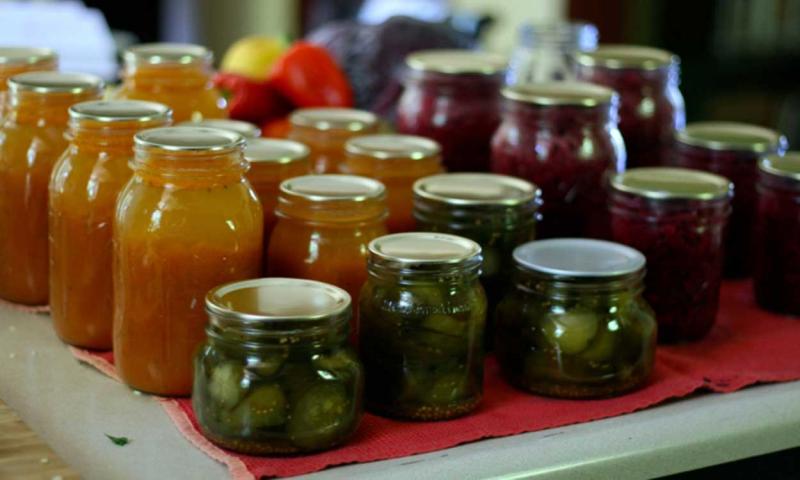
Never reuse a flat lid. The sealing compound is designed to soften and bond only during the initial heating process. Once it has been compressed against the jar rim, it loses its ability to form an airtight seal. This rule applies equally to steam canning and boiling water canning.
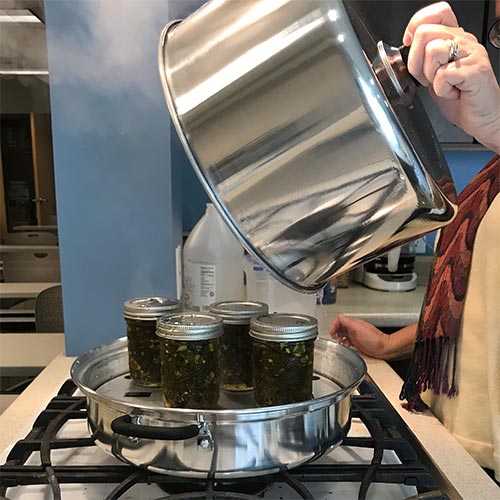
Keep new flat lids in a cool, dry place until you are ready to use them. Most manufacturers recommend heating flat lids in simmering water (not boiling) for 10 minutes before use to soften the sealing compound. This step ensures the best possible seal when you process your high-acid foods in the steam canner.
Frequently asked questions about steam canning
Is steam canning safe for all foods?
Steam canning is safe only for high-acid foods with a pH of 4.6 or lower. This includes fruits, pickles, jams, and properly acidified salsas. It is not safe for low-acid vegetables, meats, or dairy, which require pressure canning to prevent botulism. Always follow tested recipes from reliable sources like the National Center for Home Food Preservation.
Can I reuse lids with steam canning?
Yes, you can reuse flat lids if they are in good condition. After processing, remove the lid, clean it thoroughly, and inspect the sealing compound for cracks or damage. If the lid is dented or the seal is compromised, use a new one. Bands can be reused indefinitely as long as they are not rusted or bent.
How does steam canning compare to water bath canning?
Steam canning uses less water and heats jars faster than traditional water bath canning. This makes it more energy-efficient and reduces the risk of overcooking delicate foods like fruits. Both methods are equally safe for high-acid foods when processed for the correct time and altitude.
What is the maximum processing time for steam canning?
Steam canning processes must not exceed 45 minutes. If a recipe requires longer processing, it is not suitable for steam canning and should be converted to water bath or pressure canning. Always check the specific time requirements for your jar size and food type.
Do I need a special steam canner?
While you can use a large stockpot with a rack, a dedicated steam canner like the All-American or Presto models is recommended. These units are designed to maintain consistent steam pressure and temperature, ensuring safe and even processing. Generic pots may not provide the same level of safety or efficiency.
No comments yet. Be the first to share your thoughts!