

Steam canning explained simply
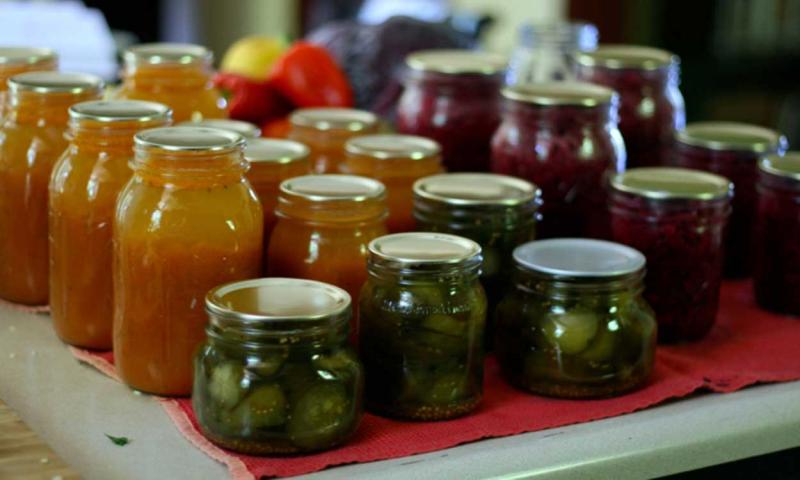
Steam canning is a safe, USDA-approved method for preserving high-acid foods. It uses a shallow canner with a small amount of water to generate steam, which surrounds the jars to kill bacteria and create a vacuum seal. This technique is particularly efficient because it requires significantly less water and energy than traditional water bath canning, making it faster to heat up and cool down.
The process relies on the principle that steam transfers heat more efficiently than boiling water. Because the jars are not submerged, you can fit more quart jars into a smaller footprint, though you must ensure the canner has enough water to maintain a steady steam supply throughout the entire processing time. Always follow current USDA guidelines to ensure your preserves are safe for long-term storage.
How steam canning differs from pressure canning
The core difference between steam and pressure canning comes down to temperature and pressure. Steam canning relies on saturated steam at atmospheric pressure to reach 212°F (100°C). Pressure canning seals jars in a heavy pot that builds internal pressure, allowing the temperature to rise to 240°F–250°F (116°C–121°C).
This temperature gap dictates which foods are safe. The higher heat in a pressure canner is the only way to destroy botulism spores in low-acid foods like vegetables, meats, and poultry. Steam canning, limited to 212°F, is safe only for high-acid foods where the acidity itself prevents bacterial growth.
| Metric | Steam Canning | Pressure Canning |
|---|---|---|
| Max Temperature | 212°F (100°C) | 240°F–250°F (116°C–121°C) |
| Pressure Type | Atmospheric | Sealed, pressurized |
| Safe For | High-acid foods (pH ≤ 4.6) | Low-acid foods (pH > 4.6) |
| Water Usage | Minimal (just enough to generate steam) | Substantial (jars submerged) |
| Preheat Time | Fast (5–10 minutes) | Slow (20–30 minutes) |
Steam canning is essentially an upgrade to the traditional water bath method. It uses significantly less water and preheats much faster, making it more energy-efficient for fruits, pickles, and jams. However, you cannot swap a steam canner for a pressure canner if you plan to preserve low-acid items. Doing so leaves food vulnerable to botulism, a serious and potentially fatal illness.
When choosing between the two, look at the pH of your recipe. If you are canning quart jars of tomatoes, peaches, or pickles, a steam canner is a quick, safe choice. If you are processing quart jars of green beans, corn, or beef stew, you must use a pressure canner to ensure the food reaches the necessary internal temperature for safety.
Best foods for steam canning quart jars
Use this section to make the Steam Canning vs Pressure Canning decision easier to compare in real life, not just on paper. Start with the reader's actual constraint, then separate must-have requirements from details that are merely nice to have. A practical choice should survive normal use, maintenance, timing, and budget. If a recommendation only works in an ideal situation, call that out plainly and give the reader a fallback path.
The simplest way to use this section is to write down the must-have criteria first, then compare each option against those criteria before weighing nice-to-have features.
When to choose pressure canning instead
Steam canning is a convenient, energy-efficient method for preserving high-acid foods, but it has strict safety boundaries. If your quart jar contains low-acid ingredients, steam canning is unsafe and you must switch to pressure canning. This distinction is not a matter of preference; it is a critical food safety requirement based on the temperatures required to destroy harmful bacteria.
The safety boundary: low-acid foods
The core difference lies in the maximum temperature reached. Steam canners operate at 212°F (100°C), which is sufficient to kill yeast, mold, and most bacteria in high-acid environments (pH 4.6 or lower). However, this temperature is not hot enough to kill Clostridium botulinum spores, which thrive in low-acid environments and produce deadly botulinum toxin.
Pressure canners reach temperatures between 240°F and 250°F (116°C–121°C) by building steam pressure. This higher heat is necessary to ensure the destruction of botulism spores in low-acid foods. Using a steam canner for these items leaves your food vulnerable to contamination, even if the food tastes and smells fine.
What belongs in the pressure canner
If your quart jar recipe includes any of the following ingredients, it requires pressure canning:
- Meats: Beef, pork, poultry, and game.
- Seafood: Fish, shrimp, crab, and lobster.
- Vegetables: Corn, green beans, carrots, potatoes, and squash.
- Soups and Stews: Any broth-based or vegetable/meat combination.
- Dairy: Milk, cream, or cheese-based sauces.
Even if you add high-acid ingredients like tomatoes or vinegar to a meat or vegetable base, the overall pH may remain too high to be safely processed in a steam canner. Always follow USDA-approved guidelines or tested recipes from reliable sources like National Center for Home Food Preservation.
Quart jar compatibility
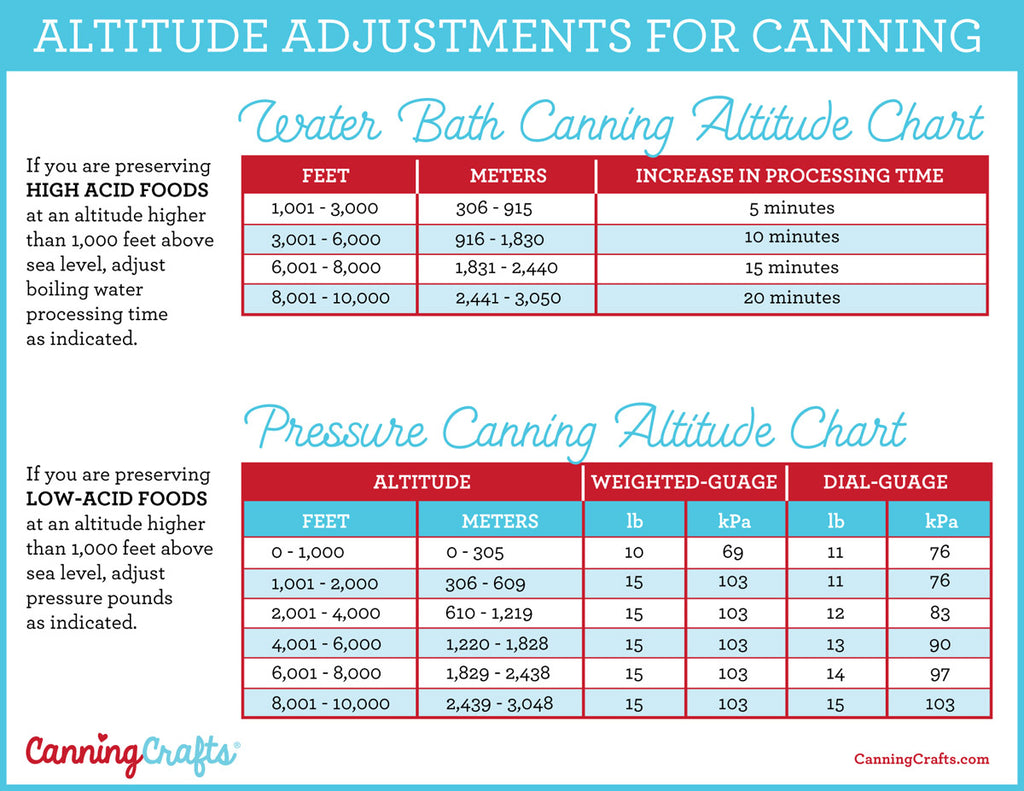
Quart jars are commonly used for these low-acid foods because they hold larger volumes of heavy ingredients like whole kernel corn or diced tomatoes with added meat. Pressure canning is the only safe method for processing these larger volumes of low-acid goods. Ensure your pressure canner is large enough to hold your quart jars with proper spacing for steam circulation, and always use a dial-gauge or weighted-gauge pressure canner calibrated for your altitude.

As an Amazon Associate, we may earn from qualifying purchases.
How to steam can quart jars safely
Steam canning is a fast, efficient way to preserve high-acid foods like fruits, pickles, and jams. Unlike water bath canning, which submerges jars, steam canning circulates hot vapor around them. This method uses less water and heats up faster, making it ideal for smaller batches. However, it is strictly limited to high-acid foods (pH 4.6 or lower) and must never be used for low-acid vegetables, meats, or poultry, which require pressure canning to prevent botulism.
Before you begin, ensure your quart jars are heat-proof and approved for canning. Standard glassware or decorative jars will shatter. You will also need a steam canner with a tight-fitting lid and a rack that keeps jars out of standing water. The process relies on consistent steam, not boiling water, so proper equipment is non-negotiable for safety.
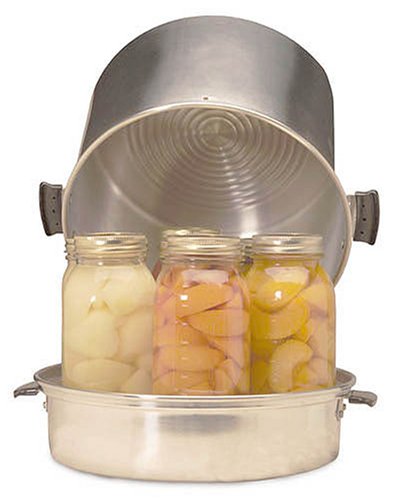
Add 2 to 3 inches of water to the bottom of the steam canner. Place the rack inside and bring the water to a boil over high heat. This pre-heating step ensures the canner reaches the correct temperature before the jars are added, which is critical for consistent heat penetration.
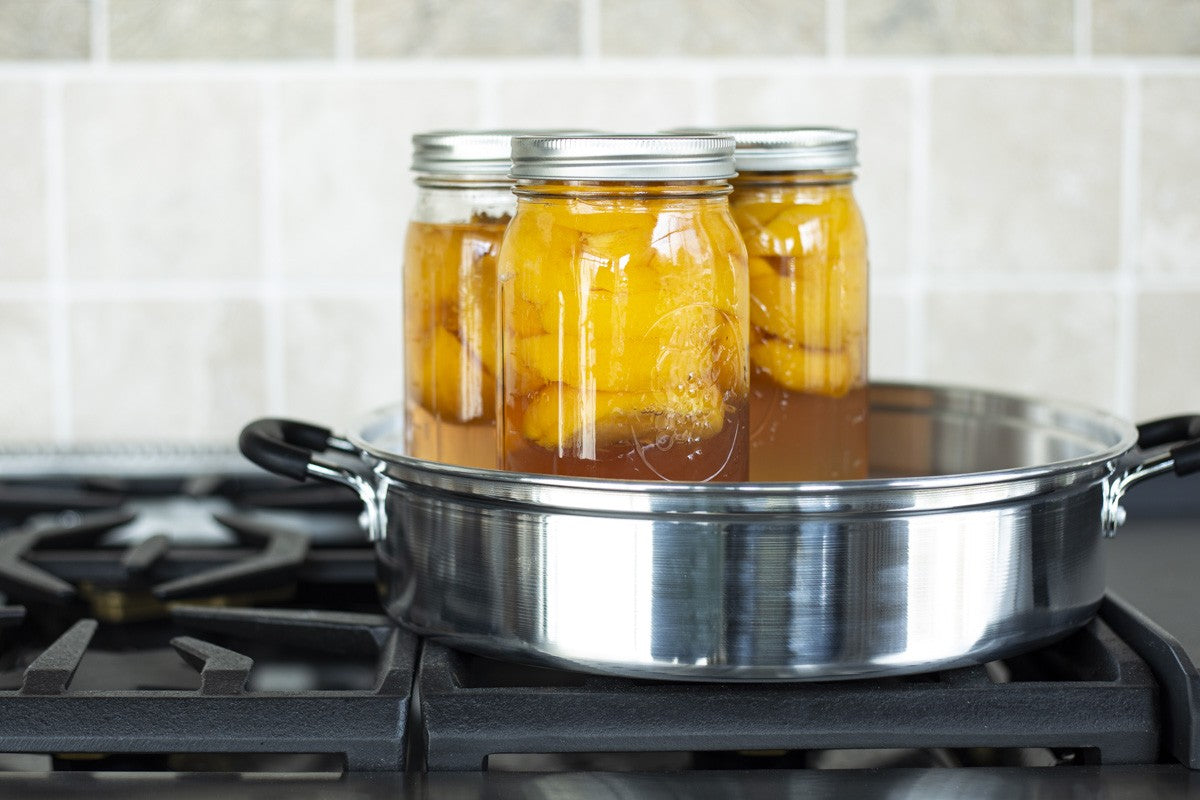
While the water heats, fill your hot quart jars with your prepared high-acid food. Leave the recommended headspace (usually 1/2 inch for fruits, 1 inch for pickles) and wipe the rims clean. Apply lids and screw bands fingertip-tight. Do not overtighten, as this can prevent air from escaping during processing.
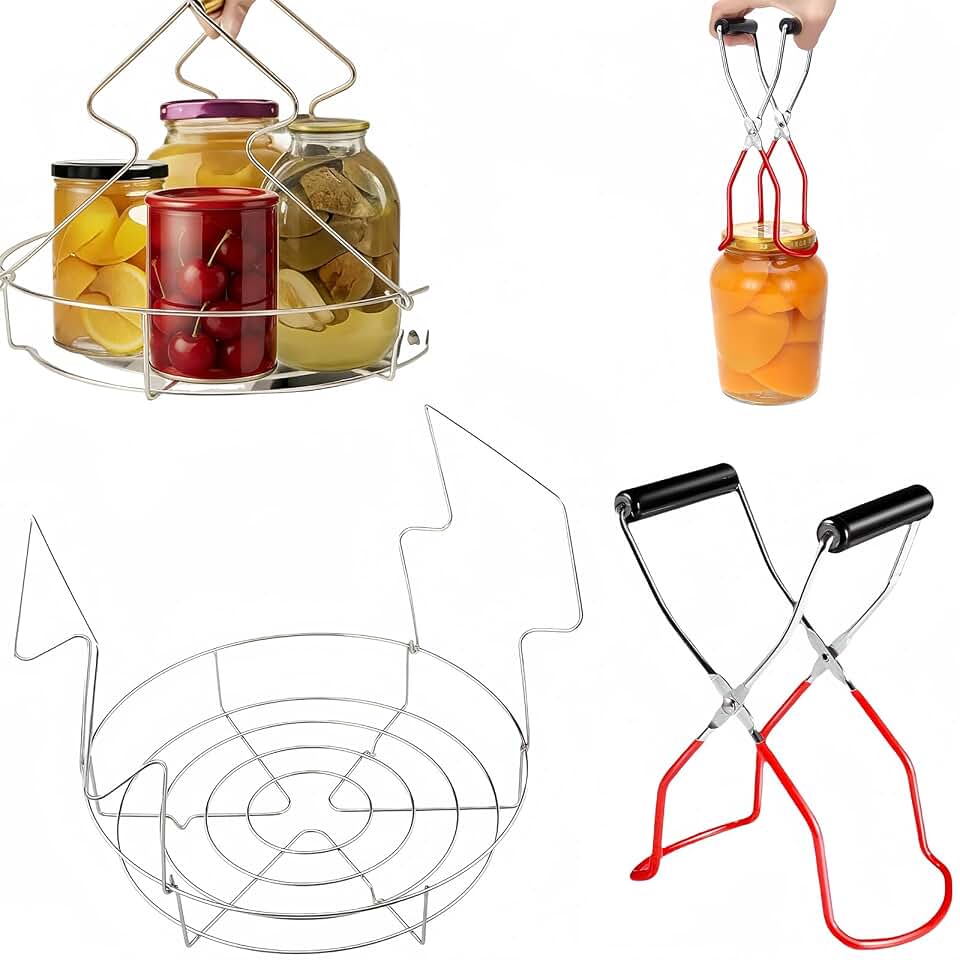
Once the water is boiling, carefully lower the filled quart jars onto the rack using a jar lifter. The jars must not touch each other or the sides of the canner. Steam needs to circulate freely around every jar to ensure even heating. If the jars are too crowded, process in smaller batches.
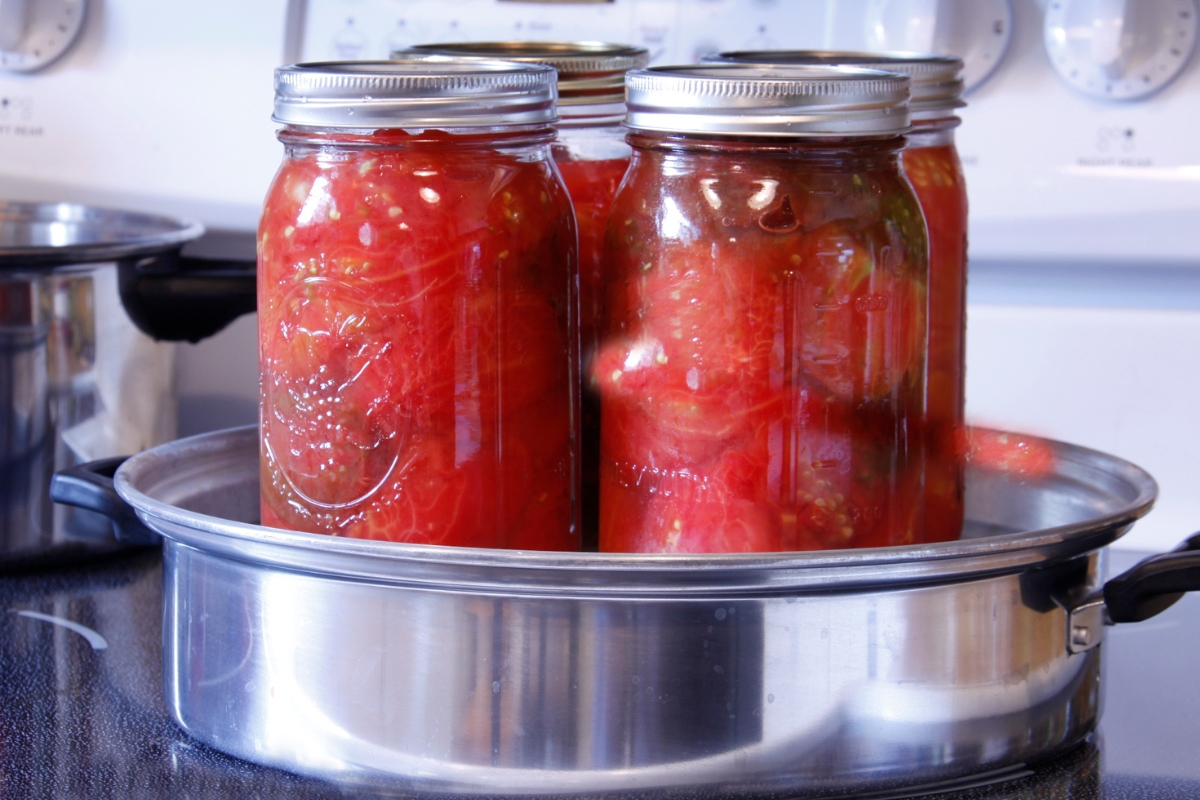
Immediately place the lid on the canner and start your timer. Processing times for quart jars of high-acid foods typically range from 45 minutes to 1 hour, depending on the recipe. Keep the heat at a level that maintains a steady, vigorous steam. If the water level drops, add boiling water from a kettle to avoid cooling the canner.
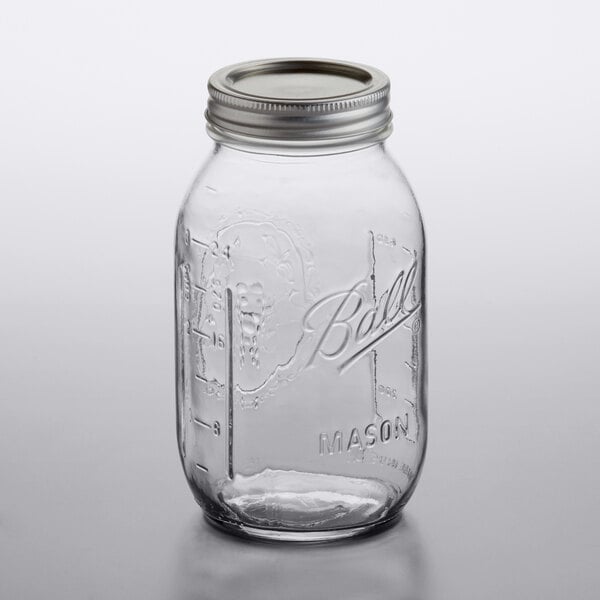
After processing, turn off the heat and let the canner sit for 5 minutes to prevent siphoning. Remove the jars and place them on a towel-lined surface to cool undisturbed for 12–24 hours. Check seals by pressing the center of each lid; it should not flex. Store sealed jars in a cool, dark place and refrigerate any unsealed jars immediately.
Steam canning is only safe for high-acid foods. Never use this method for low-acid foods like green beans, corn, or meat. These require pressure canning to reach temperatures high enough to kill botulism spores.
Quick Prep Checklist
Frequently asked questions about steam canning
Steam canning is a relatively new method compared to traditional water bath canning, so it is natural to have questions about its safety and scope. The USDA now approves steam canning for high-acid foods, provided you follow specific temperature and time guidelines.
What foods can be steam canned?
Steam canning is strictly for high-acid foods with a pH of 4.6 or lower. This includes fruits, pickles, jams, jellies, and tomato products that have been acidified. You cannot use this method for low-acid vegetables like green beans or corn, nor for meat, poultry, or seafood, which require pressure canning to reach higher temperatures.
Is steam canning better than water bath canning?
Steam canning is faster and uses less water than water bath canning. Because steam transfers heat more efficiently than boiling water, processing times are often reduced by up to 50%. It is also easier to manage the heat source since you do not need to maintain a rolling boil for the entire duration.
What are the instructions for steam canning?
You must use a dedicated steam canner with a tight-fitting lid and a rack to keep jars above the water level. Add the recommended amount of water to the base, bring it to a boil, then place filled jars inside. Process for the time specified in tested recipes, typically 45 minutes or less, and always use the hot pack method for fruits and vegetables.
What is steam canning good for?
This method is ideal for preserving large batches of high-acid foods quickly. It is particularly useful for summer harvests of berries, peaches, or pickles where you want to minimize stove heat and fuel usage. It offers the same safety profile as water bath canning for approved foods but with greater efficiency.
No comments yet. Be the first to share your thoughts!