

Steam Canner Budget: What to Expect
Steam canners are among the most affordable pieces of canning equipment you can buy, but the price gap between a budget option and a durable mid-range model is wider than you might think. The entry-level tier typically sits between $20 and $30. These are usually simple, two-piece aluminum or stainless steel units with a flat base and a domed lid. They work fine for occasional use, but the thin metal can warp over time, and the lids often lack a tight seal, leading to inconsistent steam distribution. If you plan to can cucumbers and onions in bulk, this budget tier might feel flimsy after a few seasons.
For $40 to $60, you enter the sweet spot for most home preservers. These models often feature thicker gauge stainless steel, which holds heat more evenly and resists warping. Many include a rack that keeps jars off the direct heat source, a critical feature for preventing scorching. Some also come with reusable silicone lids or tighter-fitting glass domes, which are easier to clean and more hygienic than the cheap plastic alternatives found in the lowest price bracket. This is where you get the balance of performance and longevity without paying for brand-name premiums.
Premium options above $70 often bundle accessories like extra racks, specialized lids for different jar sizes, or even digital timers. While these are nice to have, they aren't strictly necessary for safe steam canning. The core function—generating consistent steam at 212°F—is handled well by mid-range models. Spend your money on quality jars and fresh produce rather than expensive hardware. The following products represent the best value in the $30–$60 range, offering the durability needed for regular use without breaking the bank.


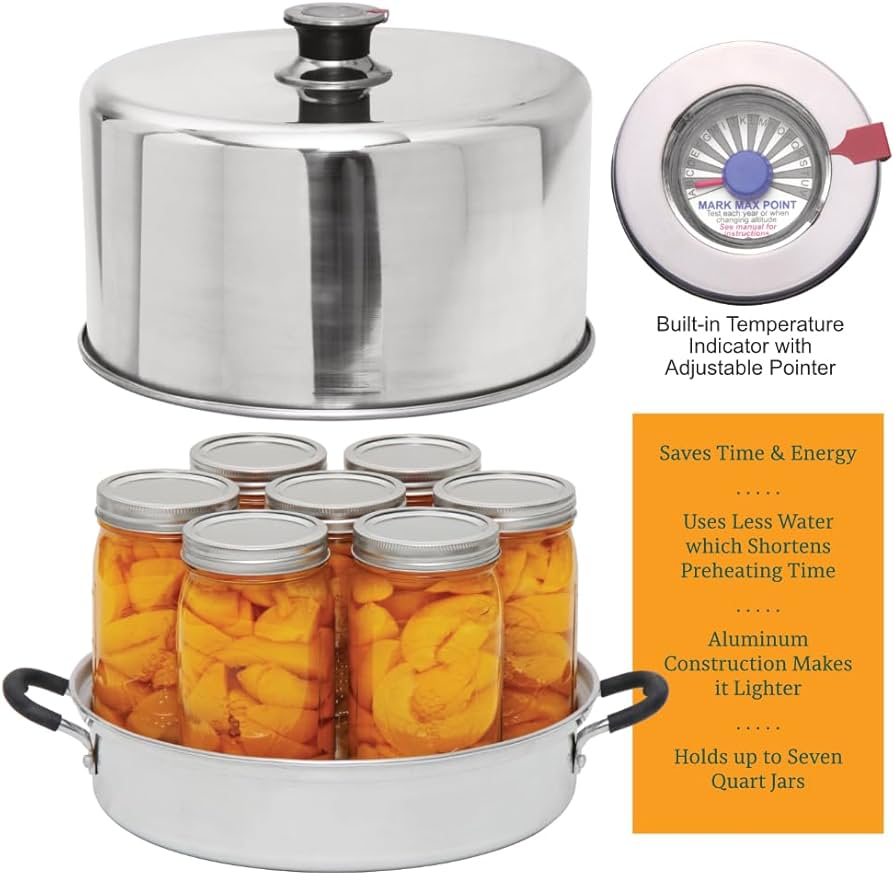
As an Amazon Associate, we may earn from qualifying purchases.
Shortlist real options
Choosing the right steam canner depends on your stove type, storage habits, and how much produce you process at once. Steam canning is a fast, efficient method for high-acid foods, but not every pot on the market delivers consistent results. We have narrowed the field to the most reliable models available, focusing on durability, capacity, and ease of use.
Steam canners use steam rather than boiling water to preserve foods. This method is safer and faster than traditional water bath canning for many high-acid items like cucumbers and onions. It also saves energy and water. The key is finding a canner that distributes heat evenly and fits your kitchen constraints.
| Model | Capacity | Material | Best For |
|---|---|---|---|
| All American Steam Canner | Up to 20 quarts | Aluminum | Large batches, camp stoves |
| Fowler Steam Canner | Up to 20 quarts | Aluminum | Even heating, durability |
| Presto Steam Canner | Up to 12 quarts | Aluminum | Small kitchens, beginners |
| Canning Joy Steam Canner | Up to 10 quarts | Stainless Steel | Modern aesthetics, easy clean |
The All American Steam Canner is a heavy-duty option built for longevity. It is made from aluminum and can handle large batches, making it ideal for serious preservers. However, its size and weight may be cumbersome for small kitchens. The Fowler Steam Canner offers similar durability with a focus on even heat distribution, which is critical for consistent results. It is also aluminum and built to last for decades.
For those with limited space, the Presto Steam Canner is a popular choice. It is smaller, lighter, and more affordable than the heavy-duty models. While it may not handle the largest batches, it is perfect for beginners or those preserving smaller quantities of cucumbers and onions. The Canning Joy Steam Canner stands out for its stainless steel construction, which resists corrosion and is easier to clean than aluminum. It is a good fit for modern kitchens where aesthetics matter.


As an Amazon Associate, we may earn from qualifying purchases.
When selecting a steam canner, consider the size of your pots and your typical batch size. Larger canners require more floor space and may not fit on all stovetops. Aluminum models are traditional and effective but require careful maintenance to prevent warping. Stainless steel options are low-maintenance but often more expensive. Regardless of the model, ensure it has a tight-fitting lid to maintain steam pressure.
Inspect the expensive parts
Steam canners are generally affordable, but a few components drive up the cost and determine whether your cucumbers or onions survive the shelf. Before you buy, check these specific areas. A $30 canner that leaks steam is worse than a $100 one that seals perfectly.
The lid should sit flush without wobbling. If it rocks, steam escapes, and the jars won’t reach the temperature needed to kill bacteria. Look for a tight seal around the rim, not just the center handle.
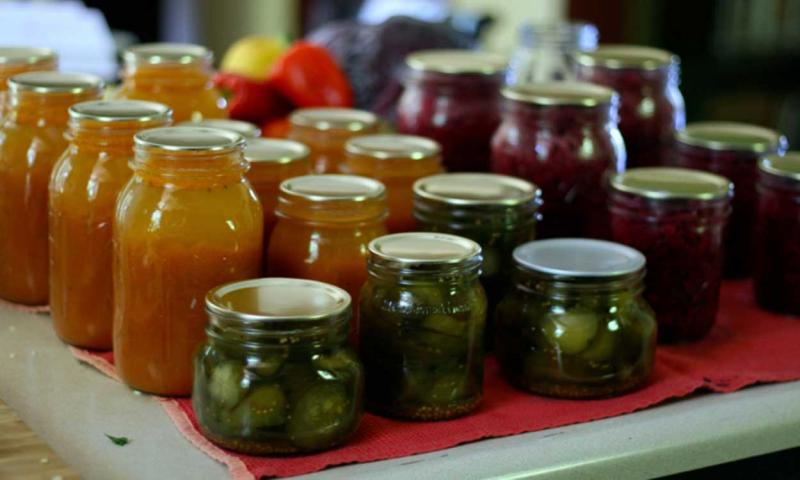
The bottom tray holds the water. If it’s too shallow, it boils dry before your cucumbers are done. If it’s too deep, it splashes onto the jars, diluting your pickling brine. Aim for the manufacturer’s fill line.
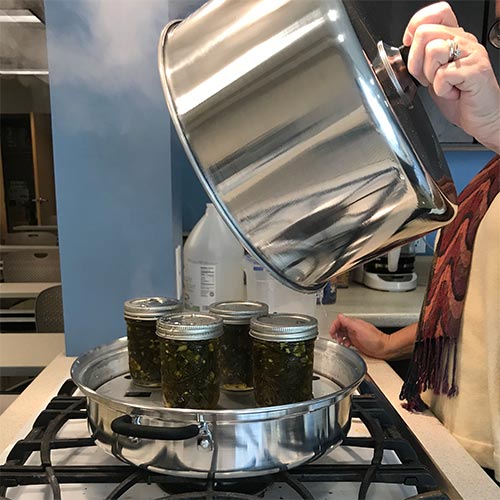
Most canners have a small tube that lets excess steam escape. Make sure it’s clear and unobstructed. A blocked tube creates pressure buildup, which can warp the lid or crack your jars.
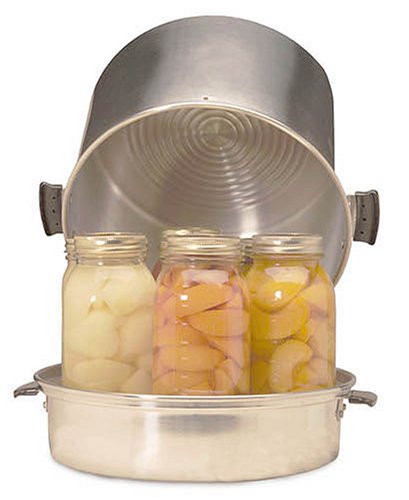
Reusable silicone or metal lids save money over time. Check if the manufacturer sells replacements. If you buy a cheap set with no spare parts, you’ll be stuck replacing the whole unit when the seal fails.
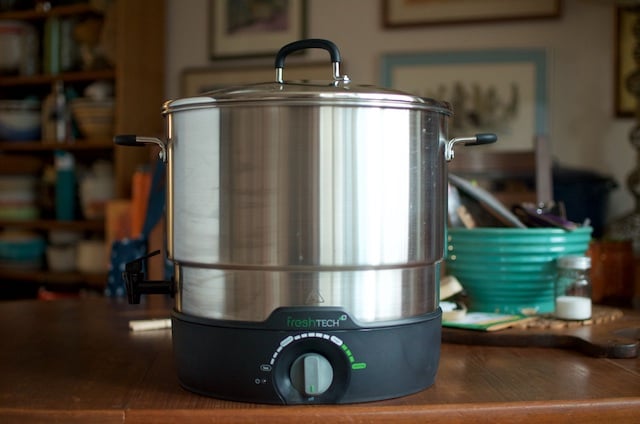
Not all steam canners fit standard pint or quart jars. Measure the interior diameter. If your jars don’t sit flat and level, steam won’t circulate evenly, leading to underprocessed food.
A little inspection now prevents spoilage later. Focus on the lid seal and water reservoir first—these are the most common failure points. If these two parts are solid, the rest of the canner is just a bonus.
Plan for ownership costs
A steam canner is a one-time purchase, but the real cost of preserving cucumbers and onions comes from the consumables and replacements that happen over time. Unlike a pressure canner, which is a heavy, permanent appliance, a steam canner is a lightweight accessory that sits on your stovetop. This convenience means you need to budget for jars, lids, and the inevitable replacement of worn parts.
The reusable lid investment
The biggest shift in ownership cost is the move away from disposable metal lids. With reusable silicone lids, you pay more upfront—typically $15 to $30 for a set of various sizes—but you never buy them again. For a household that processes two or three batches of pickles and onions a year, these lids pay for themselves within the first season. Just ensure you buy lids specifically rated for the boiling temperatures of steam canning; cheap silicone melts or leaks.
Jar and seal maintenance
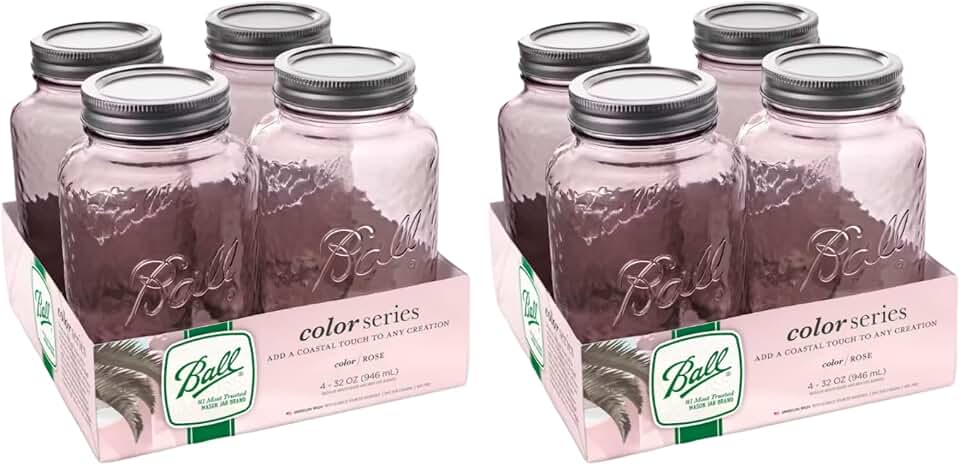
Even with reusable lids, glass jars are a recurring cost. Steam canning creates intense, dry heat that can stress older glass, leading to cracks or chips around the rim. Inspect every jar before use. A cracked jar is a safety hazard, not just a financial loss. If you use traditional two-piece metal lids with your steam canner, remember that these are single-use. You are paying for a new seal every single batch, which adds up quickly if you preserve large volumes of cucumbers.
When cheap stops being cheap
Avoid the cheapest, no-name steam canners found on discount sites. Thin aluminum bottoms warp under high heat, leading to uneven steam distribution and failed seals. A warped canner requires more energy to run and risks spoilage. Investing in a heavy-gauge, enamel-coated, or stainless steel canner from a reputable brand ensures even heating and longevity. The initial price difference is small compared to the cost of ruined jars of pickles or a new stovetop burner damaged by a warped bottom.


As an Amazon Associate, we may earn from qualifying purchases.
Steam canning: what to check next
Before you commit to a steam canner, it helps to understand where this method fits into your preserving routine. Steam canning is a safe, faster alternative to water bath canning, but it comes with specific rules regarding food acidity and processing times.
No comments yet. Be the first to share your thoughts!