

Get the ratio right
Start The Steam Canning Revolution with the constraint that matters most in real life: space, timing, budget, skill level, maintenance, or availability. That first constraint should shape the rest of the plan instead of appearing as an afterthought. Keep the first pass simple enough to verify. Compare the main options against the same criteria, remove choices that only work in ideal conditions, and save optional upgrades for later.
The simplest way to use this section is to write down the real constraint first, compare each option against it, and choose the path that still works outside ideal conditions.
Mix it in the right order
The sequence of ingredients matters more than the exact measurements. Adding cucumbers and onions to your brine incorrectly can cause uneven flavor distribution or texture issues. Follow this order to ensure your pickles stay crisp and your onions absorb the seasoning.
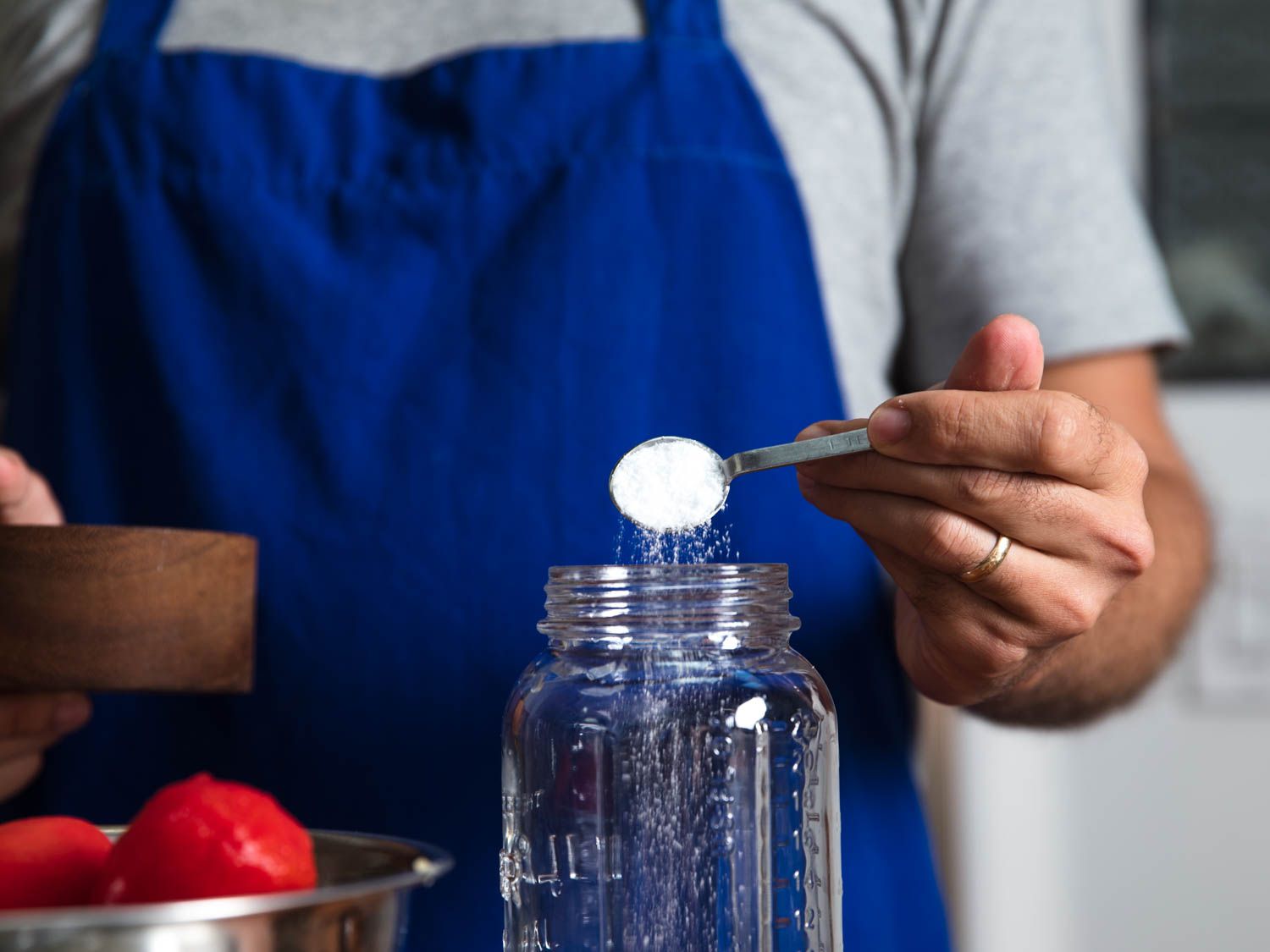
Start by placing your whole spices and aromatics into the bottom of the sterilized jar. This includes mustard seeds, dill heads, garlic cloves, and red pepper flakes. Placing these at the bottom ensures they settle around the cucumbers rather than floating to the top. This layer creates a concentrated flavor burst in every bite.
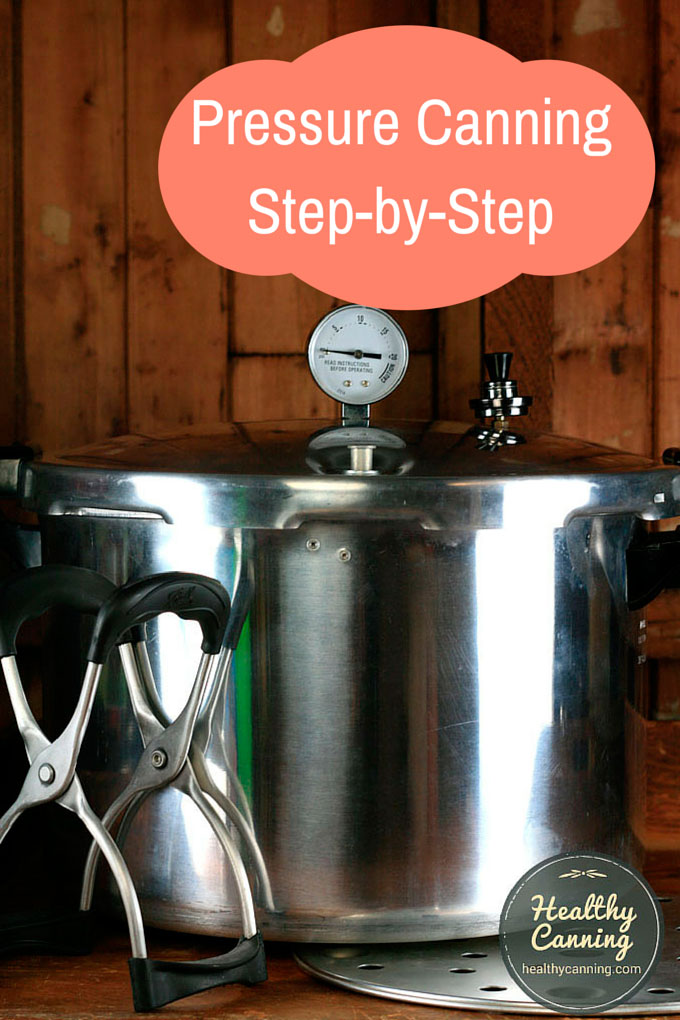
Stand your cucumbers vertically in the jar. Packing them upright keeps the brine flowing evenly around each piece. If your cucumbers are large, slice them into spears or chips before packing. Leave about half an inch of headspace at the top of the jar. Do not pack them so tightly that you cannot pour the brine through.
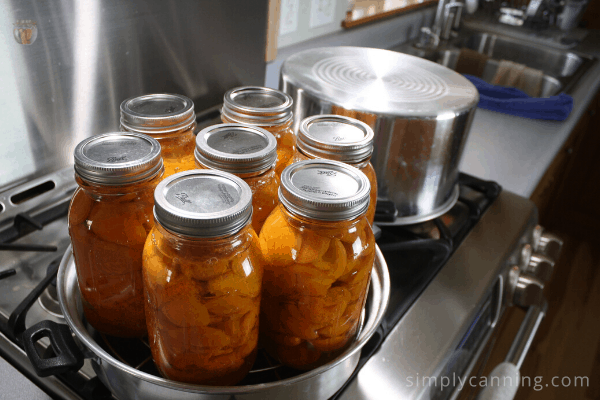
Layer your sliced onions between the cucumber pieces. Onions release moisture during the canning process, which helps dilute the brine slightly. This natural adjustment prevents the final product from being overly salty. Arrange the onion slices so they are visible between the cucumber chunks for an appealing presentation.
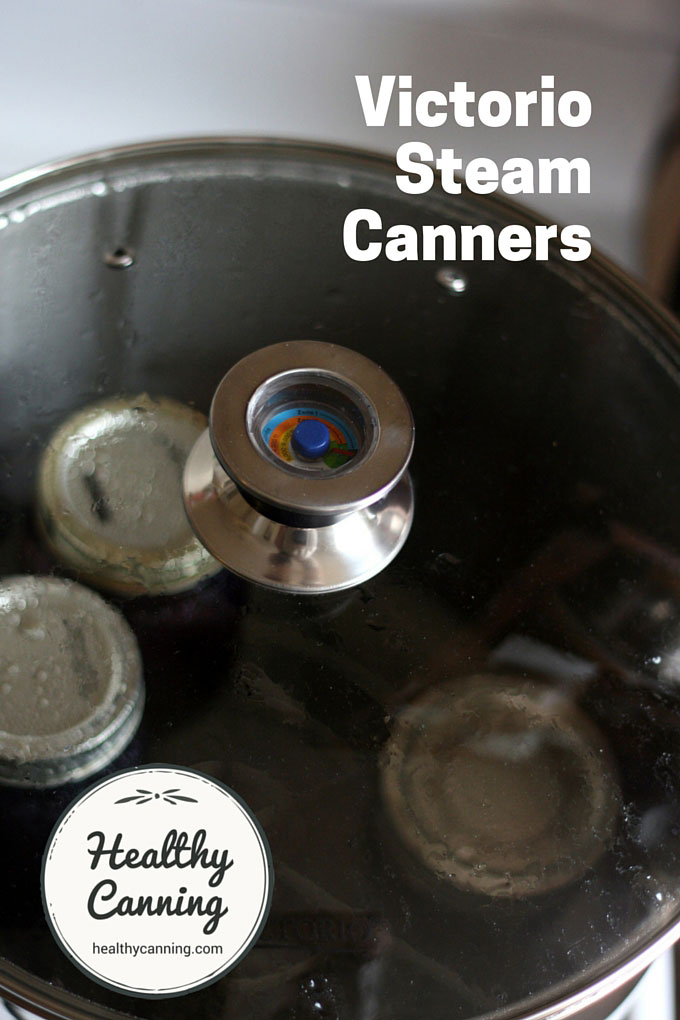
Heat your vinegar, water, salt, and sugar mixture until it reaches a rolling boil. Pour the hot brine directly over the vegetables. Use a non-metallic utensil to gently press down on the cucumbers and release any trapped air bubbles. This step is critical for preventing spoilage and ensuring the vacuum seal forms correctly during cooling.
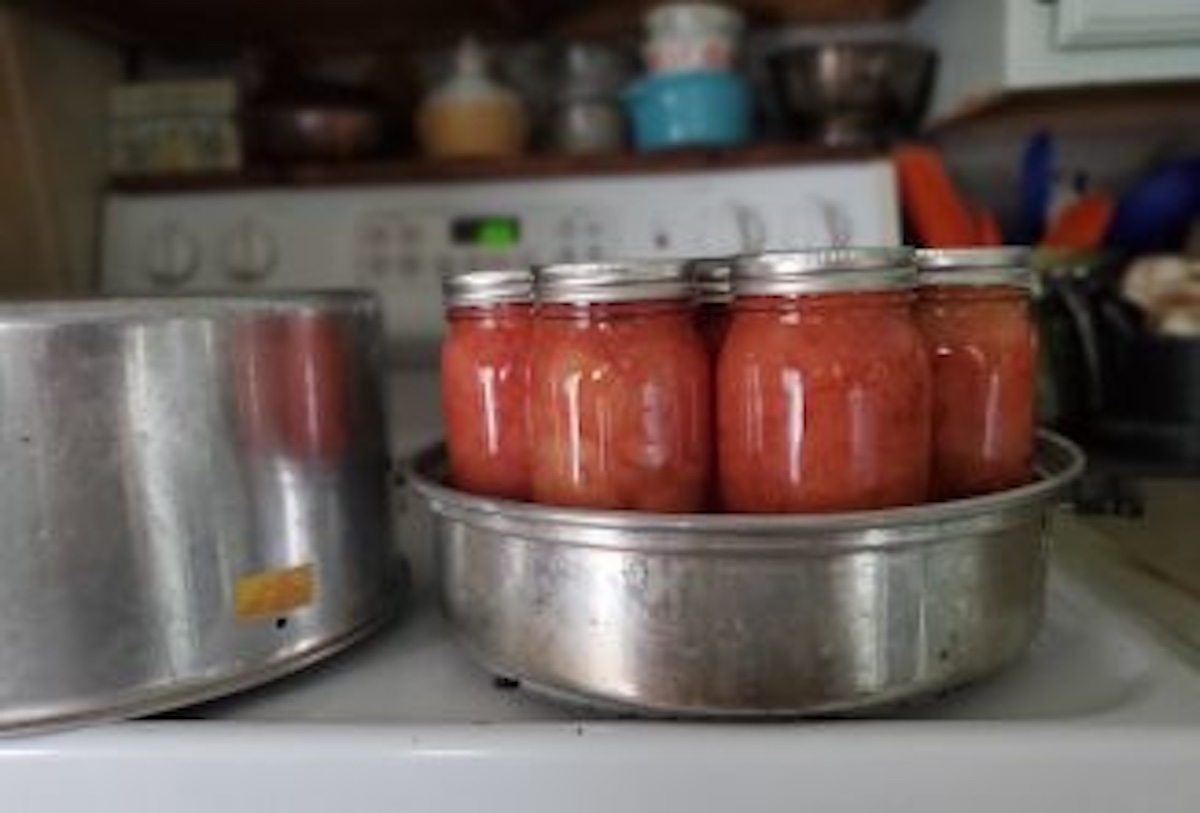
Wipe the rim of each jar with a clean, damp cloth to remove any sticky residue. Place the lid and screw on the band fingertip-tight. Over-tightening can prevent air from escaping during processing, which may cause the lid to bulge or fail to seal. Proper sealing is the most important safety step in steam canning.
Fix Bitter or Weak Flavor
The most common complaint with steam-canned cucumbers and onions is a mismatch between expectation and reality. Cucumbers can turn out mushy or bland, while onions often lose their bite and develop a sulfurous edge. These issues usually stem from three specific errors: using the wrong variety, skipping the acid adjustment, and overcooking the vegetables.
Choose the right cucumbers. Pickling cucumbers with firm flesh and thin skins are essential. Standard slicing cucumbers have high water content and thin walls, leading to a soft, watery texture that fails to crisp. Look for varieties labeled specifically for pickling, such as 'Boston' or 'National Pickling'.
Adjust the acid balance. Steam canning relies on a shorter processing time than water bath canning, which can result in a milder flavor profile. To prevent weak taste and ensure safety, use a tested recipe that specifies the correct ratio of vinegar to water. Adding tannins, such as a grape leaf or a piece of oak, can help maintain crispness and add a subtle depth to the brine.
Watch the cooking time. Onions become bitter and overly pungent if processed for too long. Steam canners heat food quickly, so even a minute too many can degrade the texture and flavor. Follow the processing times for your specific altitude and jar size exactly. If the onions seem too sharp after opening, they were likely under-processed; if they are mushy and bitter, they were over-processed.
No comments yet. Be the first to share your thoughts!