

Steam canner budget fit
Choosing a steam canner is less about finding the "best" device and more about matching the tool to your current kitchen setup. The market is split between dedicated steam canners and multi-use pressure cookers, each with distinct price points and tradeoffs. Your budget should reflect how much counter space you have and whether you want a single-purpose tool or a versatile appliance.
Dedicated steam canner lids
Dedicated steam canners are essentially heavy lids with a perforated insert that sit on top of a standard stockpot. They are the most affordable entry point, typically costing between $20 and $40. Brands like Presto and All-American offer models that fit standard 12- to 16-quart pots. The tradeoff is storage: you need a large pot to serve as the base, and the canner itself takes up shelf space. If you already own a large stockpot, this is the most budget-friendly way to start steam canning cucumbers and onions.
Multi-use pressure cookers
For those willing to spend more, an electric pressure cooker with a "steam can" function offers greater convenience. These units, often priced between $80 and $150, handle both the heating and the timing automatically. They eliminate the need to monitor water levels on a stovetop, reducing the risk of boiling dry during longer processing times. However, they are bulky and expensive. If you already have an Instant Pot or similar device, check the manufacturer's guidelines; some newer models support steam canning, while others do not. This route is ideal if you value automation over raw cost savings.
Condition and age matter
When shopping used or older models, inspect the sealing rings and the perforated insert for rust or warping. A warped lid won't seal properly against the pot, leading to steam leaks and unsafe canning conditions. Also, verify the processing time limits. Steam canners have a smaller water reservoir than water bath canners, so they are not suitable for foods requiring more than 45 minutes of processing. Always prioritize safety certifications over price when evaluating older equipment.
Shortlist real options
to Steam Canning works best as a clear sequence: define the constraint, compare the realistic options, test the tradeoff, and choose the path with the fewest hidden costs. That order keeps the advice usable instead of decorative. After each step, pause long enough to check whether the recommendation still fits the reader's actual situation. If it depends on perfect timing, unusual access, or a best-case budget, include a simpler fallback.
| Factor | What to check | Why it matters |
|---|---|---|
| Fit | Match the option to the primary use case. | A good deal still fails if it does not fit the job. |
| Condition | Verify age, wear, and service history. | Hidden condition issues erase upfront savings. |
| Cost | Compare purchase price with likely upkeep. | The cheapest option is not always the lowest-cost option. |
Inspect the expensive parts
Steam canners are generally affordable, but a failed seal ruins more than just the jar—it wastes the food inside. Before you load cucumbers or onions, check the components that actually hold the pressure. A small crack in the glass or a warped metal base can turn a quick afternoon batch into a safety hazard.
Most steam canners use a large, domed glass lid to trap heat. Inspect the interior surface for any spiderweb cracks. Even a tiny fracture can shatter under the rapid temperature changes of steam processing. If the lid feels uneven when you tap it gently, replace it immediately.
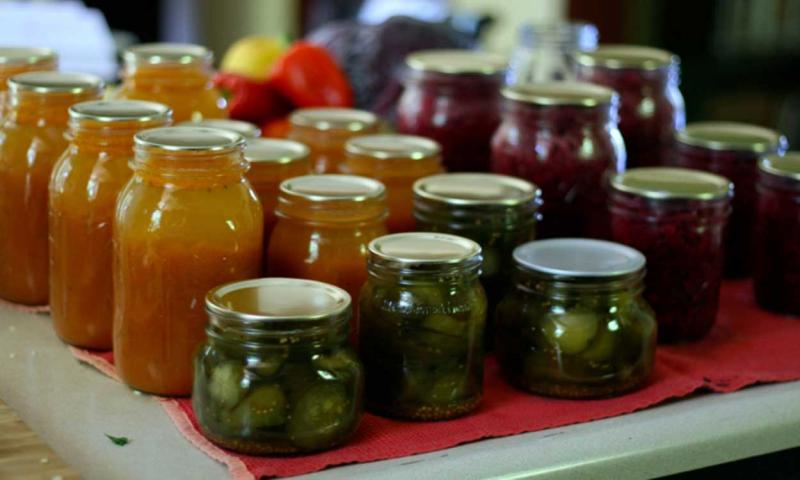
The bottom reservoir holds the water that creates steam. If the metal has warped from previous high-heat uses, it won’t sit flat on your stove, leading to uneven heating and potential boil-overs. Check for deep rust pits, especially around the rim where the lid seals, as these can cause steam leaks.
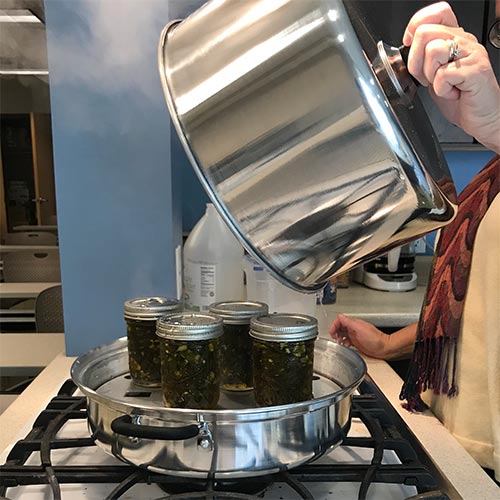
The rubber seal is the most critical part of the system. It must be flexible enough to create a tight vacuum but tough enough to withstand heat. Press it with your finger; if it feels hard, brittle, or shows visible tears, it won’t hold pressure. Replace the gasket every season to ensure a safe seal.
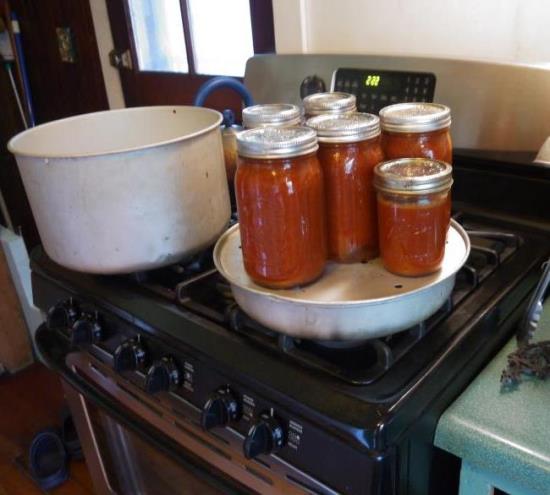
Your canner needs a way to release excess pressure or maintain a specific level. If you use a weighted gauge, ensure it sits securely on the vent tube without wobbling. If the tube is cracked or the gauge is too loose, steam will escape prematurely, shortening your processing time and risking under-processed food.
Taking five minutes to inspect these parts prevents the costly mistake of losing a full batch of pickles. A $10 replacement gasket is far cheaper than replacing every jar in your pantry.
Ownership Costs and Maintenance Surprises
Steam canning equipment spans a wide price range, from budget-friendly aluminum inserts to heavy-duty stainless steel models. While the upfront cost is often lower than buying a dedicated pressure canner, the long-term value depends heavily on material quality and durability. Cheap aluminum canners can warp over time, leading to poor steam seals and inconsistent processing results. This isn't just a minor inconvenience; it can compromise the safety of your cucumbers and onions if the steam doesn't circulate evenly.
Maintenance is another hidden cost factor. Aluminum requires regular polishing to prevent oxidation and pitting, which adds time and effort to your workflow. Stainless steel models, while more expensive initially, generally resist corrosion and retain their shape better over years of use. When evaluating a cheap buy, check the thickness of the metal and the quality of the glass lid. Thin glass is prone to thermal shock and cracking, especially if you transition from hot jars to cool counters without proper cooling periods.
Also consider the cost of replacement parts. Many steam canners use specific gaskets or seals that wear out with frequent heating and cooling cycles. If a manufacturer discontinues a model, finding compatible replacements can be difficult. It is often cheaper to invest in a robust model with available spare parts than to replace an entire unit every few years. Always check if the manufacturer offers a warranty and if replacement parts are readily available before making a purchase.


As an Amazon Associate, we may earn from qualifying purchases.
Steam canning: what to check next
Steam canning is a quick, low-water alternative to boiling-water bath canning, but it comes with specific rules. Because the method relies on a shallow water reservoir, it is only safe for high-acid foods. This includes pickled cucumbers and onions, fruits, jams, jellies, and acidified tomatoes. Always use tested recipes to ensure safety.
Steam canning is generally faster than water bath canning because the canner preheats quickly and uses less water. However, it is not universally "better." It is limited to high-acid foods and cannot process low-acid vegetables or meats, which require a pressure canner. If you are preserving non-acidic items, steam canning is not a safe option.
You cannot use a standard pressure canner as a steam canner. Pressure canners are designed to reach temperatures above 240°F for safety, while steam canners operate at 212°F. Using a pressure canner for steam canning recipes can lead to over-processing and ruined food. Conversely, using a steam canner for pressure-canning recipes is dangerous.
Steam canning is limited to processing times under 45 minutes. Because the water reservoir is shallow, longer processing times risk boiling the water dry, which can compromise the seal and safety of your jars. If a recipe requires more than 45 minutes, switch to water bath or pressure canning methods.
No comments yet. Be the first to share your thoughts!