

Steam canning basics and safety
Steam canning uses hot steam to process high-acid foods in a sealed container. Instead of submerging jars in boiling water, the jars sit on a rack above a shallow layer of water. As the water boils, the resulting steam fills the canner, surrounding the jars with intense, consistent heat. This method is often preferred for pickles and onions because it heats jars faster than a water bath and uses less water overall.
The safety of steam canning relies entirely on acidity. According to extension services from South Dakota State University and Michigan State University, you should only use this method for high-acid foods with a pH of 4.6 or lower. This category includes pickled vegetables, fruits, jams, jellies, and acidified tomatoes. The high acidity prevents the growth of Clostridium botulinum, the bacteria that causes botulism, making steam safe for these specific items.
There are also strict time limits. Because steam canners hold a small amount of water, they can boil dry if used for too long. Do not use steam canning for recipes that require processing times longer than 45 minutes. For shorter processes, such as most pickle recipes, the speed and efficiency of steam make it a strong alternative to traditional water bath canning.
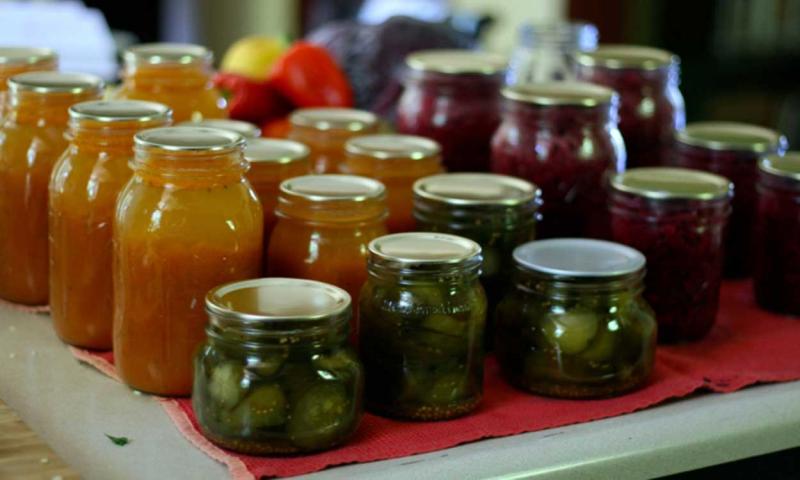
Time and energy savings of steam canning
Steam canning offers distinct advantages in speed and resource efficiency compared to traditional water bath methods. The primary benefit lies in the preheat phase. Because steam canners hold significantly less water than large pots required for water bath canning, they reach the necessary processing temperature much faster. This reduced preheat time is particularly valuable during peak harvest seasons when processing large batches of pickles and onions.
Beyond the initial wait, steam canning consumes less water and energy throughout the process. You are not heating several gallons of water to maintain a rolling boil for extended periods. Instead, the canner generates steam from a small reservoir at the bottom. This focused approach means lower utility costs and less water usage, making it a more efficient choice for high-acid foods like pickled vegetables.
These efficiency gains come with specific operational limits. Steam canners are designed for processing times of 45 minutes or less. Longer processing times risk boiling the water reservoir dry, which compromises safety and equipment integrity. Therefore, while steam canning is faster and leaner, it is strictly limited to quick-processing, high-acid items such as pickles, jams, and jellies. For longer-cook items, traditional water bath or pressure canning remains the required standard.
Comparing steam and water bath canners
Use this section to make the Steam Canning vs. Water Bath decision easier to compare in real life, not just on paper. Start with the reader's actual constraint, then separate must-have requirements from details that are merely nice to have. A practical choice should survive normal use, maintenance, timing, and budget. If a recommendation only works in an ideal situation, call that out plainly and give the reader a fallback path.
| Factor | What to check | Why it matters |
|---|---|---|
| Fit | Match the option to the primary use case. | A good deal still fails if it does not fit the job. |
| Condition | Verify age, wear, and service history. | Hidden condition issues erase upfront savings. |
| Cost | Compare purchase price with likely upkeep. | The cheapest option is not always the lowest-cost option. |
Picking cucumbers and onions for canning
Use this section to make the Steam Canning vs. Water Bath decision easier to compare in real life, not just on paper. Start with the reader's actual constraint, then separate must-have requirements from details that are merely nice to have. A practical choice should survive normal use, maintenance, timing, and budget. If a recommendation only works in an ideal situation, call that out plainly and give the reader a fallback path.
The simplest way to use this section is to write down the must-have criteria first, then compare each option against those criteria before weighing nice-to-have features.
When to Choose Steam Over Water Bath
Steam canning shines as the superior method for small batches and quick turnaround times. Because steam canners require significantly less water than large pots, they heat up much faster, allowing you to start processing pickles or onions in minutes rather than waiting for a full pot to reach a rolling boil. This speed makes steam canning ideal for preserving small harvests or satisfying immediate cravings without the long wait times associated with traditional water bath methods.
The primary limitation of steam canning is processing time. You should strictly choose steam canning only for recipes that require 45 minutes or less of processing. If your pickle or onion recipe calls for longer processing times, the water reservoir in the steam canner risks boiling dry, which compromises safety and can damage the equipment. For these longer processes, water bath canning remains the necessary and safer choice.
Additionally, steam canning is limited to high-acid foods with a pH of 4.6 or lower. This includes pickled vegetables, fruits, jams, and jellies. If you are canning low-acid foods or attempting pressure canning for safety, steam canning is not an option. For high-acid pickles and onions in small to medium batches, however, steam canning offers a faster, more energy-efficient alternative to the traditional water bath method.

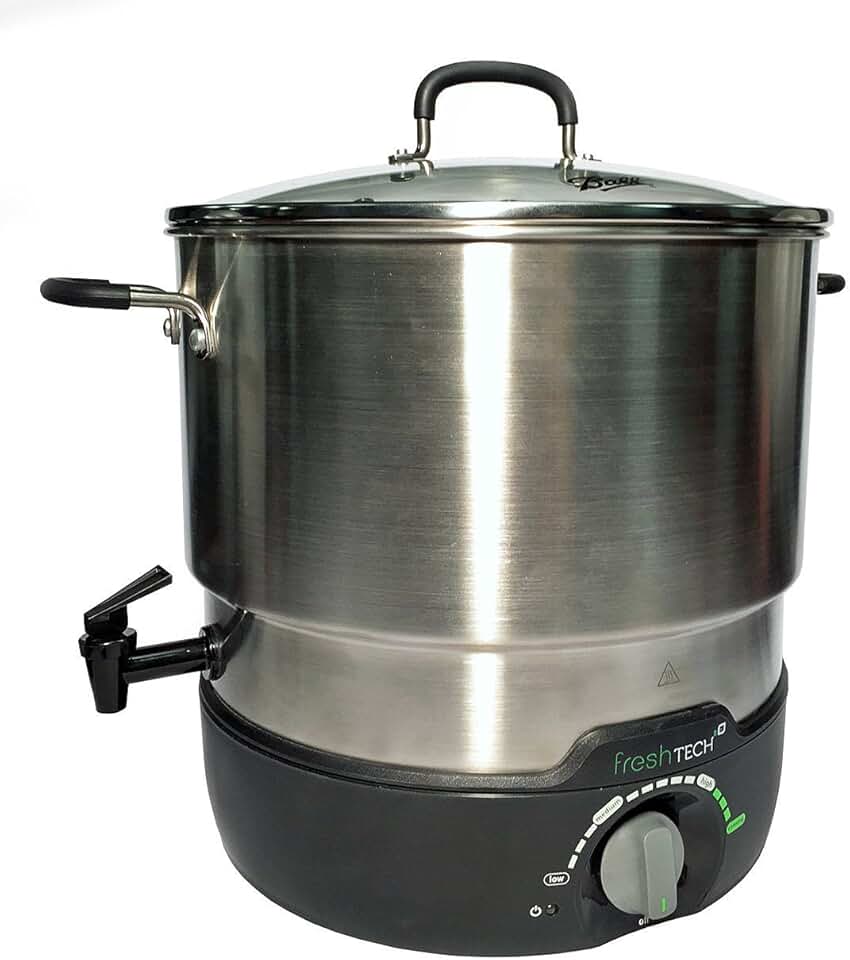
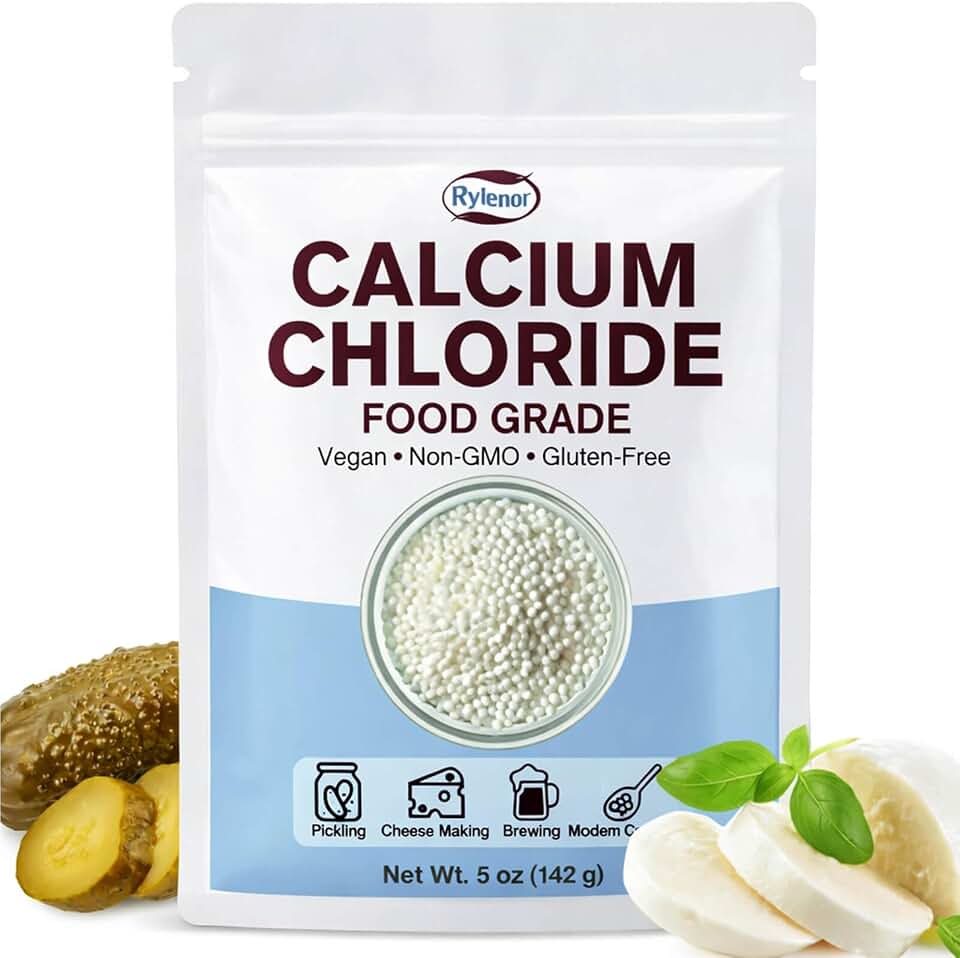
As an Amazon Associate, we may earn from qualifying purchases.
Common steam canning: what to check next
Steam canning is a safe, efficient method for preserving high-acid foods, but it comes with specific limitations that differ from traditional water bath canning. Understanding these boundaries ensures your pickles and onions remain safe for long-term storage.
What foods can be steam canned?
Steam canning is strictly limited to high-acid foods with a pH of 4.6 or lower. This includes fruits, jams, jellies, acidified tomatoes, and pickled products like your pickles and onions. You cannot safely use steam canning for low-acid vegetables, meats, or poultry, which require pressure canning to prevent botulism. Always follow recipes tested specifically for steam canning to ensure the correct acid balance.
Is steam canning better than water bath canning?
Steam canning is often preferred for its speed and water efficiency. It uses significantly less water than a water bath canner and heats up faster, reducing overall processing time. However, "better" depends on your needs. Water bath canning is more versatile for larger jars and longer processing times, while steam canning is ideal for quick, small-batch high-acid preserves.
How long does steam canning last?
You should not attempt to steam can foods that require processing times longer than 45 minutes. Because steam canners have a smaller water reservoir in the bottom, extended processing risks boiling the water dry, which can lead to unsafe results or damage the canner. If a recipe requires more than 45 minutes, you must use a water bath or pressure canner instead.
What is steam canning good for?
Steam canning is excellent for beginners and those with limited water supply or stove space. It is particularly effective for pickles, salsa, jams, and fruit preserves. The method provides consistent heat penetration for high-acid items, making it a reliable choice for seasonal harvests of fruits and vegetables that have been properly acidified.
No comments yet. Be the first to share your thoughts!