

The cause of cloudy brine
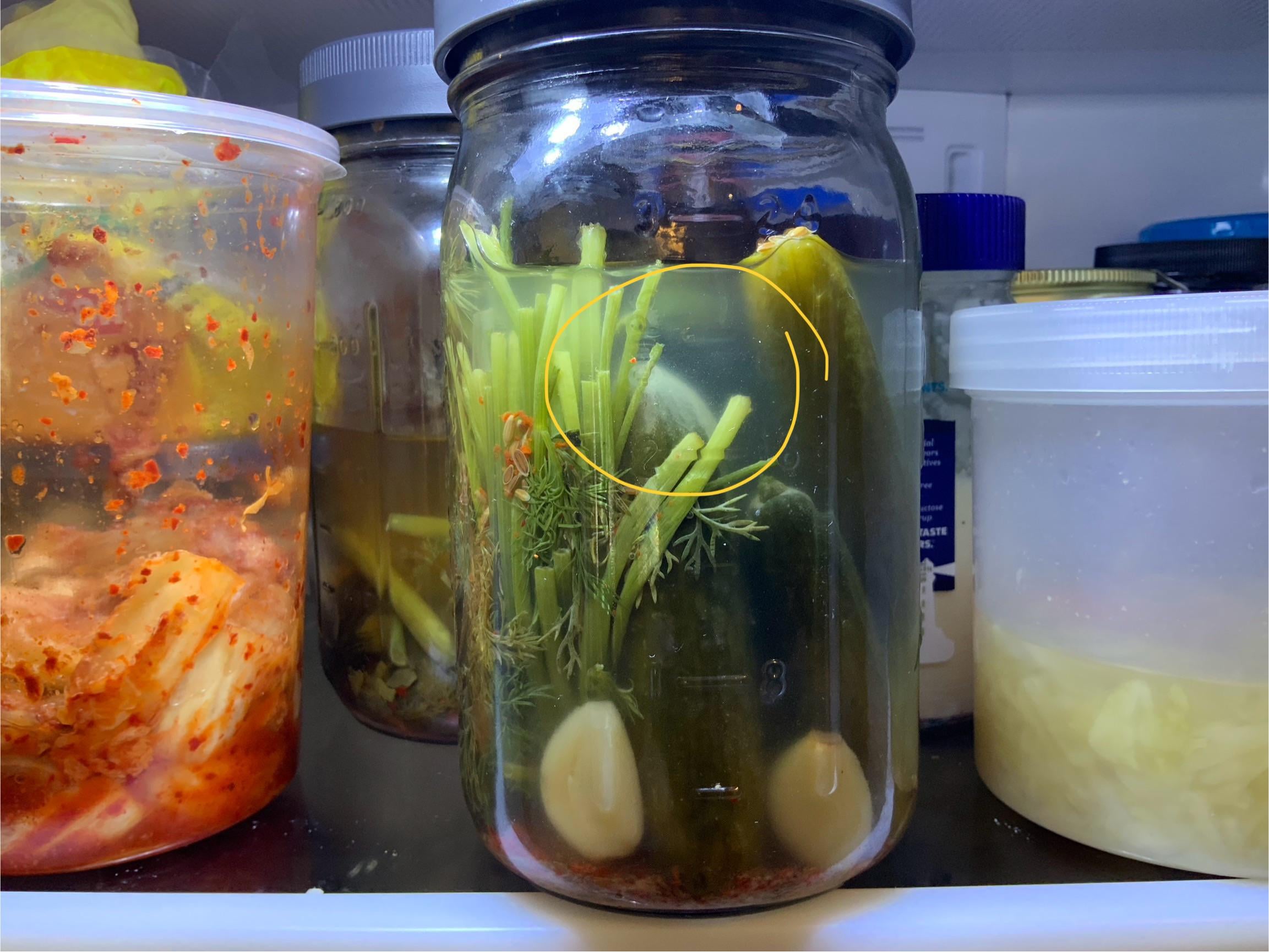
Let’s be honest, there’s something deeply disappointing about opening a jar of homemade pickles and finding the brine is cloudy. You put in the effort, followed a recipe, and hoped for that satisfying crunch and bright, clear pickle. It’s a common frustration, but thankfully, it’s usually a cosmetic issue, not a safety one. That white film? It’s often calcium chloride reacting with the acids present in your pickling brine.
This film is usually harmless. While it looks unappealing, the pickles are safe to eat as long as they were processed correctly. I prefer a clear jar because it shows off the texture of the cucumbers, which is what most of us are after when we spend a Saturday canning.
Cloudiness is preventable if you adjust your water and prep. You don't have to change your recipe's flavor profile to get a better-looking result.
How water minerals affect clarity
Hard water is the most common cause of cloudy jars. Minerals like calcium and magnesium react with the acids in the brine to create a white precipitate. It doesn't change the crunch, but it makes the liquid look muddy.
Consider your water source. Well water often contains higher mineral levels than city water, although city water can vary depending on the treatment processes used. If you’re unsure about your water quality, it’s best to test it. You can purchase home water testing kits or contact your local water authority for a report.
The most effective solution is to use distilled water or filtered water for your brine. Distilled water has had nearly all of its minerals removed, eliminating the source of the cloudiness. Filtered water, particularly if it uses a reverse osmosis system, can also significantly reduce mineral content. Boiling your water can help, as some minerals will precipitate out, but it’s not a foolproof method and doesn’t remove everything.
I’ve experimented with both distilled and filtered water, and the difference in clarity is noticeable, especially when using cucumbers prone to cloudiness. While it adds a small step to the process, the resulting pickles are well worth the effort.
Water Source Comparison for Pickle Clarity
| Water Source | Mineral Content | Cost | Convenience | Impact on Pickle Clarity |
|---|---|---|---|---|
| City Water | Medium to High | Generally Low | Very Convenient | Potentially Negative (can contribute to film if high in calcium/magnesium) |
| Well Water | Low to High (varies greatly) | Low (after initial well cost) | Convenient (if well maintained) | Variable - dependent on mineral content; can be positive, neutral, or negative |
| Distilled Water | Very Low | Moderate to High | Moderate (requires purchase) | Positive - minimizes film formation due to lack of minerals |
| Filtered Water (Carbon Filter) | Low to Medium | Moderate | Convenient | Neutral to Slightly Positive - reduces some minerals, but doesn't eliminate them entirely |
| Filtered Water (Reverse Osmosis) | Very Low | High | Moderate (requires system) | Positive - Similar to distilled water in reducing mineral content |
| Spring Water | Low to Medium | Moderate | Convenient | Neutral - Mineral content can vary, impacting clarity |
Illustrative comparison based on the article research brief. Verify current pricing, limits, and product details in the official docs before relying on it.
Peeling for better results
Cucumber skins contribute to the cloudiness of pickles, primarily because of the pectin they contain. Pectin is a natural substance found in plant cell walls, and it can create a haze in the brine. The more skin you leave on, the more pectin is released. Reducing the amount of skin is a surprisingly effective step.
I recommend peeling your cucumbers entirely, or at least partially peeling them, leaving strips of skin on for visual appeal if you prefer. Even partial peeling helps reduce the amount of pectin in the brine. Smaller cucumbers, with thinner skins, tend to be less problematic than larger, thicker-skinned varieties.
English cucumbers, also known as seedless cucumbers, are a good choice for pickling. They have thinner skins and fewer seeds, resulting in a clearer brine. While the NCHFP doesn’t specifically recommend one variety over another, my experience, and that of many other canners I’ve spoken with, points to English cucumbers as being consistently clearer when pickled. Kirby cucumbers are also popular, but benefit from thorough peeling.
Vinegar and salt ratios
The vinegar-to-water ratio keeps the jars safe and clear. Vinegar provides the acidity that stops bacterial growth and prevents mineral buildup. If you skimp on vinegar, the environment isn't acidic enough to keep those minerals dissolved.
The National Center for Home Food Preservation (NCHFP) recommends a 5:1 ratio of liquid to cucumbers by volume for dill pickles. This liquid should be a combination of vinegar and water. Specifically, they suggest using a 5% acidity vinegar – that’s standard white distilled vinegar – and ensuring the final brine has at least 2.5% acidity. Using a lower acidity vinegar isn't recommended.
Salt plays a crucial role in both preserving the pickles and contributing to clarity. It helps to draw out moisture from the cucumbers, creating a firmer texture, and it also helps to inhibit the growth of undesirable microorganisms. Using pickling salt, which doesn’t contain iodine, is best. Iodine can darken pickles and contribute to cloudiness.
Always refer to the NCHFP's guidelines for specific ratios and processing times. Their quick fresh-pack dill pickle recipe (available on their website) is a reliable starting point. Following these recommendations carefully will significantly increase your chances of achieving clear, crisp pickles.
No comments yet. Be the first to share your thoughts!