

The canning resurgence
I remember my grandmother’s kitchen smelling of simmering tomatoes every August. Canning felt like a chore then, something older generations did. But lately, there's been a real resurgence, and it's not just about nostalgia. People are thinking more about where their food comes from, and they want control over ingredients and preservatives. This has led to a renewed interest in home preservation, and with it, a revisiting of established methods.
Water bath canning is the standard for high-acid foods, but steam canning is catching up. I've seen more people asking if steam is actually safe or if it keeps vitamins intact better than a full boil. The shift in 2026 is less about following old rules and more about finding which method actually leaves the most on the table.
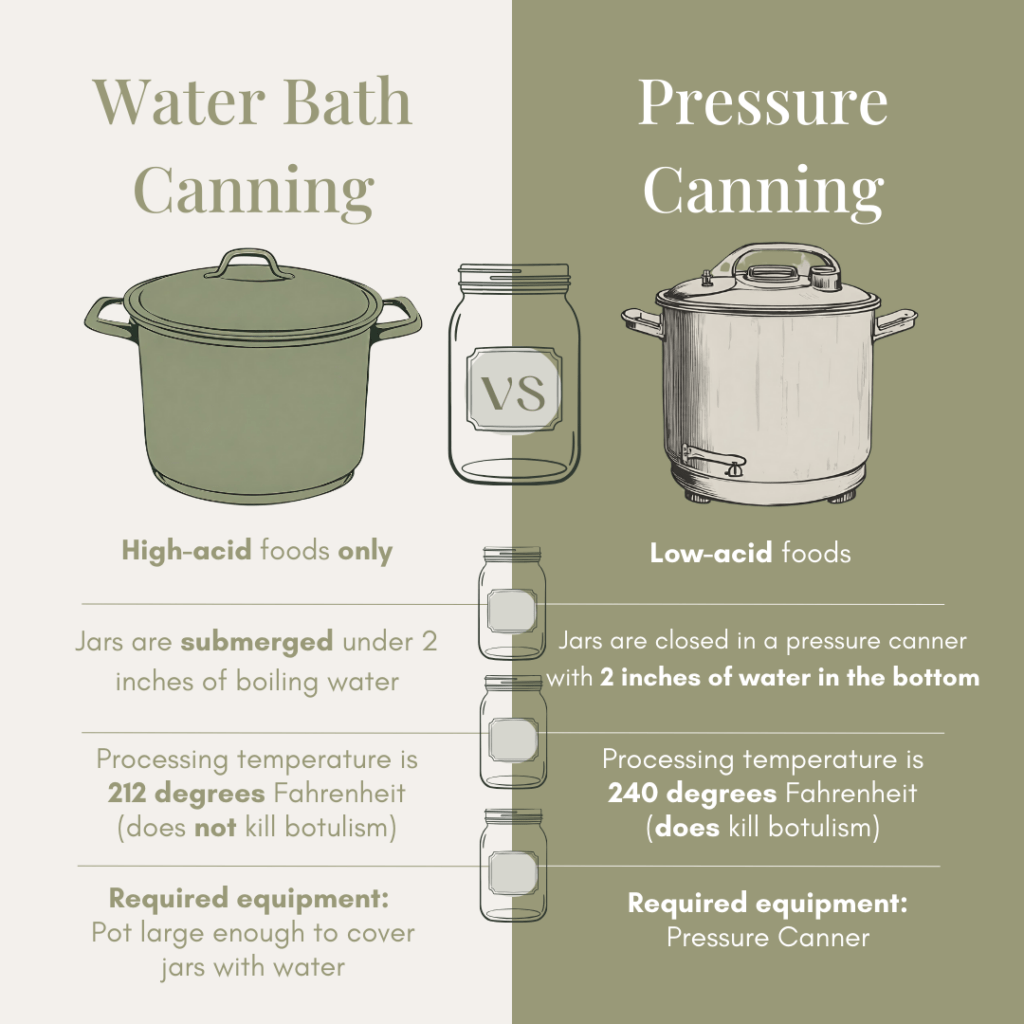
How water bath canning works
Water bath canning is what most people picture when they think of preserving jams, jellies, pickles, and fruits. It's a process where jars filled with food are submerged in boiling water for a specific amount of time, determined by the recipe and altitude. This heat creates a vacuum seal, preventing spoilage. It’s a relatively simple method, and has been considered safe and effective for generations.
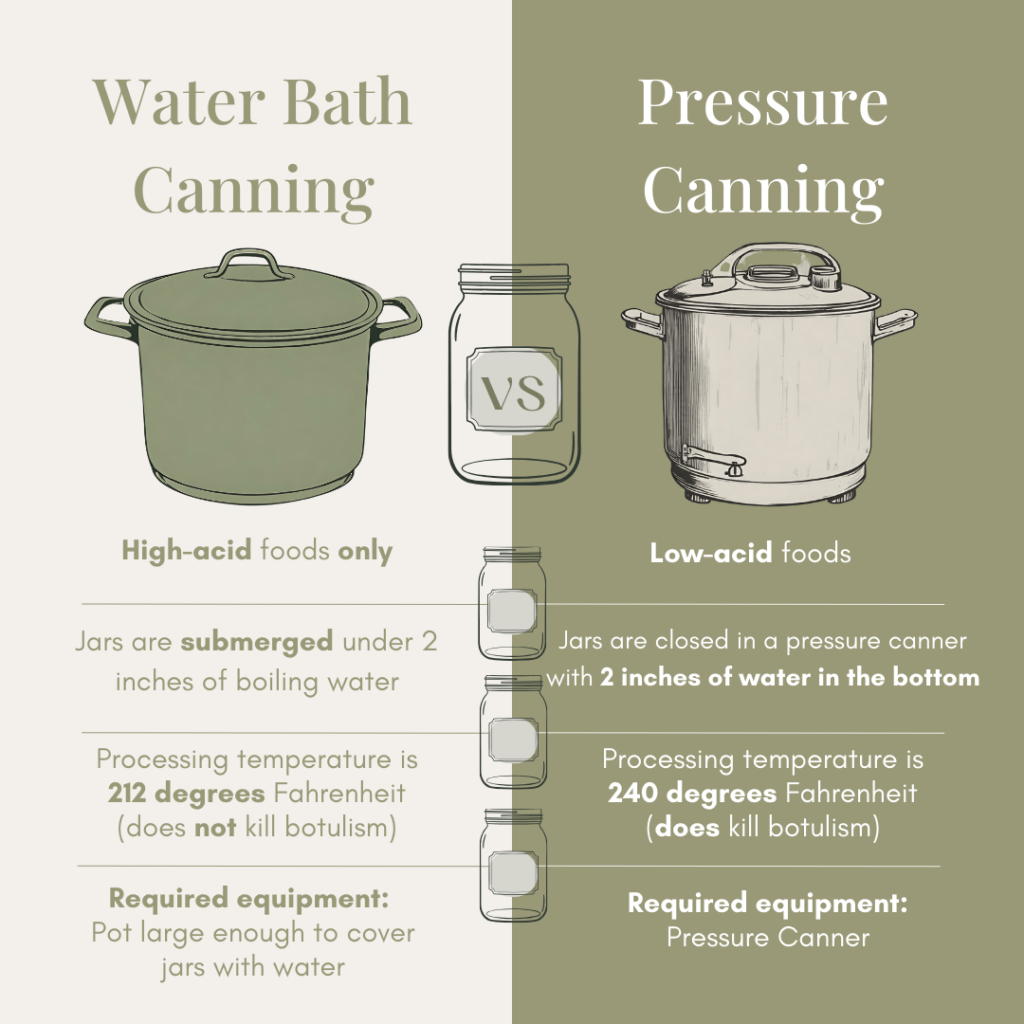
The science behind it is all about heat penetration. The boiling water needs to reach a temperature of 212°F (100°C) to effectively kill yeasts, molds, and bacteria that could cause food to spoil. Creating that airtight seal is crucial, and that’s why proper jar preparation and headspace are so important. Incorrect headspace can lead to seal failures, and improperly sanitized jars can lead to contamination.
Common mistakes with water bath canning include not processing for the correct amount of time, using the wrong type of jar or lid, and failing to adjust processing times for altitude. Always use jars specifically designed for canning – Ball and Kerr are reliable brands. And remember, altitude significantly impacts boiling point, so adjustments are essential. Resources like the National Center for Home Food Preservation provide detailed altitude adjustment charts.
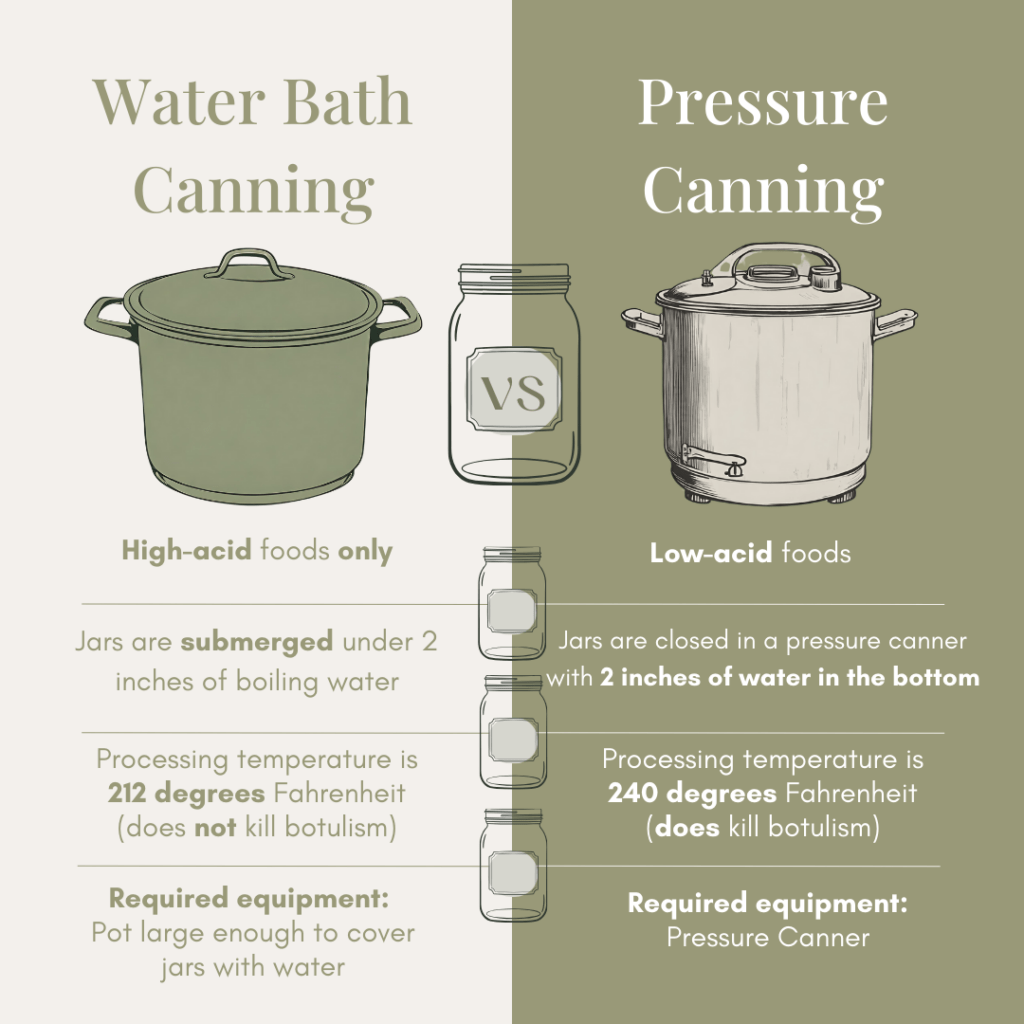
Water bath canning only works for high-acid foods. If the pH is 4.6 or lower—think fruits, pickles, and jams—botulism spores can't grow. For vegetables and meats, you have to use a pressure canner to get the heat high enough to stay safe.
The case for steam canning
Steam canning utilizes steam, rather than boiling water, to process jars. The process takes place in a specialized canner – a shallow pan with a domed lid – where a small amount of water is heated to create a constant flow of steam. It’s a surprisingly efficient method, using significantly less water than traditional water bath canning.
The mechanics are different, too. Instead of immersing the jars in water, the steam circulates around them, transferring heat. The USDA and the National Center for Home Food Preservation have approved steam canning as a safe alternative to water bath canning, as noted by Michigan Fresh (canr.msu.edu). This approval came after considerable research and testing.
Steam canners typically work with standard regular-mouth jars and lids. Wide-mouth jars may not always be compatible, so checking the canner’s specifications is crucial. There’s been some debate about whether all lid types work equally well in steam canners, but most manufacturers state that standard canning lids are appropriate. It’s a common misconception that steam canning is a "new’ method; it’s been around for a while, but hasn"t always been widely adopted.
Some people initially felt hesitant about steam canning, fearing it wouldn't generate enough consistent heat. However, the design of modern steam canners, with their tight-fitting lids, ensures a stable and even temperature throughout the processing time.
What happens to nutrients
Any method of heat processing – whether it’s boiling, steaming, or canning – will inevitably cause some nutrient loss. Vitamins, particularly water-soluble ones like Vitamin C and B vitamins, are sensitive to heat and can degrade during processing. Minerals, on the other hand, are generally more stable. The extent of nutrient loss depends on several factors, including the temperature, processing time, and the specific nutrient.
Water bath canning can leach nutrients. Water-soluble vitamins often bleed out of the food and into the surrounding liquid during the boil. Steam canning uses very little water, so there is less opportunity for those vitamins to wash away.
However, the difference in nutrient loss between the two methods isn't fully understood. Some research suggests that the shorter processing times sometimes achievable with steam canning might help preserve certain vitamins. But other studies indicate that the heat transfer dynamics of steam versus water could have different effects on different nutrients. It's a complex issue with no clear-cut answer.
I'm not sure about definitive answers on which method is superior for nutrient retention. More research is needed to compare the impact of each method on a wider range of nutrients and food types. Factors like the initial nutrient content of the food itself, the ripeness at harvest, and the storage conditions after canning also play a significant role. It's not just about the canning method; it's about the entire process from farm to jar.
- Vitamin C breaks down quickly when exposed to high heat or water.
- B Vitamins: Also sensitive to heat and water-soluble.
- Vitamin A: More stable than Vitamin C, but still affected by heat.
- Minerals: Generally more stable during canning.
Nutrient Preservation Comparison: Steam Canning vs. Water Bath Canning
| Factor | Water Bath Canning | Steam Canning | Explanation |
|---|---|---|---|
| Water Contact | High | Low | Water bath canning fully submerges food in water, potentially leading to water-soluble vitamin loss. Steam canning minimizes direct water contact. |
| Heat Exposure Time | Medium | Medium | Both methods require processing for a specified time to ensure safety. Heat exposure time is largely dictated by recipe and food acidity, not the canning method itself. |
| Potential for Leaching | High | Low | Due to full submersion, water bath canning has a greater potential for nutrients to leach out of the food and into the canning liquid. Steam canning reduces this risk. |
| Suitability for Delicate Foods | Medium | High | Delicate fruits and vegetables may become mushy in a water bath due to prolonged water contact and agitation. Steam canning offers a gentler process, better preserving texture and potentially nutrients. |
| Vitamin C Retention | Lower | Potentially Higher | Water-soluble vitamins like Vitamin C are susceptible to loss during heating and through leaching. Steam canning's reduced water contact *may* contribute to better retention, though this is also dependent on processing time and food type. |
| Mineral Retention | Medium | Medium | Minerals are generally more stable during canning than water-soluble vitamins. Both methods are expected to retain minerals reasonably well, with slight advantages potentially to steam canning due to reduced leaching. |
Illustrative comparison based on the article research brief. Verify current pricing, limits, and product details in the official docs before relying on it.
Beyond Nutrients: Flavor and Texture
Nutrient preservation isn’t the only factor that matters to home canners. Flavor and texture are also incredibly important. Many canners report that steam canning results in a brighter, fresher flavor in their preserves, particularly with fruits. This might be due to the reduced leaching of flavor compounds into the canning liquid.
Texture can also be affected. Some believe that steam canning helps maintain a firmer texture in certain fruits and vegetables, preventing them from becoming overly soft during processing. Others haven’t noticed a significant difference. It's often a matter of personal preference and the specific food being canned.
For example, tomatoes canned using the steam method sometimes retain a slightly brighter color and a more vibrant flavor. Pickles, too, are often reported to have a crisper texture when steam canned. But these are subjective observations, and individual results can vary depending on the recipe and ingredients used.
Steam Canners & Water Bath Canners: Our Top Picks
If you’re considering trying steam canning or upgrading your water bath setup, here are a few well-regarded options currently available. Prices can vary, so I’m providing approximate ranges as of late 2026.
For steam canning, the Victorio Steam Canner (around $80-$120) is a popular choice. It’s compatible with regular-mouth jars and features a clear dome lid for easy monitoring. It’s also relatively lightweight and easy to clean. Another good option is the Norpro Steam Canner (around $60-$90), which is known for its durability and efficient steam production.
On the water bath canning side, the Ball FreshTech Electric Water Bath Canner (around $150-$200) is a convenient option, especially for beginners. It automatically maintains the correct temperature and features a built-in timer. For a more traditional approach, the Granite Ware Enamel Water Bath Canner (around $40-$60) is a reliable and affordable choice. It’s made of heavy-gauge aluminum with an enamel coating and is suitable for all stovetops.
- The Victorio Steam Canner costs between $80 and $120 and works with regular-mouth jars.
- Norpro Steam Canner: $60-$90, durable, efficient steam production.
- Ball FreshTech Electric Water Bath Canner: $150-$200, automatic temperature control, built-in timer.
- Granite Ware Enamel Water Bath Canner: $40-$60, reliable, affordable, suitable for all stovetops.
Featured Products

23-quart capacity · Can be used as a pressure cooker or water-bath canner · Durable aluminum construction
This pressure canner provides a high-temperature cooking environment that can help preserve more nutrients during the canning process.

21.5-quart water bath canner · Includes jar rack, blancher, and colander · Comes with a 5-piece canning tool set
While a water bath canner, this kit offers a comprehensive set for various food preservation tasks, with the understanding that steam canning may offer superior nutrient retention.

21-quart electric water bath canner · Automated temperature control · Can also function as a multicooker and steamer
This electric water bath canner offers precise temperature control, which is beneficial for consistent results, though steam canning is generally favored for nutrient preservation.

20-quart stainless steel pot · Suitable for both water bath and steam canning · Compatible with all stovetops, including induction
This versatile pot allows for steam canning, a method known for its potential to retain more nutrients compared to traditional water bath canning.

10.5-quart capacity pressure cooker/canner · Metal-to-metal sealing system for durability · Suitable for various stovetop types
As a pressure canner, this model operates at higher temperatures, which can lead to better nutrient retention than lower-temperature water bath methods.
As an Amazon Associate I earn from qualifying purchases. Prices may vary.
Featured Products
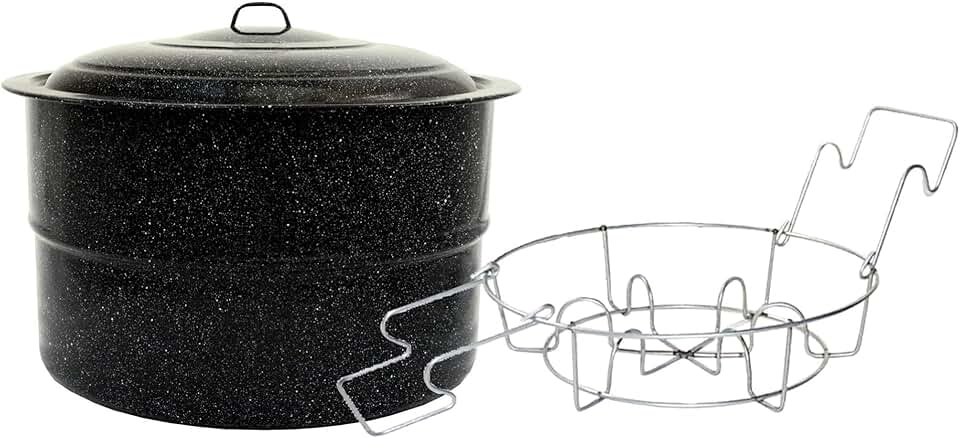
33-quart capacity · Durable enamel steel construction · Includes collapsible jar rack
This large-capacity water bath canner is a reliable and durable option for home canning, suitable for various stovetops.
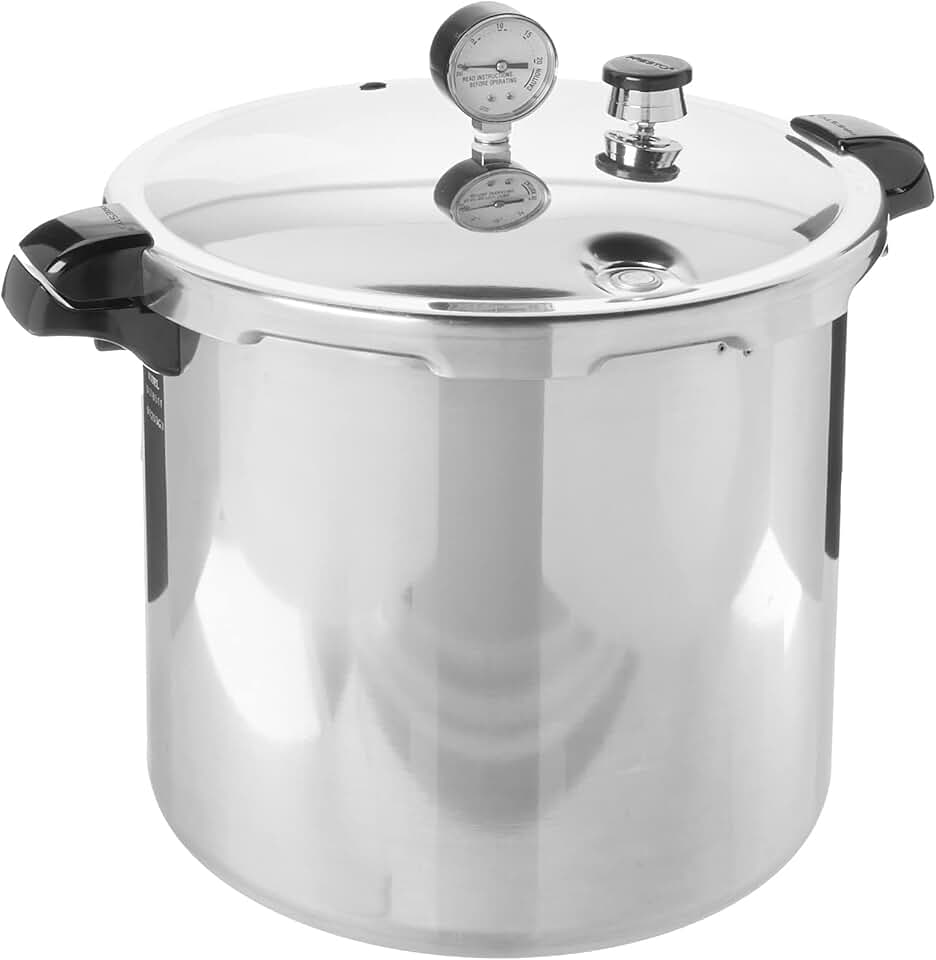
23-quart capacity · Induction compatible · Pressure canning functionality
This pressure canner is designed for efficient food preservation and is compatible with induction cooktops, offering a different preservation method.
21-quart capacity · Electric water bath canner · Automated heating
This electric water bath canner offers automated heating and versatile functionality, simplifying the canning process.

Reusable canning lids · Combo pack includes regular and wide mouth lids · Includes rubber rings
These reusable canning lids offer an eco-friendly option for home canners, compatible with standard canning jars.
As an Amazon Associate I earn from qualifying purchases. Prices may vary.
No comments yet. Be the first to share your thoughts!