

Why steam canning saves time
Steam canning is a quick and simple method of preserving produce using steam. While steam canning was previously not an evidence-based practice, recent research from institutions like South Dakota State University has validated it as a safe, efficient alternative to traditional water bath canning. For home preservers looking to process cucumbers and onions, this method offers a significant advantage in speed and energy efficiency.
Steam canning processes jars 30-50% faster than water bath canning. Instead of filling a large pot with water and waiting for it to reach a rolling boil, you simply fill the bottom of the canner with a small amount of water. The steam generated heats the jars quickly, reducing the total processing time for foods that meet the high-acid requirement. This speed is particularly beneficial when you have a large harvest of cucumbers or onions that need to be preserved before they lose their crispness or flavor.
Only high acid foods (pH of 4.6 or lower) can be processed safely in steam canners. These include fruits, jams, jellies, some tomato products, pickled products, and other fruit preserves. Cucumbers (pickles) and onions (pickled onions) fall squarely into this category, making them ideal candidates for this method. By using a steam canner, you can preserve these items safely while enjoying the convenience of a shorter processing window and less water usage.
How steam canning works safely
Steam canning uses atmospheric steam to heat jars, making it a safe and efficient method for high-acid foods. This technique relies on the fact that bacteria like Clostridium botulinum cannot survive in environments with a pH of 4.6 or lower. Because pickled cucumbers and onions are naturally acidic or have vinegar added to reach that threshold, steam canners provide the necessary heat processing without the need for submersion in boiling water.
For decades, home canners were told to stick exclusively to water bath canners due to historical safety guidelines. However, recent research from university extension services has validated atmospheric steam canning as equally safe for high-acid preserves. The steam surrounds the jar, transferring heat efficiently to the contents, which often reduces processing time compared to traditional water bath methods while still ensuring commercial sterility for safe long-term storage.
It is critical to understand that steam canners are not a universal solution. They are strictly for high-acid foods such as fruits, jams, jellies, pickles, and salsa. Low-acid vegetables like plain green beans or asparagus require pressure canning to reach the higher temperatures needed to destroy botulism spores. Using a steam canner for low-acid foods is dangerous and can lead to serious foodborne illness. Always follow up-to-date, research-tested recipes from trusted sources like university extensions when using a steam canner.
Best all-around steam canner
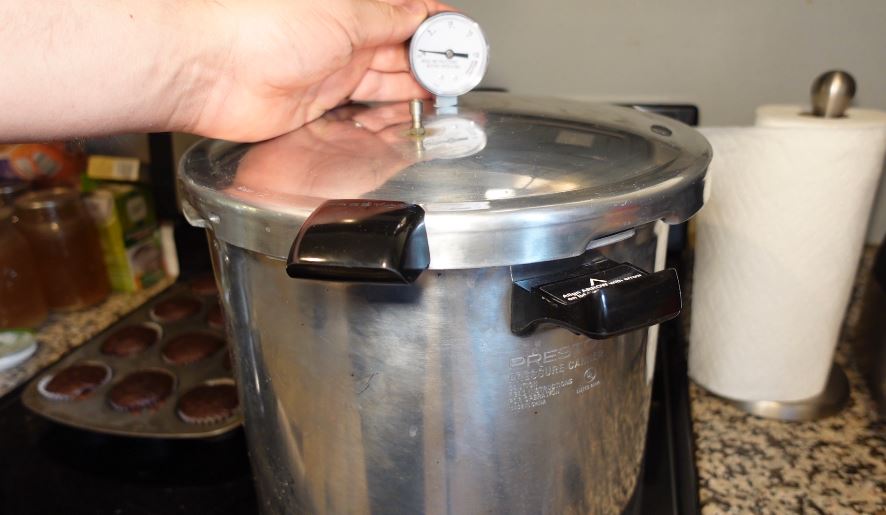
The Presto Steam Canner is the most versatile choice for home canners who want to preserve cucumbers and onions without the bulk of a traditional water bath setup. It uses the heat of steam to process filled jars, which significantly reduces water usage and shortens processing time compared to submerging jars in boiling water. This efficiency makes it ideal for handling multiple batches of pickles in a single afternoon.
Safety is the primary concern when choosing a canner, and this model is designed specifically for high-acid foods with a pH of 4.6 or below. This includes most fruits, jams, jellies, pickled products, and salsa. According to research from university extension services, steam canning is a safe and evidence-based method for these acidic items, but it is not suitable for low-acid vegetables or meats that require pressure canning. Always use up-to-date, research-tested recipes to ensure your preserves are safe for shelf storage.
The unit features a clear lid that allows you to monitor the steam flow and the condition of your jars without releasing heat. Its sturdy aluminum construction is durable and lightweight, making it easy to move around the kitchen. The base is designed to hold multiple pint or half-pint jars securely, preventing them from tipping during the vigorous boiling process required to generate consistent steam.


As an Amazon Associate, we may earn from qualifying purchases.
Best compact steam canner
If you live in a small apartment or have limited stove space, a compact steam canner is the right tool. These units are significantly lighter than traditional water bath canners, making them easier to lift and store. The trade-off is batch size: you will process fewer jars at once, which is perfect for single-person households or small families who want to preserve cucumbers and onions without a massive kitchen overhaul.
The design relies on a shallow base that holds a small amount of water, generating steam to process high-acid foods. This method is faster than boiling water bath canning because the steam heats the jars more efficiently. However, safety remains the priority. Steam canning is only safe for high-acid foods with a pH of 4.6 or lower, such as fruits, jams, pickles, and salsa. Always use research-tested recipes to ensure safety.
For those who prioritize ease of use, the lightweight nature of these canners is a major benefit. One user noted on Reddit that steam canners make the process much easier, especially for those with physical limitations, because they require less water and are lighter to handle. While large batches can be challenging, the convenience of quick processing and easy cleanup often outweighs the need for volume.


As an Amazon Associate, we may earn from qualifying purchases.
Choosing the right size for pickles
Selecting the correct steam canner size hinges on your typical batch volume. If you process two to four jars of cucumbers or onions at a time, a compact unit saves stove space and reduces water usage. Larger batches require a wider base to ensure steam circulates evenly around every jar, which is critical for safe preservation.
The goal is to match the canner’s capacity to your harvest rhythm without overcrowding. Steam must surround each jar completely to reach the necessary temperature. If jars touch or sit too close to the walls, processing times may be insufficient, leaving your pickles vulnerable to spoilage.
Review the specifications below to compare the footprint and jar capacity of the top-rated models. This comparison helps you balance kitchen real estate with your annual canning goals.
| Model | Jar Capacity | Weight (lbs) | Price Range |
|---|---|---|---|
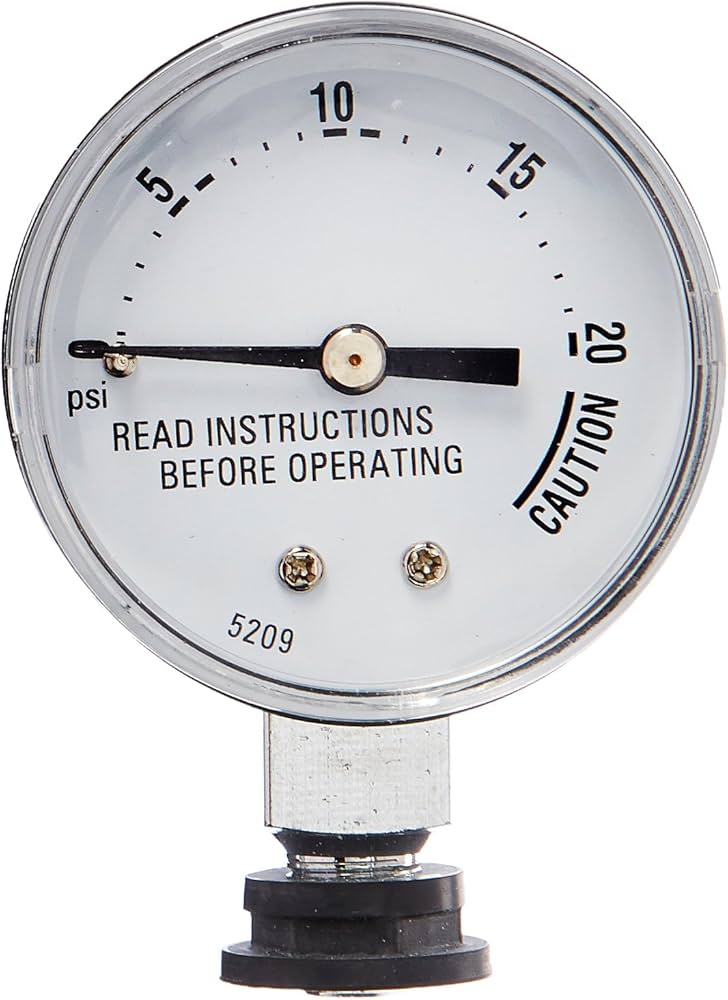
| Presto 81103 21-Quart | 7 pint jars | 11 | $40–$50 |
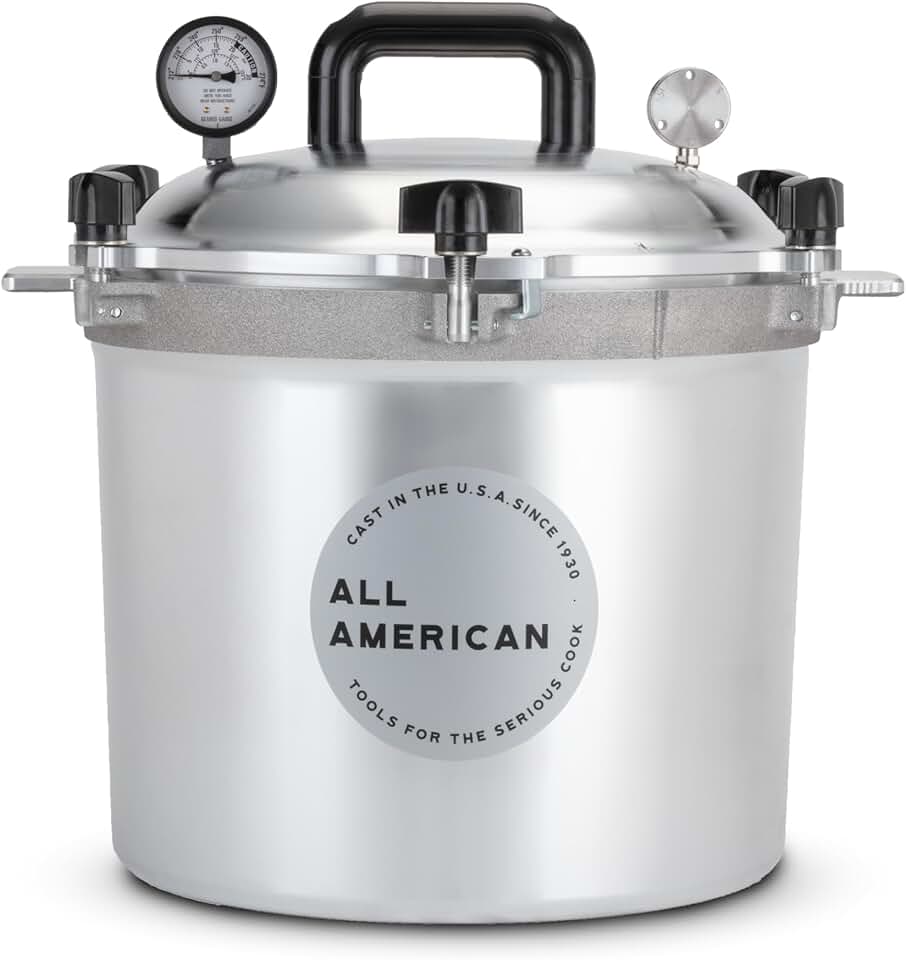
| All American 921 | 7 pint jars | 19 | $200–$220 |
| Tattler Steam Canner | 6 pint jars | 5 | $60–$70 |
For most home canners, a 21-quart model offers the best balance. It holds enough jars for a weekend of pickling without becoming unwieldy on standard stovetops. If you have limited storage or only can occasionally, the lighter Tattler model is easier to handle and store.

As an Amazon Associate, we may earn from qualifying purchases.
Steam canning safety checklist
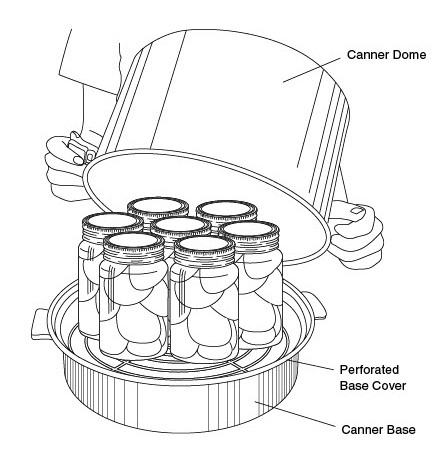
Steam canning is a fast method for high-acid foods, but it requires strict adherence to safety protocols. Unlike boiling water baths, steam canners rely on consistent heat penetration, making proper setup and monitoring non-negotiable for safe preservation.
Only process foods with a pH of 4.6 or lower, such as pickles, fruits, and jams. Always follow up-to-date, research-tested recipes from reliable sources like university extensions to ensure proper acidity and processing times.
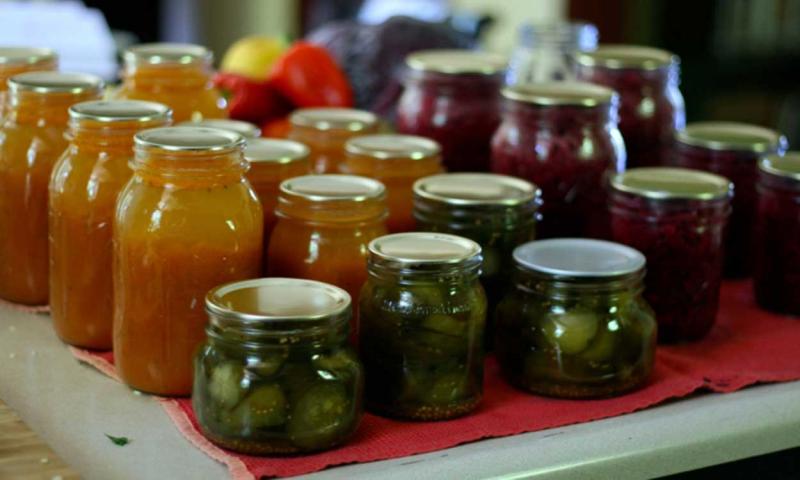
Check the reservoir before every batch. Steam canners require a specific amount of water to generate sufficient pressure; running dry can damage the canner and result in unsafe processing. Refill with boiling water between batches to maintain temperature.
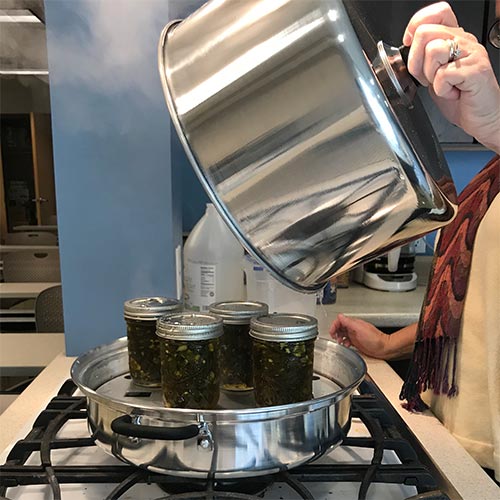
Process for the exact time specified in your recipe. After processing, let jars cool undisturbed for 12–24 hours. Check that each lid has sealed by pressing the center; if it pops, refrigerate the food and use it quickly.
What is steam canning good for?
Steam canning is a quick and simple method of preserving produce using steam, but it has a strict boundary: it is only safe for high-acid foods with a pH of 4.6 or lower [1]. This limitation means it cannot replace pressure canning for low-acid vegetables like green beans or carrots, which require higher temperatures to destroy botulism spores.
Instead, steam canners excel at preserving the bright flavors and textures of acidic items. You can safely process fruits, jams, jellies, and other fruit preserves. It is also the ideal tool for pickled products, including cucumbers and onions, as well as some tomato products where sufficient acidity has been added.
No comments yet. Be the first to share your thoughts!