
Quart jars in 2026: what's changing?
The world of home canning is experiencing a bit of a renaissance, and it’s changing the demand for supplies like quart canning jars. We’ve all seen the headlines about supply chain disruptions over the past few years, and that absolutely impacted jar availability and prices. It wasn’t that long ago that finding a simple case of jars felt like a small victory!
Thankfully, things are stabilizing, but the increased interest in canning isn’t going away. More people are realizing the benefits of preserving their own food – everything from controlling ingredients and reducing food waste to simply enjoying the taste of home-canned goods. Concerns about food security are also playing a role, driving even more people to learn these traditional skills.
Looking ahead to 2026, I expect demand to remain strong, which will influence pricing. We're also seeing manufacturers innovate with different jar styles and materials, though the classic glass quart jar will likely remain the standard. This guide will help you understand what to expect for quart canning jar prices and where to find the best deals.
2026 price breakdown: major brands
Predicting exact prices two years out is always tricky, but we can make some informed estimates based on current trends and information from manufacturers. Ball is, of course, a dominant player in the canning jar market. In 2026, I project a single Ball quart regular mouth jar to cost between $1.25 and $1.75. A case of 12 will likely range from $18 to $24.
Kerr jars are another popular choice, and typically price very similarly to Ball. You can anticipate a similar range – around $1.20 to $1.65 per jar individually, and $17 to $23 for a case of 12. Wide-mouth jars from both Ball and Kerr generally add about $0.15 to $0.25 per jar, so expect to pay around $1.40 - $2.00 individually and $20 - $26 per case.
Mason jars, while a more general term, also refers to a common brand. Their pricing is usually competitive with Ball and Kerr. However, you might find slightly more variation depending on the retailer. Keep an eye out for store brands too – they can sometimes offer a cost savings, but ensure the quality meets canning standards.
It’s important to remember these are projected prices. Fluctuations in glass costs, manufacturing expenses, and shipping rates could all impact the final price. Also, remember that prices can vary significantly based on location and retailer. Be sure to shop around to find the best deal.
Here's a quick breakdown. Note that these are estimates as of late 2024 and subject to change:
- Ball Quart Regular Mouth: $1.25 - $1.75 per jar, $18 - $24 per case
- Kerr Quart Regular Mouth: $1.20 - $1.65 per jar, $17 - $23 per case
- Ball Quart Wide Mouth: $1.40 - $2.00 per jar, $20 - $26 per case
- Kerr Quart Wide Mouth: $1.35 - $1.95 per jar, $19 - $25 per case
- Mason Quart Regular Mouth: $1.20 - $1.60 per jar, $17 - $22 per case
Quart Canning Jars: 2026 Price Comparison
| Brand | Jar Type | Estimated Price per Jar (Single) | Estimated Price per Case (12 Jars) | Notes |
|---|---|---|---|---|
| Ball | Regular Mouth | Approximately $1.50 - $2.25 | Approximately $18.00 - $27.00 | Widely available at most retailers; known for consistent quality. |
| Kerr | Regular Mouth | Approximately $1.40 - $2.10 | Approximately $16.80 - $25.20 | Often a more budget-friendly option; generally reliable. |
| Mason | Regular Mouth | Approximately $1.60 - $2.30 | Approximately $19.20 - $27.60 | A classic brand, frequently found in supermarkets and hardware stores. |
| Ball | Wide Mouth | Approximately $1.75 - $2.50 | Approximately $21.00 - $30.00 | Popular for larger items and easier filling; good selection of sizes. |
| Kerr | Wide Mouth | Approximately $1.60 - $2.30 | Approximately $19.20 - $27.60 | Offers a good value for wide-mouth canning needs. |
| Mason | Wide Mouth | Approximately $1.80 - $2.60 | Approximately $21.60 - $31.20 | Durable and versatile, suitable for a variety of canning projects. |
| Ball | Regular Mouth, Heritage Collection | Approximately $2.00 - $2.80 | Approximately $24.00 - $33.60 | Features vintage-inspired design; may have limited availability. |
| Kerr | Wide Mouth, Embossed Design | Approximately $1.70 - $2.40 | Approximately $20.40 - $28.80 | Offers aesthetic appeal with embossed detailing. |
Illustrative comparison based on the article research brief. Verify current pricing, limits, and product details in the official docs before relying on it.
Where to buy: online & in-store
You have plenty of options for buying quart jars. Amazon is a convenient online choice, offering a wide selection and often competitive prices. However, shipping costs can add up, especially for heavy items like jars. Walmart and Target are good options, with both online stores and physical locations. In-store prices might be better, but selection can vary.
Specialty canning supply stores are worth checking out for dedicated canners. Superb Canning (superbcanning.com) is a great online resource for jars, lids, and other canning essentials. Local hardware stores sometimes carry canning supplies, especially during peak season. Smaller, regional stores may offer more personalized service and competitive pricing.
Physical stores offer immediate availability and the ability to inspect jars for defects before purchasing. Online stores offer greater convenience and a wider selection. Consider your priorities and weigh the pros and cons of each option. I like to buy a mix – stocking up on cases online when there's a sale, and picking up a few extra jars at the hardware store when needed quickly.
Keep an eye on shipping costs. Many retailers offer free shipping on orders over a certain amount, so it might be worth adding a few extra items to your cart to qualify.
- Amazon: Wide selection, convenient, but shipping costs can be high.
- Walmart/Target: Good prices, both online and in-store, variable selection.
- Superb Canning: Specializes in canning supplies, good online resource.
- Local Hardware Stores: Seasonal availability, potential for good deals.
- Regional Canning Stores: Personalized service, competitive pricing.
Featured Products

32 oz capacity · Regular mouth opening · Includes lids and bands
This 12-pack of Ball regular mouth quart jars provides a trusted and convenient option for preserving your harvest, offering excellent clarity for easy content monitoring.

32 oz capacity · Wide mouth opening · Includes lids and bands
Ideal for those who prefer a wider opening for easier filling and cleaning, these Ball wide mouth quart jars come in a practical 6-pack for various preservation needs.

1 pint capacity · Clear glass construction · Includes metal lids and rings
While smaller than quart jars, this 12-pack of Anchor Hocking pint jars is a cost-effective choice for smaller batches, sauces, or individual servings, ensuring reliable sealing.

32 oz capacity · Wide mouth opening · Includes 12 jars, 16 lids, bands, tags, and twine
This comprehensive 12-pack of wide mouth quart jars offers exceptional value with bonus lids, tags, and twine, making it perfect for canning, food storage, and creative DIY projects.
As an Amazon Associate I earn from qualifying purchases. Prices may vary.
Bulk buying: is it worth it?
Buying in bulk can often save you money per jar, but it’s not always the best strategy. A case of 12 jars typically costs less per jar than buying individual jars. However, you need to consider the upfront cost, storage space, and the risk of breakage. Let's do some quick math. If a case of 12 jars costs $20, that's about $1.67 per jar. If you buy a single jar for $1.50, you'd need to buy 14 jars to spend the same amount as the case.
For serious canners processing hundreds of jars each year, buying in bulk is almost always worthwhile. The savings add up, and you’ll always have jars on hand. For occasional canners, a case of jars might sit in storage for a long time, and the potential savings might not outweigh the inconvenience.
Storage is a key consideration. Jars are heavy and bulky, and you’ll need a safe, dry place to store them. Glass jars can break, so handle them carefully. Inspect jars for chips or cracks before using them, even if stored carefully. Storing them on lower shelves minimizes the risk of them falling.
Ultimately, the decision of whether or not to buy in bulk depends on your canning volume and storage capacity. If you can use the jars within a reasonable timeframe and have a safe place to store them, it’s a good way to save money.
Specialty jars
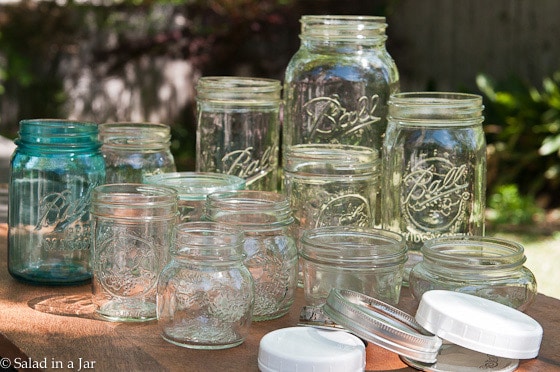
While standard clear glass quart jars are the most practical choice for canning, there’s a growing interest in using specialty jars. Vintage jars, like those with embossed designs, can add a charming aesthetic to your pantry. However, ensure the glass is heat-resistant and free of cracks or chips before using them for canning. Not all vintage jars are created equal!
Colored glass jars, such as blue or green, are becoming more popular. These can be visually appealing, but they make it difficult to see the contents. They might not be suitable for processing certain foods where color changes are important for judging quality. Always check the manufacturer's recommendations.
Jars with unique shapes can be fun, but they may not be compatible with standard canning lids or suitable for all canning methods. Prioritize safety and ensure the jar can withstand the heat and pressure of the canning process. When in doubt, stick with standard, approved canning jars.
Lid compatibility
Understanding lid compatibility is essential for safe canning. Two-piece lids, a flat lid and a screw band, are most common for home canning. These lids create an airtight seal that prevents spoilage. The National Center for Home Food Preservation (NCHFP) offers information on safe canning practices.
Regular mouth jars require regular mouth lids, and wide-mouth jars require wide-mouth lids. You can’t interchange them. Using the wrong size lid can result in a failed seal and potentially unsafe food. Always double-check the lid size before you start canning. The size is clearly marked on the box.
The debate about reusing lids continues. The NCHFP recommends new lids each time for the best seal. If a lid shows no damage and sealed properly, it may be reusable for water-bath canning. Using new lids is the safest approach. Proper storage is key – keep lids in a dry place to prevent rust.
Plastic lids are available for dry jar storage, but not for the canning process. They’re great for pantry organization, but don’t use them when heat processing food.
Finding the best deals
Finding the best prices on quart jars requires effort. Sign up for email newsletters from canning supply stores like Superb Canning for notifications about sales and promotions. Follow retailers on social media – they often announce flash sales or exclusive discounts there. Look for seasonal sales, especially in late summer and early fall when canning season is in full swing.
Look for used jars at flea markets or garage sales. Inspect them carefully for chips, cracks, or other damage before purchasing. Only use jars specifically designed for canning. A good deal isn’t worth the risk of food spoilage.
No comments yet. Be the first to share your thoughts!