

Why steam canning works for quart jars
Steam canning uses the heat of steam to process high-acid foods in an enclosed pot. This method is now USDA-recognized for safe preservation, offering a faster and more energy-efficient alternative to boiling water bath canning. By circulating steam around the jars, you achieve the necessary heat penetration without submerging them in a large volume of water.
This approach is particularly effective for quart-sized jars. Most standard steam canners are designed to hold up to seven quart jars, provided they are arranged to allow steam to circulate freely. The reduced water volume means the canner heats up much faster, shortening your total processing time while maintaining the safety standards required for preserving tomatoes, pickles, and fruits.
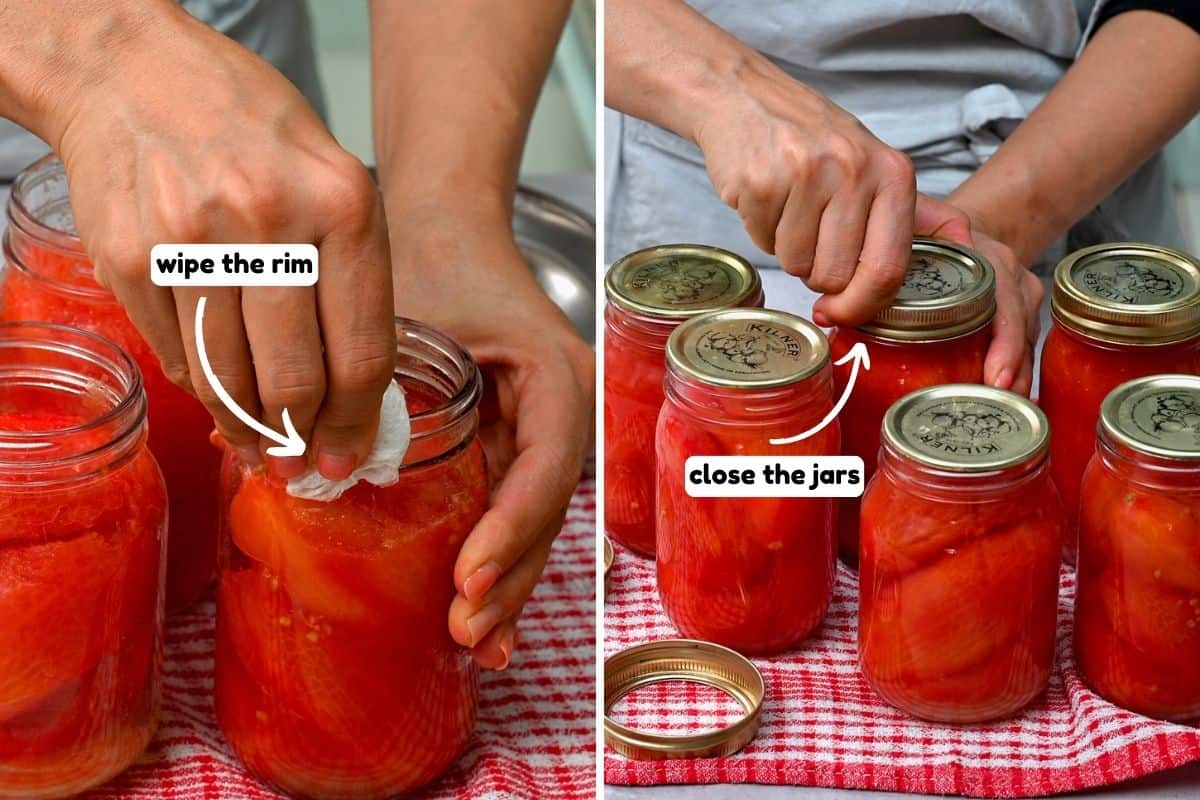
Preparing your steam canner for quart jars
Steam canning relies on consistent heat transfer through vapor rather than submersion. Because quart jars are larger and hold more mass than pints, their placement and the water temperature in the canner base are critical for safe processing. Proper setup ensures that steam circulates freely around every jar, reaching the temperature needed to preserve acidity and texture.
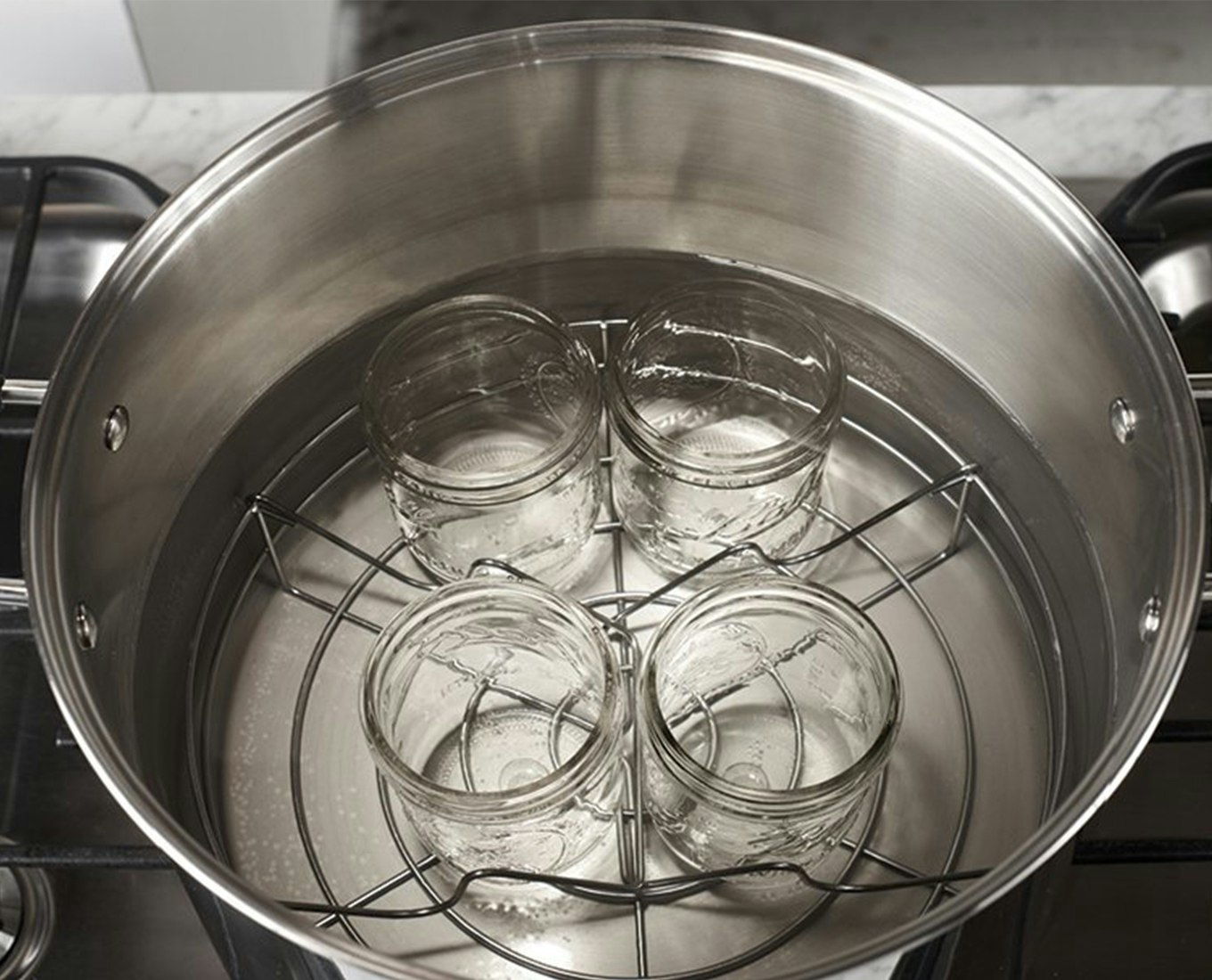
Fill the canner base with water to the level indicated in your manufacturer’s manual. Preheat the canner on the stove until the water reaches the target temperature. According to Michigan State University Extension, raw-packed foods require water at 140 °F, while hot-packed foods need 180 °F. This ensures the steam is hot enough to begin processing immediately when the jars are added.
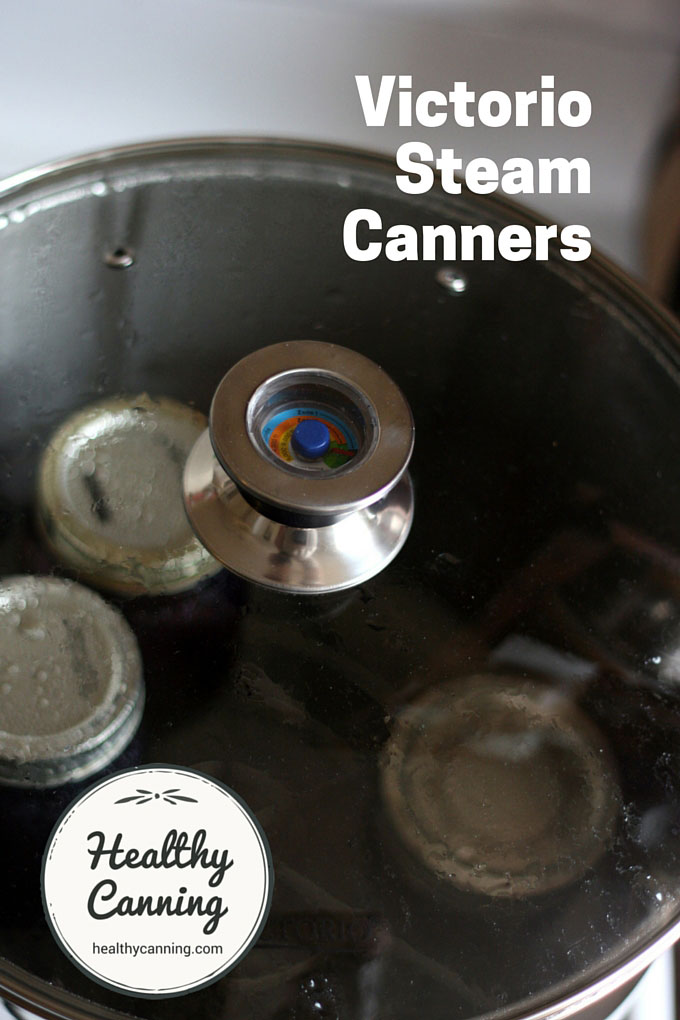
Place your filled and capped quart jars into the preheated canner. Most standard steam canners hold up to seven quart jars. Arrange them so they do not touch each other or the sides of the canner. This spacing is essential; if jars are crowded, steam cannot circulate evenly, leading to cold spots that compromise the safety of the steam canning process.
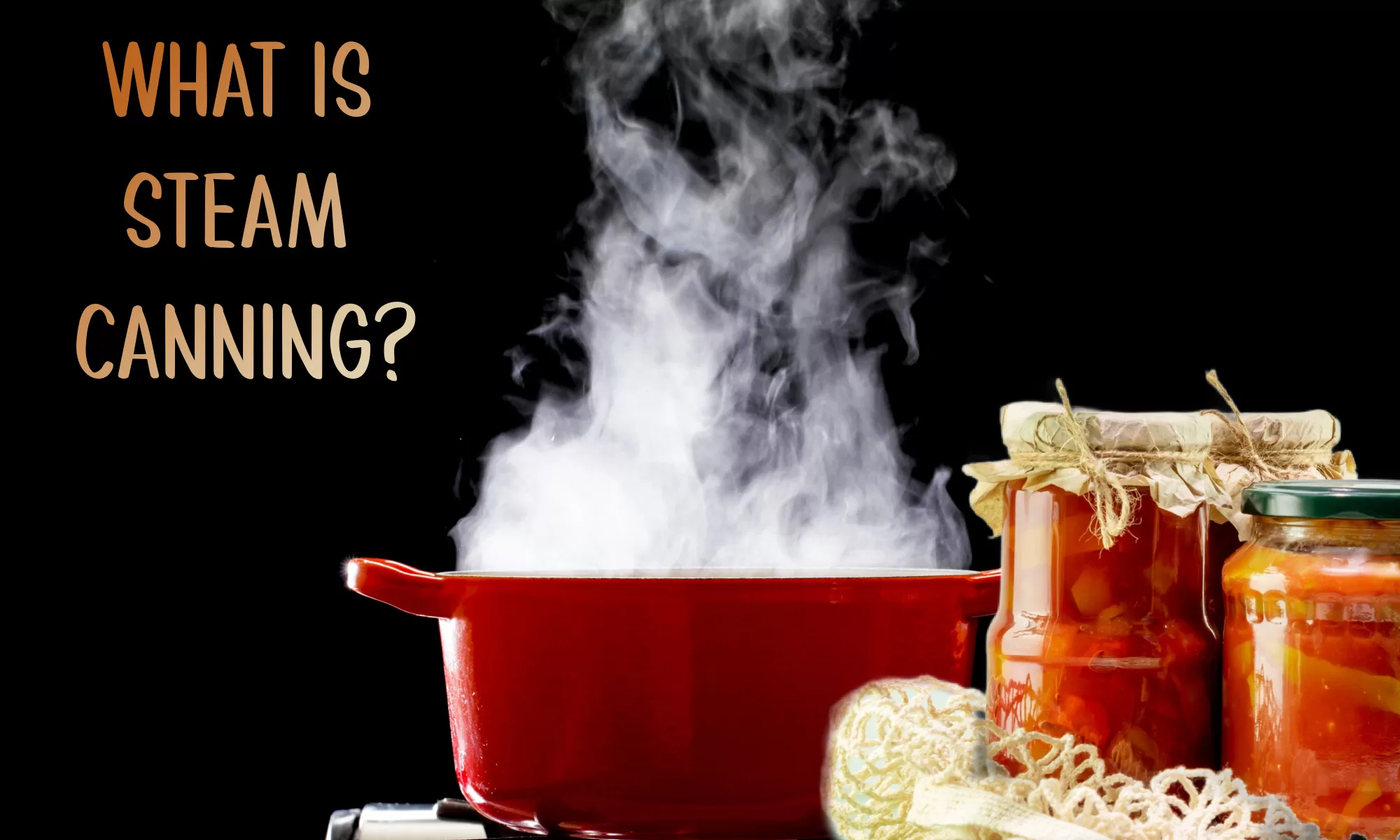
Place the lid on the canner and set the timer. Steam should begin venting from the side vent within 10 to 15 minutes. Once a steady stream of steam is visible, start your processing timer. Do not start the timer until the steam is flowing consistently, as this confirms the entire chamber has reached the necessary temperature for sterilization.
Processing times for high-acid foods
Steam canning relies on a specific set of processing times that differ from traditional water bath methods. The heat transfer dynamics in a steam canner mean that the clock starts only after the canner is covered and a steady, vigorous steam flow is established. If you are switching from pints to quarts, you cannot simply guess the time; you must adjust based on research-tested guidelines.
Stick to tested recipes
Safety in steam canning depends entirely on using current, research-tested recipes. Foods with a pH of 4.6 or below—such as fruits, pickles, jams, and salsas—are the only candidates for this method. Using outdated or untested recipes can lead to under-processing, which risks botulism and spoilage. Always refer to reliable sources like the National Center for Home Food Preservation or university extension services for updated time and pressure guidelines specific to steam canning.
Adjust for quart jars
Quart jars hold more volume and mass than pints, which means they take longer to heat through to the center. In a steam environment, this thermal lag is significant. Most standard steam canners can accommodate approximately seven quart jars, provided they are arranged so steam can circulate freely around each container. When processing quart jars, you must add the additional processing time specified in your recipe to ensure the heat penetrates to the coldest point within the jar. Never reduce processing times for larger jars, as this compromises safety.
Can you reuse canning lids for steam canning?
When preparing jars for steam canning, it is essential to distinguish between the two parts of a standard canning lid: the flat disc and the screw band. Only one of these components is designed for reuse, and confusing the two is a common mistake that can compromise the safety of your preserved food.
Flat lids are single-use
Flat lids, also known as sealing discs, are engineered for one-time use only. They are made of metal coated with a food-grade polymer sealant. During the heating process of steam canning, this sealant softens and flows to create an airtight vacuum seal as the jar cools.
Once heated, the sealant deforms permanently. If you attempt to reuse a flat lid, the sealant will not flow correctly to fill microscopic imperfections in the jar rim. This significantly increases the risk of seal failure, which can lead to food spoilage or botulism.
Always use a new, clean flat lid for every batch of steam canned goods. They are inexpensive and readily available at most grocery or hardware stores. Do not try to save money by reusing them; the cost of replacement is negligible compared to the risk of losing a batch of food or compromising your health.
Screw bands are reusable
Screw bands, or rings, are made of plain metal and are designed to be reused many times. Their only job during the canning process is to hold the flat lid in place against the jar rim while the vacuum seal forms. They do not touch the food and do not participate in the sealing mechanism itself.
You can reuse screw bands as long as they are in good condition. Inspect them before each use. Discard any rings that are rusted, deeply dented, or have damaged threads, as these can prevent the jar from tightening properly. Clean them with hot, soapy water and dry them thoroughly to prevent rust before storing.
By keeping flat lids and screw bands separate in your mindset, you ensure that every jar of steam canned food starts with the best chance of a safe, long-lasting seal.
Common steam canning mistakes to avoid
Even with a reliable steam canner, small errors in setup can compromise the safety and quality of your preserves. Steam canning relies on a precise balance of heat, pressure, and moisture. When that balance is off, you risk under-processing or jar breakage. Watch for these frequent pitfalls.
Overfilling the canner
Steam canners have a fixed capacity designed to ensure proper circulation. Most models hold 7 quarts, 8 pints, or 10 half-pints. Fitting more jars than the manufacturer specifies blocks steam flow, creating cold spots where bacteria can survive. Arrange jars so steam can freely circulate around each one. If you have a large batch, process in two rounds rather than forcing too many jars into the base.
Incorrect water levels
The water level in the base must match the canner’s instructions exactly. Too little water causes the canner to run dry before processing finishes, which stops steam production and risks burning the food. Too much water can lead to boiling over, diluting the steam pressure and potentially flooding the jars. Use the fill line marked inside the base or measure according to the manual. Refill with boiling water between batches to maintain consistent temperature.
Insufficient preheating
Skipping the preheat step is one of the most common steam canning mistakes. The canner must reach a steady, rolling steam state before you add the jars. This ensures the processing timer starts at the correct temperature. If you load jars into a cold or lukewarm canner, the total heat exposure is unpredictable. Wait until steam escapes vigorously from the vent or lid gap before loading.
Check the seal and store your jars
After processing, remove the quart jars from the steam canner and place them on a towel or cooling rack. Do not tighten the bands while the jars are hot; this can interfere with the sealing process. Let the jars sit undisturbed for 12 to 24 hours. This cooling period allows the vacuum seal to form as the contents contract and cool.
Once cooled, test each jar for a proper seal. Press the center of the lid; it should not flex up or down. If the lid moves, the seal failed. Refrigerate these jars and consume them within a few days, or reprocess them using a fresh lid and correct steam canning time. For sealed jars, remove the screw bands. Wipe the jar rims and lids with a damp cloth to remove any sticky residue, then label with the food type and date.
Store the sealed quart jars in a cool, dark, and dry place. A pantry or cellar with temperatures between 50°F and 70°F is ideal. Properly stored, steam-canned foods in quart jars maintain best quality for 12 to 18 months. Always check for signs of spoilage, such as bulging lids or off odors, before opening and consuming.
Frequently asked questions about steam canning
Steam canning is a quick and simple method of preserving produce using steam. While it was previously not an evidence-based practice, updated guidelines now support its use for high-acid foods when done correctly. Below are common questions about capacity and safety.
How many pint jars fit in a steam canner?
Most steam canners will hold 10 half-pints, 8 pints, or 7 quarts. Arrange jars so that steam can freely circulate around the jars. After the canner is filled or you run out of jars, place the lid on the canner. Overcrowding prevents proper steam circulation, which can lead to unsafe processing times.
Can I reuse steam canner lids?
Yes, most manufacturers design steam canner lids to be reusable. However, always check the specific instructions for your model. Unlike water bath canning where flat lids are single-use, steam canner lids are often made of durable materials like aluminum or stainless steel that can withstand multiple uses. Ensure they are clean and free of dents or warping before each use.
Is steam canning safe for low-acid foods?
No. Steam canning is only safe for high-acid foods such as fruits, pickles, and jams with added acid. Low-acid foods like vegetables, meats, and soups require pressure canning to reach the higher temperatures needed to destroy botulism spores. Steam canning does not reach temperatures high enough to safely process low-acid foods.
No comments yet. Be the first to share your thoughts!