

The nutrient debate
When I spend all Saturday peeling peaches, I want to know if the heat is killing the vitamins. Safety is the priority, but if steam canning keeps more folate in the jar than a rolling water bath, that's a win for the pantry.
For many canners, nutrient retention isn't the primary focus; safety is. And rightly so! But as home canning gains popularity with a more health-conscious audience, that question of nutrient value is coming up more and more. Canning itself has a long history, evolving from simple preservation techniques to the more controlled methods we use today.
There isn't much head-to-head data comparing these two. We have to look at how heat and water affect specific vitamins to see which method comes out on top. It's more about chemistry than a simple 'better' or 'worse' label.
This isn’t about declaring a clear "winner’ immediately. It’s about understanding the nuances. Both steam and water bath canning are effective ways to preserve food, but they do so in slightly different ways, and those differences can have an impact on nutrient levels. We"ll explore those impacts in detail.
How water baths affect food
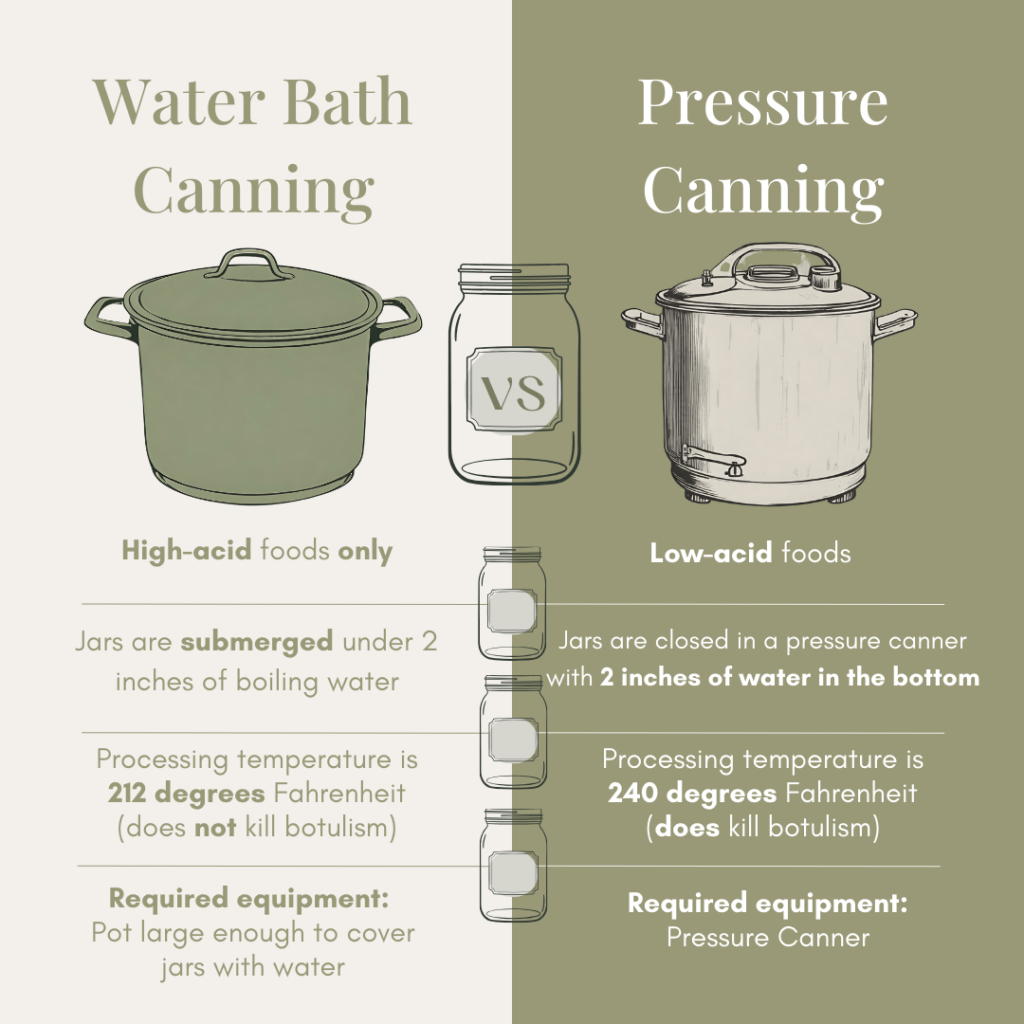
Water bath canning is the method most people picture when they think of home preservation. It's been a staple for generations, and for good reason: it's effective, relatively simple, and works well for high-acid foods like fruits, jams, jellies, pickles, and tomatoes. The process begins with careful jar preparation – washing, sterilizing, and ensuring no cracks or chips are present.
You fill the jars with your prepared food, leaving the correct amount of headspace (the space between the food and the lid). Removing air bubbles is crucial to ensure proper sealing. Then, you apply the lids and rings, and lower the jars into a large pot of boiling water. Processing time varies depending on the food, jar size, and your altitude.
The science behind water bath canning is straightforward: the heat destroys enzymes and microorganisms that cause spoilage. But that same heat also impacts the nutrients within the food. Prolonged exposure to boiling water can lead to the leaching of water-soluble vitamins – B vitamins and Vitamin C – into the canning liquid. This isn't a fault of the method, but a consequence of the process.
There’s a trade-off here. The water bath ensures a safe, shelf-stable product, but some nutrient loss is inevitable. It's important to remember that even with some loss, canned foods still provide valuable nutrition. However, understanding the extent of that loss allows us to make informed choices and potentially mitigate it.
The steam canning alternative
Steam canning is a method that’s gaining traction, but it’s not brand new. It utilizes steam, rather than fully submerging the jars in boiling water, to achieve the necessary temperature for safe preservation. A steam canner typically consists of a base with a small amount of water, a rack to hold the jars, and a dome-shaped lid that traps the steam.
The key difference is that the food isn't fully immersed in water. The steam rises and surrounds the jars, heating them to the required temperature. This reduces the amount of water used significantly – a major benefit for those concerned about water conservation. It also generally results in a faster processing time compared to water bath canning.
The National Center for Home Food Preservation (NCHFP) used to be skeptical of steam canning because of temperature consistency. They changed their stance in 2015, confirming that steam is safe for high-acid foods if you follow the same processing times as a water bath.
The debate surrounding steam canning isn't necessarily about whether it can work, but about ensuring consistently safe results. Proper venting and maintaining adequate steam flow are crucial. A quality steam canner, used correctly, can be just as effective as a water bath canner for preserving high-acid foods.
Nutrient Loss: Heat, Water, and Acidity
To understand which canning method preserves more nutrients, we need to break down how different nutrients respond to heat and water. Heat-sensitive vitamins, like Vitamin C and thiamin (B1), are particularly vulnerable during processing. The longer the exposure to heat, the greater the loss. That’s why minimizing processing time is always a good strategy, regardless of the method.
Water-soluble nutrients are prone to leaching into the canning liquid. This means that even if the vitamin isn't directly destroyed by the heat, it can be lost as it dissolves into the water. The more water used, and the longer the processing time, the more leaching occurs. This is a significant factor when comparing water bath and steam canning.
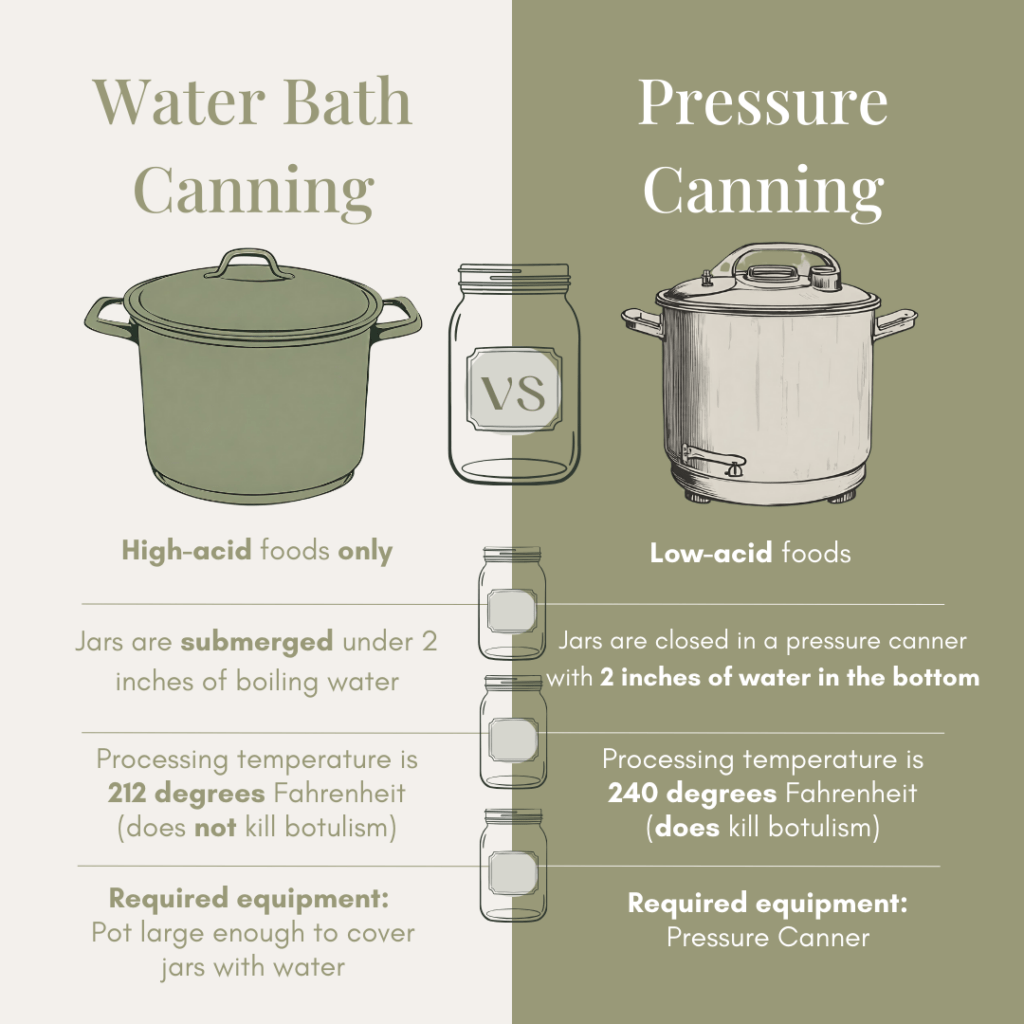
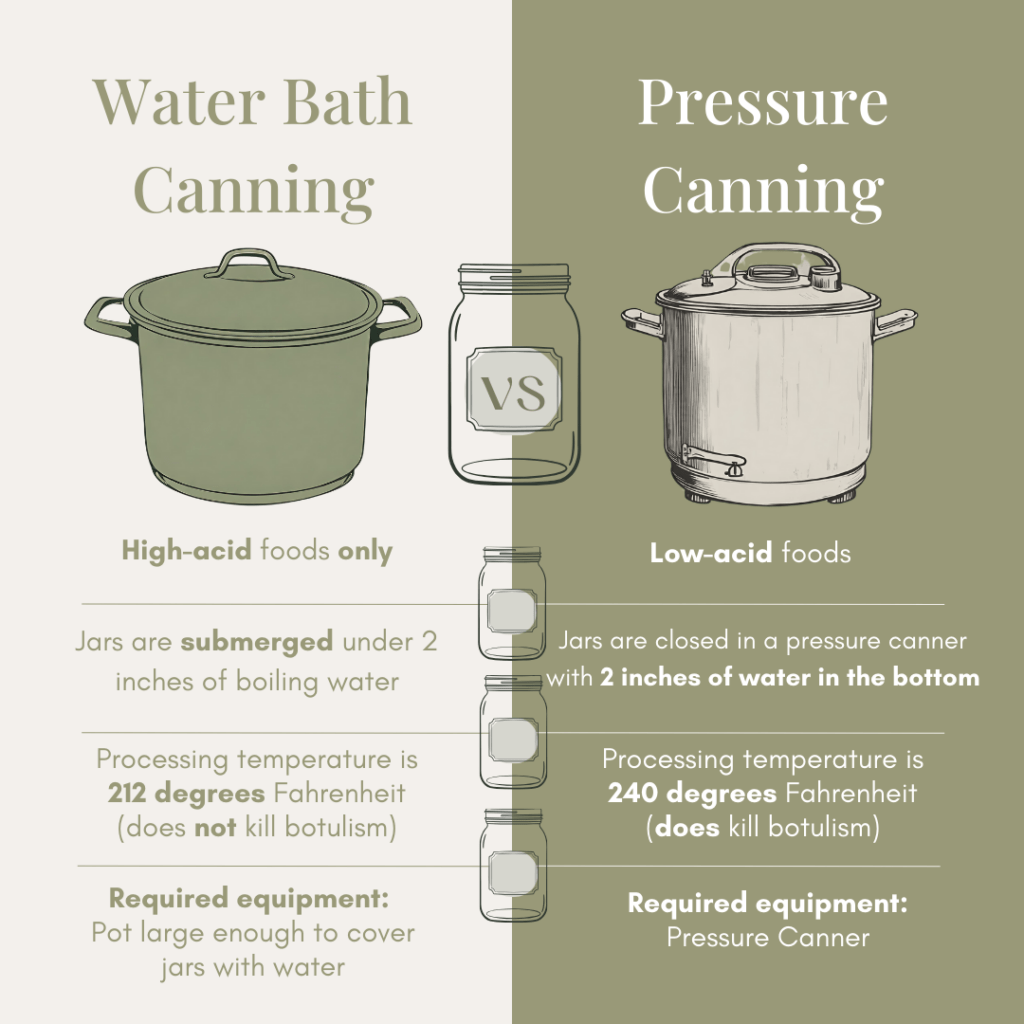
Acidity plays a crucial role. High-acid foods (pH of 4.6 or lower) are less susceptible to nutrient loss during processing. The acidity itself helps to preserve the vitamins and minerals. Conversely, low-acid foods require more intense heat and longer processing times, leading to greater nutrient degradation. This is why low-acid foods typically require pressure canning, a different method altogether.
Studies on specific foods offer some insight. For example, research on tomatoes has shown that while canning does reduce Vitamin C content, the losses are comparable between water bath and steam canning when processing times are similar. However, a study published in the Journal of Food Science in 2018 showed that steam canning green beans retained slightly more folate than water bath canning, likely due to reduced leaching.
It’s also important to remember that nutrient loss isn’t just about the canning process. The quality of the produce you start with matters immensely. Using fresh, ripe fruits and vegetables, harvested at their peak, will yield the most nutrient-rich canned goods. The same goes for blanching – or choosing not to blanch – depending on the vegetable and recipe.
Side-by-side comparison
Let's directly compare the two methods, focusing on their impact on nutrient preservation. It's crucial to remember that results can vary depending on the specific food, recipe, and processing time. This isn’t about declaring one universally "better" – it's about understanding the trade-offs.
Here’s a summary of the pros and cons:
| Feature | Water Bath Canning | Steam Canning |
|---|---|---|
| Water Usage | High (16+ quarts) | Low (typically 2-3 quarts) |
| Processing Time | Generally longer | Generally shorter |
| Nutrient Loss | Higher potential for leaching of water-soluble vitamins | Slightly lower potential for leaching |
| Energy Efficiency | Lower | Higher |
| Equipment Cost | Relatively inexpensive | Can be more expensive initially |
| Ease of Use | Well-established, widely understood | Requires learning a new technique |
| Safety | Highly reliable when following tested recipes | Requires careful attention to venting and steam flow |
Jar size and fill level also play a role. Larger jars require longer processing times, potentially increasing nutrient loss. Properly filling jars – without overcrowding or leaving excessive headspace – can help minimize processing time and maximize nutrient retention.
Steam Canning vs. Water Bath Canning: A Comparative Analysis (2026)
| Dimension | Steam Canning | Water Bath Canning |
|---|---|---|
| Nutrient Retention | Potentially Higher | Generally Good |
| Explanation | Reduced submersion in water may lead to less leaching of water-soluble vitamins. | Prolonged boiling can cause some nutrient loss, though proper processing minimizes this. |
| Water Usage | Significantly Lower | High |
| Explanation | Steam canning uses a fraction of the water compared to fully submerging jars. | Requires complete coverage of jars with boiling water. |
| Energy Efficiency | Comparable | Moderate |
| Explanation | Both methods require a heat source to boil water/create steam. Efficiency depends on appliance type. | Heating a large volume of water takes time and energy. |
| Processing Time | Potentially Faster | Standard |
| Explanation | Faster heating of a smaller water volume can reduce processing time in some cases. | Processing times are established based on food type and jar size. |
| Equipment Cost | Medium to High | Low to Medium |
| Explanation | Requires a dedicated steam canner unit, which is an additional purchase. | Typically only requires a large stockpot and canning rack, often already owned. |
| Safety Concerns | Requires Careful Monitoring | Well-Established Procedures |
| Explanation | Maintaining consistent steam flow is crucial; improper use can lead to seal failures. | A long-established method with clear guidelines and research-backed safety protocols. |
| Food Acidity Suitability | High-Acid Foods Only | High-Acid & Low-Acid Foods |
| Explanation | Steam canning is currently only recommended for high-acid foods (pH 4.6 or lower) due to safety concerns. | Water bath canning is suitable for both high-acid and, with adjusted processing times, low-acid foods. |
Qualitative comparison based on the article research brief. Confirm current product details in the official docs before making implementation choices.
Beyond the Method: Maximizing Nutrient Retention
Regardless of whether you choose steam or water bath canning, there are several steps you can take to minimize nutrient loss. Starting with high-quality produce is paramount. Choose fresh, ripe fruits and vegetables, ideally locally sourced and in season. The longer produce sits, the more nutrients it loses.
Blanching – briefly immersing vegetables in boiling water – is often recommended to deactivate enzymes that can affect flavor and texture. However, blanching does leach some water-soluble vitamins. Consider whether blanching is truly necessary for your recipe. For some vegetables, skipping the blanching step can help retain more nutrients.
Minimize processing time whenever possible. Use the correct jar size for the recipe, and follow tested processing times precisely. Hot-packing – filling jars with heated food – can reduce the amount of time required for processing compared to raw-packing.
Proper storage is also critical. Store canned goods in a cool, dark, and dry place. Exposure to light and heat can degrade nutrients over time. Using dark-colored jars can help protect against light damage. And remember to label your jars with the date to ensure you’re using the oldest jars first.
Steam Canning Equipment: What You Need
If you're considering switching to steam canning, you’ll need to invest in the right equipment. A steam canner consists of a base, a rack, and a lid. The base holds a small amount of water, and the rack elevates the jars above the water. The lid traps the steam, creating a pressurized environment.
Several brands offer steam canners, including the Back to Basics Steam Canner and the Ohuhu Steam Canner. Prices typically range from $60 to $150, depending on the size and features. Look for a canner with a clear vent and a tight-fitting lid to ensure proper steam flow and temperature maintenance.
Safety is paramount when steam canning. Always follow the manufacturer's instructions carefully. Ensure the vent is clear before starting the process, and monitor the temperature gauge to maintain the correct temperature. Use only jars and lids specifically designed for canning. Regular jars used for dry goods are not suitable.
You’ll also need a jar lifter, a funnel, and a non-metallic utensil for removing air bubbles. These tools are essential for safe and efficient canning. Remember to review tested recipes specifically approved for steam canning to guarantee safety and quality.
Featured Products

Aluminum construction for efficient heat distribution · Includes a temperature indicator for optimal canning conditions · Designed for steam canning, a method that may preserve more nutrients
This steam canner is recommended for its efficient design and temperature indicator, which are crucial for potentially preserving more nutrients during the canning process.

Durable enamel steel construction · 15.5-quart capacity suitable for water bath canning · Includes a collapsible jar rack for easy loading and unloading
A classic and reliable option for water bath canning, this large-capacity canner provides a solid baseline for comparison in nutrient retention studies.
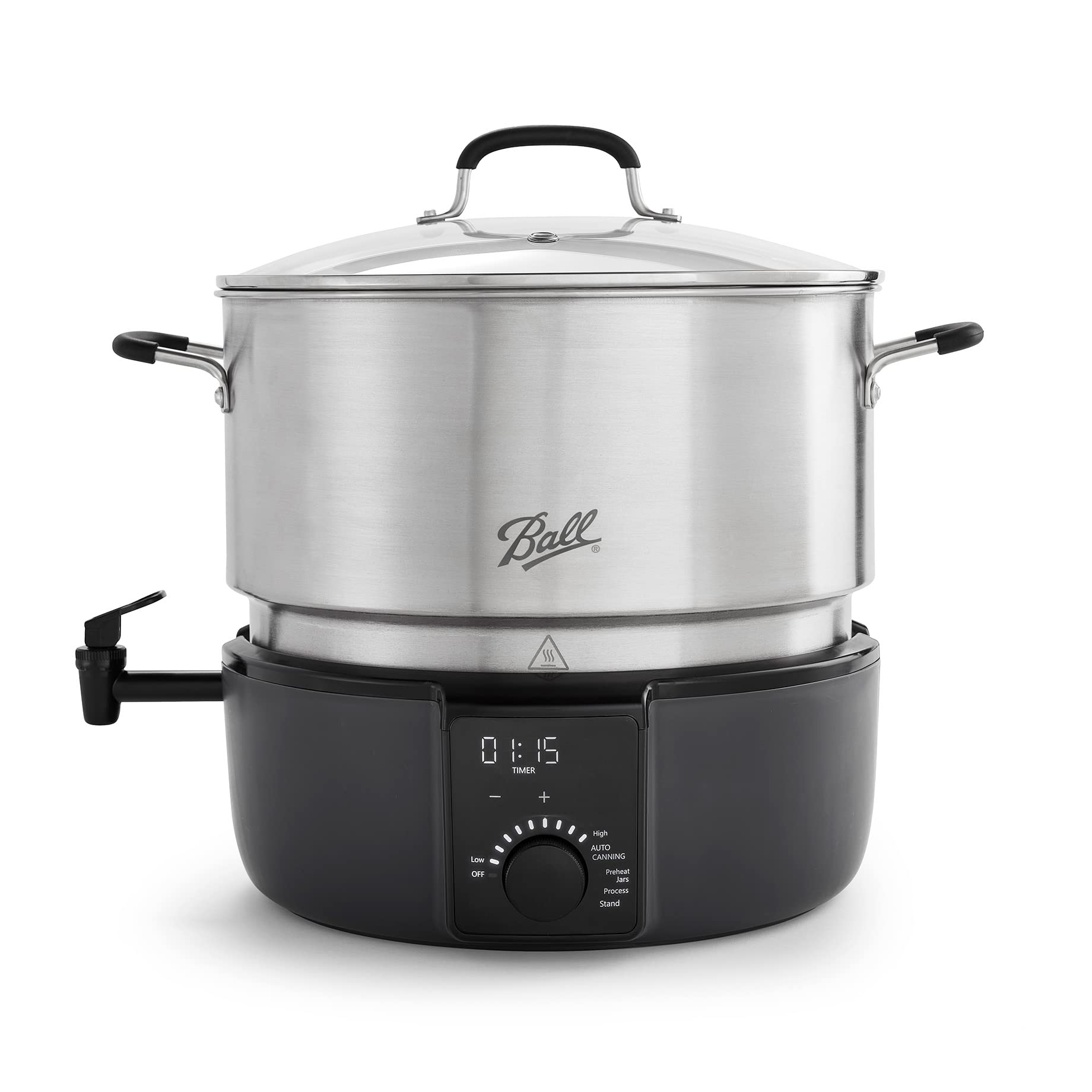
23-quart capacity for large batches · Features a locking system for safety · Can be used for pressure canning and as a boiling water canner
This versatile pressure canner is included as a representative of pressure canning methods, which operate at higher temperatures and may affect nutrient preservation differently.

Digital display for precise control · 10 built-in safety features · Can also be used for water bath canning
This advanced digital pressure canner offers precise control over the canning process, making it a high-tech option for those prioritizing safety and potentially optimal nutrient preservation through pressure canning.

These steam canners offer efficient and safe methods for preserving food, potentially retaining more nutrients compared to traditional water bath canning, making them ideal for readers exploring advanced preservation techniques.
As an Amazon Associate I earn from qualifying purchases. Prices may vary.
No comments yet. Be the first to share your thoughts!