

Steam Canning vs Water Bath Basics
Home canning for high-acid foods like cucumbers and onions relies on heat to destroy spoilage organisms and create a vacuum seal. For these specific ingredients, you have two approved methods: water bath canning and steam canning. Both are safe when you follow tested recipes that ensure the final product reaches a pH of 4.6 or lower.
Water bath canning has been the standard for decades. This method involves submerging filled jars in a pot of boiling water. The water must cover the jars by at least one inch. The constant boiling temperature of 212°F (100°C) processes the food, killing yeast, molds, and some bacteria. It is a reliable, well-understood process that works for pickles, pickled onions, and other high-acid preserves.
Steam canning is a newer option that has gained popularity for its efficiency. Instead of boiling water, a specialized pot generates a dense blanket of steam around the jars. The steam reaches the same 212°F processing temperature but heats the jars faster. This method uses less water and energy, and it allows you to process smaller batches without filling a large pot. Recent guidelines from the National Center for Home Food Preservation confirm that steam canning is safe for high-acid foods when using approved equipment and tested recipes.
The choice between the two often comes down to your kitchen setup and energy preferences. Water bath canning requires a large, deep pot and significant water, making it more resource-intensive. Steam canning is quicker and uses less water, but it requires a specific steam canner pot that fits the size of your jars. Regardless of the method you choose, the safety of your pickled cucumbers and onions depends on using current, scientifically tested recipes.
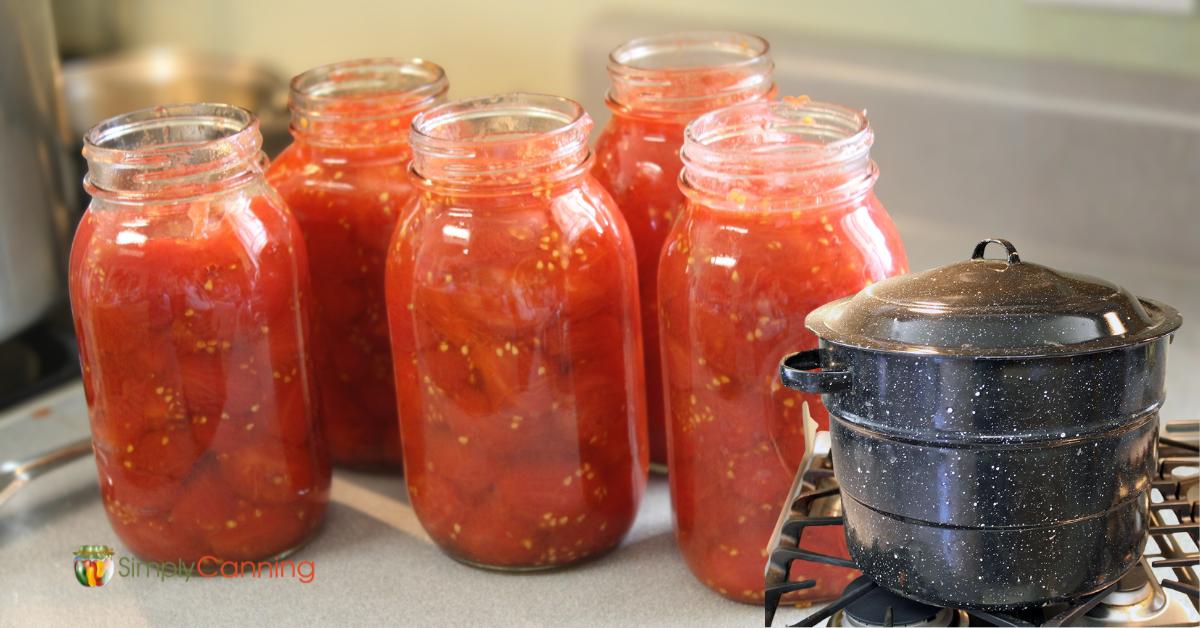
Equipment and setup differences
The hardware you need for steam canning versus water bath canning differs significantly in both complexity and footprint. Water bath canning relies on a large, deep stockpot or dedicated canner that holds enough water to submerge jars completely. This method requires a rack to keep jars off the direct heat of the pot bottom, preventing breakage. The setup is straightforward: fill the pot, add water, place jars, and bring to a rolling boil. It is a familiar, low-tech approach that works well for pickled cucumbers and onions, which are high-acid foods safe for this method.
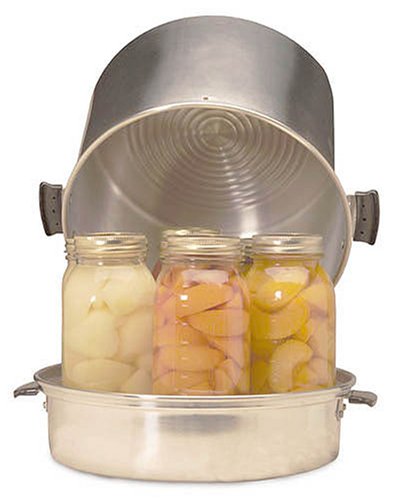
Steam canning, by contrast, requires a specialized canner with a tight-fitting lid and a flat rack that sits above a shallow layer of water. You do not submerge the jars; instead, the unit generates steam that circulates around them to heat the contents. This equipment is more specialized and often bulkier than a standard stockpot. However, it uses significantly less water and heats up faster. For home canners with limited counter space or those who want to avoid filling a large pot with gallons of water, steam canning offers a more efficient, albeit more specialized, setup.
| Feature | Water Bath Canning | Steam Canning |
|---|---|---|
| Primary Vessel | Large stockpot or dedicated canner | Specialized steam canner with lid |
| Water Level | Full submersion of jars | Shallow layer (1-2 inches) |
| Heat Source | Direct boiling water | Steam circulation |
| Setup Time | Longer (filling large pot) | Faster (less water to heat) |
| Storage Space | Moderate (common pot) | Larger (specialized unit) |
The initial investment for steam canning is higher because you need a specific appliance rather than a generic pot. However, the long-term benefits in water savings and speed may appeal to frequent canners. For occasional use, a standard water bath setup is likely sufficient, especially since both methods require the same basic jars, lids, and bands. The choice often comes down to how much space you have in your kitchen and how often you plan to process large batches of pickles or onions.


As an Amazon Associate, we may earn from qualifying purchases.
Processing cucumbers and onions
The choice between steam canning and water bath canning changes how cucumbers and onions hold up in the jar. Water bath canning submerges jars in boiling water, which gently cooks the contents but can sometimes lead to softer textures over time. Steam canning uses hot vapor to heat the jars, which many home canners find preserves a crisper bite in delicate vegetables.
For cucumbers, the goal is usually a crisp pickle. Water bath canning is the traditional standard, but the prolonged exposure to liquid heat can occasionally make pickles limp if over-processed. Steam canning heats the jar more quickly, potentially reducing the time vegetables spend in high heat. This method often results in pickles that retain more of their original crunch, provided you follow tested processing times.
Onions behave differently. They are denser and more resilient than cucumbers. Both methods work well for pickled onions, though steam canning may help them keep a slight snap. Water bath canning is perfectly safe for onions and is often preferred for its simplicity and widespread acceptance in tested recipes. The key is sticking to recipes developed specifically for your chosen method to ensure both safety and quality.
Texture isn't the only factor. Flavor extraction also varies. Water bath canning allows flavors to meld deeply as the jars sit in the boiling water. Steam canning might preserve brighter, sharper notes in the vinegar and spices, which some picklers prefer for a fresher taste profile. Always prioritize safety by using recipes from trusted sources like the National Center for Home Food Preservation, which provide exact times and pressures for each method.
Speed and energy efficiency
When deciding between steam canning and water bath canning for cucumbers and onions, time and energy usage are practical factors that affect your workflow. Steam canning is generally faster because it heats up quickly and requires less water volume. Water bath canning takes longer to reach a boil and maintain it, especially in large pots.
Time savings
Steam canning typically reduces processing time by 30-50% compared to water bath. For pickled cucumbers, which often require 10-15 minutes of processing, this difference is noticeable. Water bath canning requires bringing a large volume of water to a rolling boil, which can add 20-30 minutes to your total prep time. Steam canners heat up in minutes, allowing you to start processing sooner.
Energy usage
Using less water and shorter processing times means steam canning uses less energy. This is particularly relevant if you are canning in summer when kitchen heat is already high. Water bath canning keeps your kitchen warmer and consumes more gas or electricity. For small batches of pickled onions or cucumbers, the energy difference is small but cumulative over multiple batches.
Safety and tested recipes
Speed should never compromise safety. Both methods are safe when following tested recipes from reputable sources like the National Center for Home Food Preservation. Steam canning is only approved for high-acid foods like pickled cucumbers and onions. Water bath canning is also suitable for these foods but may result in softer textures due to longer exposure to boiling water. Always prioritize recipe integrity over speed.
Choosing the right method for your batch
Selecting between steam canning and water bath canning for cucumbers and onions depends on your specific equipment and safety priorities. While both methods rely on boiling water temperatures to create a vacuum seal, they differ significantly in heat distribution, water usage, and processing times.
Batch Size and Equipment
Water bath canning requires a large pot deep enough to submerge jars completely with at least one inch of water above the lids. This method is ideal for small to medium batches but becomes cumbersome for larger volumes. Steam canning uses less water and heats faster, making it more efficient for larger quantities of pickles or onions. However, it requires a steamer insert and a tight-fitting lid to maintain consistent steam pressure.
Safety and Processing Time
Safety is the primary concern when canning low-acid or borderline-acid foods like onions. Both methods require a vinegar-based brine to ensure safe acidity levels. Water bath canning is the traditional, widely tested method with decades of documented safety records. Steam canning is a newer technique that some extension services caution against for certain vegetables due to potential uneven heating. Always follow tested recipes from reliable sources like the National Center for Home Food Preservation to prevent spoilage.
Decision Framework
Use this checklist to decide which method fits your needs:
- Small batch (1-4 jars): Water bath canning is straightforward and requires minimal specialized equipment.
- Large batch (5+ jars): Steam canning saves water and reduces processing time, but ensure you have a compatible steamer setup.
- Beginner status: Stick with water bath canning using tested recipes to build confidence and ensure safety.
- Equipment availability: If you lack a deep water bath canner, a steam canner with a proper seal may be your only viable option.
Ultimately, the "right" method is the one that allows you to process your cucumbers and onions safely and consistently. Prioritize tested recipes over convenience to ensure your preserves are safe for long-term storage.
Frequently asked questions about canning
Can you steam can cucumbers and onions?
No. Steam canning is only approved for high-acid foods with a pH of 4.6 or lower, such as pickled cucumbers and onions processed with vinegar. It is not safe for plain cucumbers or onions, which are low-acid vegetables. For these items, you must use water bath canning with a tested pickling recipe or pressure canning to prevent botulism.
Is water bath canning safe for pickled vegetables?
Yes, provided you follow a tested recipe. Water bath canning heats the jars in boiling water to create a vacuum seal and destroy spoilage microorganisms. The acidity from the vinegar brine in pickled cucumbers and onions ensures the environment remains safe for shelf-stable storage. Always use fresh, firm produce and verified ratios of acid to vegetable.
How long do home-canned pickled cucumbers last?
Properly sealed jars of pickled cucumbers and onions maintain best quality for 12 to 18 months. While the seal may remain intact for years, the texture of cucumbers will soften and the flavor may fade over time. Store jars in a cool, dark, dry place. Discard any jars with broken seals, bulging lids, or off-odors before opening.
No comments yet. Be the first to share your thoughts!