
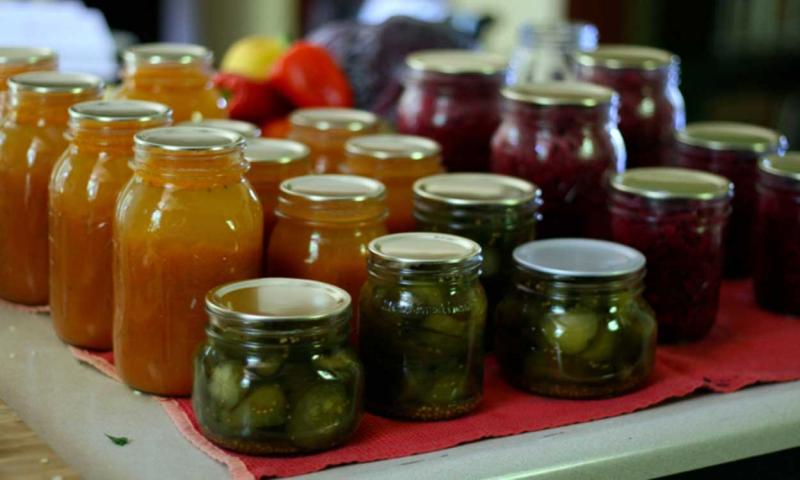

Steam canning quart jars safely
Steam canning is a quick, evidence-based method for preserving high-acid foods in quart jars, provided you follow strict temperature and time guidelines. While it was once considered experimental, university extension services now confirm it is safe for acidic foods with a pH of 4.6 or below, such as fruits, jams, jellies, pickles, and salsa [1]. The process uses boiling steam rather than submerging jars in water, which makes it faster and uses less energy.
To ensure safety, you must use research-tested recipes from reputable sources like the National Center for Home Food Preservation or your local extension service. These guidelines specify the exact processing times required to kill harmful bacteria in quart-sized containers. Because quart jars are larger, they retain heat differently than pint jars, so you cannot simply halve or double processing times from smaller jar recipes.
Always start with a full boiling steam cycle before adding your jars. This ensures the canner reaches the necessary temperature to begin the clock. Use a validated canner designed for steam, such as the Presto Steam Canner or the All-American Steam Canner, to maintain even heat distribution [2].
How to choose the right steam canner
A steam canner is a specialized vessel designed to process high-acid foods like jams, pickles, and fruit preserves. Unlike pressure canners that reach higher temperatures, steam canners use generated steam to heat jars. This method is faster and uses less water, but it requires strict adherence to time and temperature guidelines established by extension services. When selecting a canner for quart jars, you need a model with enough internal volume to hold the weight and bulk of 4-quart mason jars without overcrowding.
The most important feature to evaluate is capacity. Many standard steam canners are designed for pint jars. If you are processing quart jars, you must ensure the canner has sufficient depth and width. Look for models that explicitly state they accommodate quart jars. Overcrowding prevents steam from circulating properly, which compromises safety. A good rule of thumb is to check the manufacturer's specifications for the maximum number of quart jars the rack can support.
Another critical factor is the construction quality. The canner should be made of heavy-gauge aluminum or stainless steel to distribute heat evenly. Thin metal can lead to hot spots, which may cause jars to crack or food to spoil unevenly. The lid should fit tightly to retain steam, and a built-in temperature gauge is helpful for monitoring the process. Some models include a glass lid, which allows you to watch the boil without losing steam, though this can make it harder to see the temperature gauge if the gauge is integrated into the lid.
Here are three popular steam canners that are widely available and suitable for processing quart jars. These options vary in price and material, so choose the one that best fits your kitchen setup and canning frequency.

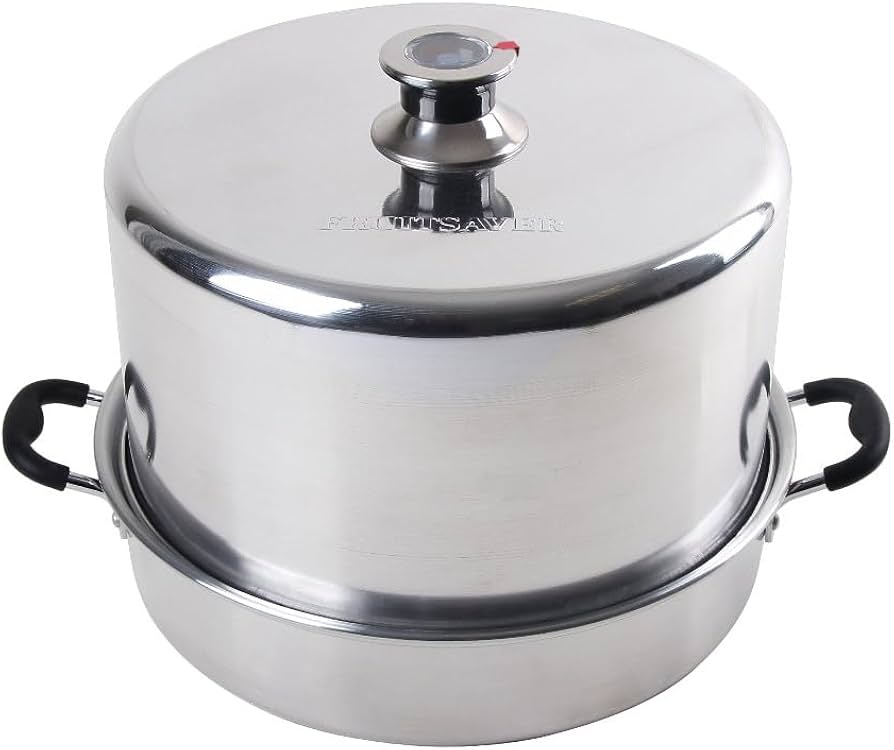

As an Amazon Associate, we may earn from qualifying purchases.
When making your final decision, consider how often you plan to can. If you are a beginner, a model with clear instructions and a visible gauge can reduce anxiety. If you are a seasoned canner, you might prioritize durability and ease of cleaning. Always verify that the canner you choose is approved for steam canning by a reputable source, such as a university extension service, to ensure your preserved food is safe to eat.
Lid reuse rules for steam canning
When working with quart jars in a steam canner, the hardware splits into two distinct categories with different reuse rules. Understanding the difference prevents seal failures and keeps your canned goods safe for long-term storage.
Bands are reusable
The metal screw bands (often called rings) are designed for multiple uses. They simply hold the lid in place during processing and can be removed once the jars have cooled. As long as the bands are free of rust, deeply pitted metal, or bent edges that prevent a tight screw, you can wash and reuse them indefinitely.
Keep them clean and dry to prevent corrosion. If a band is slightly warped but still screws on snugly, it is usually fine for one more season, but replace any that feel loose or compromised. Brands like Ball and Kerr make standard bands that fit most quart jars, including those from generic steam canner sets like the Presto or All-Can models.
Lids are single-use
The flat lids that sit on top of the jar are different. Most modern home canning uses two-piece lids with a rubberized sealing compound. Once heated during the steam canning process, that compound softens to create a vacuum seal. After the jar cools and the seal sets, the compound has been permanently deformed.
Using a reused lid risks a failed seal, which allows bacteria to enter the jar. Even if a reused lid appears to seal, the integrity is unreliable. Always use a new, clean lid for each batch. This applies regardless of whether you are using Ball SureTight lids, Kerr regular lids, or the specific lids included with your steam canner purchase.
Check the fit
Before processing, ensure the band is screwed on "fingertip tight." This means you can just barely feel resistance when tightening it by hand. Over-tightening can prevent air from escaping during processing, while under-tightening may allow the lid to lift. After the steam canner cycles and the jars cool, remove the bands to check the seal by lifting the jar by the lid edge. If the lid does not pop off, the seal is good.
Temperature and time limits
Steam canning relies on precise heat management to ensure quart jars are processed safely. Unlike pressure canners that build internal pressure, steam canners use atmospheric heat, which means the starting water temperature and the duration of the boil are your primary safety controls. Getting these numbers right prevents under-processing, which can lead to spoilage or foodborne illness.
The Michigan State University Extension and other research-backed sources emphasize that the water temperature in the canner base must reach specific thresholds before you load the jars. For raw-packed foods, where you place cold, uncooked food into the jar, the water should be at least 140 °F. This prevents thermal shock to the glass and ensures the heat penetrates the dense raw food efficiently. For hot-packed foods, where you have already heated the contents, the water needs to be at least 180 °F. This higher starting point accounts for the fact that the food is already warm, allowing the steam to focus on raising the internal jar temperature to a safe level for preservation.
| Food Type | Starting Water Temp | Processing Condition |
|---|---|---|
| Raw-packed | 140 °F | Jars placed in preheated canner |
| Hot-packed | 180 °F | Jars placed in preheated canner |
Time limits are equally critical. You must follow research-tested recipes for acidic foods with a pH of 4.6 or below, such as fruits, salsas, pickles, and jams. These recipes specify the exact processing time required for quart jars in a steam canner. Deviating from these times—whether by shortening the boil or adjusting the temperature—compromises the safety of the final product. Always use a reliable thermometer to verify your canner’s water temperature before loading, and never guess the processing time based on smaller jar sizes or different canning methods.
Steam canning vs water bath
Steam canning uses boiling steam to heat jars, while water bath canning submerges them in a pot of boiling water. The steam method is faster because you don't need to wait for a large volume of water to reach a rolling boil. It also uses less water, which matters when you are processing full quart jars in a hot kitchen.
The USDA and extension services approve steam canning for high-acid foods like fruits, pickles, and tomatoes with added acid. The main safety rule is that you must use the hot pack method only. This means filling the jars with piping hot food and liquid before processing. Cold packing is not safe in a steam canner because the jars may not reach the required temperature quickly enough.
Steam canning times are limited to 45 minutes or less. If a recipe requires longer processing, you must use a pressure canner. Water bath canning allows for longer processing times for some high-acid foods, but it takes significantly more time to heat up and cool down.
Choose steam canning when you want a quicker process for small to medium batches of high-acid preserves. Stick to water bath canning if you have a large batch that needs extended processing times or if you prefer the traditional cold pack method for fruits.
No comments yet. Be the first to share your thoughts!