

Steam canning vs pressure canning
Steam canning and pressure canning are two distinct methods for preserving food, but they serve very different purposes based on acidity. Steam canning is a modern, efficient alternative to water bath canning. It uses a specialized canner that circulates steam to heat jars quickly, making it ideal for high-acid foods like pickled cucumbers and onions. However, it cannot replace pressure canning for low-acid vegetables.
Pressure canning is the only safe method for low-acid foods, such as green beans, corn, and meats. These items require internal temperatures of 240°F (116°C) to destroy botulism spores. Standard steam canners, even when fully loaded, cannot reach these temperatures. Using a steam canner for low-acid foods without proper acidification poses a serious health risk. Always follow USDA or National Center for Home Food Preservation guidelines to ensure safety.
For high-acid foods, steam canning offers significant advantages. It uses less water than water bath canning and heats jars faster, which can help preserve texture and flavor. Many home canners find it easier to manage than maintaining a rolling boil in a large pot. If you are canning pickled cucumbers or onions with a pH of 4.6 or lower, a steam canner is a valid and efficient choice.
When deciding between the two, consider the food you are preserving. If you are making quick-pickled cucumbers or onions with sufficient vinegar, steam canning is a great option. For any low-acid item, pressure canning is non-negotiable. Understanding this distinction ensures your preserved foods are safe to eat and delicious.
How steam canning differs from pressure
Steam canning and pressure canning both preserve food by heating sealed jars, but they achieve this through different mechanical and thermal processes. Understanding these differences is essential for safety, particularly when canning cucumbers and onions, as the method dictates the required acidity and processing time.
Steam canning relies on a shallow layer of water in a specialized pot. The water boils, generating steam that surrounds the jars. The lid traps this steam, heating the food to approximately 212°F (100°C). Because this temperature is the boiling point of water, it is only sufficient to destroy spoilage organisms in high-acid foods. This method is faster and uses less energy than pressure canning, but it cannot safely process low-acid foods like plain onions or pickles made without sufficient added acid.
Pressure canning operates in an airtight seal. As water boils inside the sealed vessel, pressure builds, raising the internal temperature well above boiling. Depending on the altitude and weight used, pressure canners typically reach 240°F to 250°F (115°C to 121°C). This higher temperature is necessary to destroy heat-resistant bacterial spores, such as those from Clostridium botulinum, which cause botulism. Consequently, pressure canning is the only safe method for low-acid vegetables, meats, and poultry.
For cucumbers and onions, the choice of method hinges on the recipe's acidity. Pickled cucumbers (pickles) with added vinegar are high-acid and can be safely processed using steam canning. However, onions are low-acid vegetables. Canning plain onions requires pressure canning to ensure safety. If you are canning onion mixtures, you must determine if the overall acidity meets the threshold for steam canning or if pressure is mandatory.
The following comparison highlights the operational trade-offs between the two methods.
| Metric | Steam Canning | Pressure Canning |
|---|---|---|
| Temperature | 212°F (100°C) | 240–250°F (115–121°C) |
| Acid Requirement | High-acid only (pH ≤ 4.6) | High and low-acid foods |
| Equipment | Specialized steam canner | Pressure canner (weighted or gauge) |
| Processing Time | Generally shorter | Generally longer |
| Jar Compatibility | Wide-mouth jars only | Wide and regular mouth |
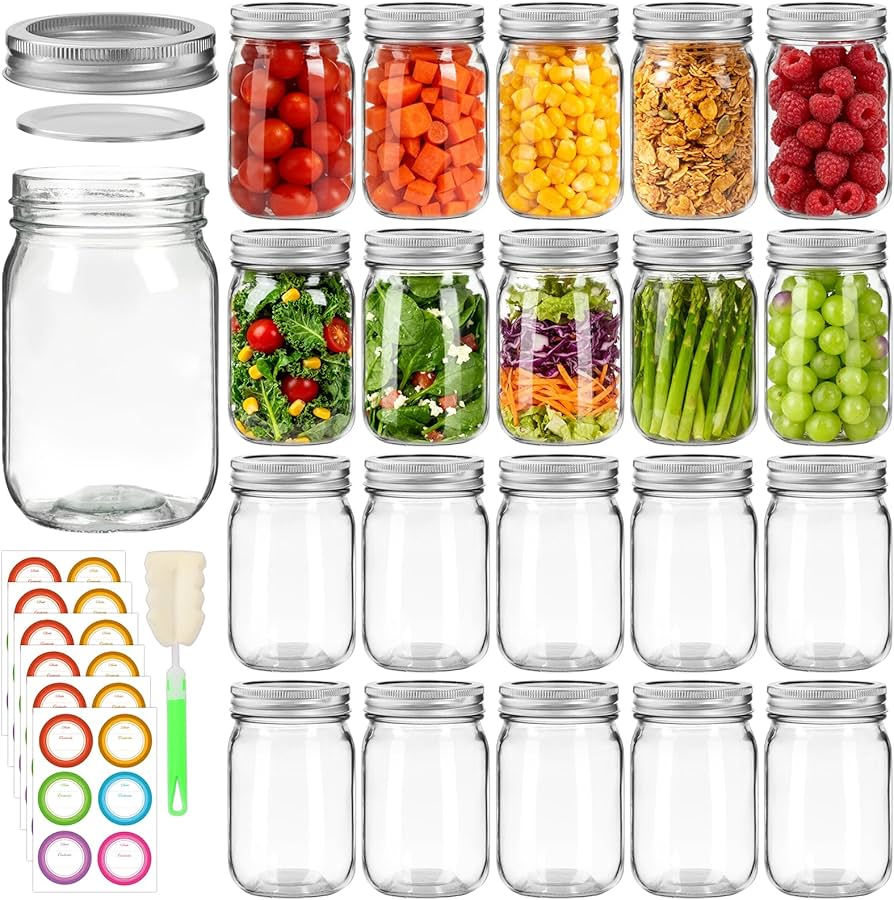
Choosing the right equipment ensures your cucumbers and onions are preserved safely. Below are essential tools for getting started with either method.


As an Amazon Associate, we may earn from qualifying purchases.
Canning cucumbers and onions safely
Cucumbers and onions are staples in home canning, but they require very different safety approaches. The core difference lies in acidity: cucumbers are high-acid vegetables, while onions are low-acid. This distinction determines whether you can use steam canning or must rely on pressure canning.
Cucumbers: High-acid and steam-cannable
Fresh cucumbers are naturally high-acid, making them suitable for steam canning when prepared as pickles. The key is acidification. You must add vinegar or lemon juice to lower the pH to 4.6 or below, which prevents the growth of harmful bacteria like botulism.
When canning pickles, follow tested recipes from reliable sources such as the National Center for Home Food Preservation or Ball® Mason Jars. These recipes ensure the correct balance of acid, salt, and sugar. Steam canning is an efficient method for these high-acid foods, reducing processing time compared to traditional water bath canning.
Onions: Low-acid and pressure-canned
Onions are low-acid vegetables, meaning they cannot be safely steam canned or water bath canned on their own. To preserve plain onions, you must use a pressure canner. The high temperatures reached in a pressure canner (240°F/116°C) are necessary to destroy botulism spores that thrive in low-acid environments.
If you want to steam can onions, you must acidify them significantly by pickling them in a vinegar-based brine. This transforms them into a high-acid product, similar to cucumbers. Without this acidification step, steam canning onions poses a serious safety risk.
Safety first: Trust tested recipes
Regardless of the canning method, always use tested recipes. DIY modifications to acidity levels or processing times can lead to unsafe conditions. For cucumbers, stick to pickle recipes that specify steam canning times. For onions, either pressure can them plain or use a pickled recipe designed for steam canning.
The table below summarizes the safe methods for each vegetable.
Choosing the right method for your jars
Selecting between steam and pressure canning isn't just about which machine sits on your stove; it’s about matching the tool to the food’s chemistry and your safety requirements. While both methods produce shelf-stable jars, they operate under fundamentally different rules. Steam canning is strictly for high-acid foods, whereas pressure canning is the only safe method for low-acid vegetables like cucumbers and onions when processed without excessive vinegar.
When to choose steam canning
Steam canning is the faster, simpler option, but it comes with rigid restrictions. You can only use this method for foods with a pH of 4.6 or lower. This includes fruits, pickled vegetables, and tomatoes with added acid. If you are canning plain pickles or onion relish that meets the required acidity standards, steam canning offers shorter processing times and uses less energy. However, it does not reach the high temperatures needed to destroy botulism spores found in low-acid environments.
When to choose pressure canning
Pressure canning is the non-negotiable standard for low-acid foods. Cucumbers and onions, when processed in a standard pickling brine that does not meet the strict acidity thresholds for steam canning, must be pressure canned. This method heats jars to 240°F (116°C), a temperature only achievable under pressure. If you plan to can plain cucumbers, garlic-infused onions, or any vegetable mixture that isn't sufficiently acidified, pressure canning is the only safe choice. It also handles larger jar sizes, including quarts, with greater reliability than steam canners, which often struggle with heat distribution in larger volumes.
Decision checklist
Use this quick guide to determine which method fits your current project:
- Do you have a pressure canner? If yes, you have the option to can both high and low-acid foods safely. If no, you are limited to steam canning for high-acid items only.
- Are you canning cucumbers or onions? If these are being processed as plain vegetables or in a low-acid brine, you must use a pressure canner. If they are pickled in a high-acid vinegar solution that meets tested guidelines, steam canning is an option.
- Are you using quart jars? Steam canners often have limited capacity and may not accommodate quart jars effectively. Pressure canners routinely handle quarts with ease.
- Do you prioritize speed? Steam canning generally has shorter processing times for high-acid foods, making it faster for small batches of pickles or jams.
If you are unsure about the acidity of your recipe, always defer to a tested source like the National Center for Home Food Preservation. When in doubt, pressure canning is the safer default for vegetables.
Frequently asked questions about canning
Choosing the right method depends on the food's acidity and the equipment you have on hand. Steam canning is safe for high-acid foods like pickled cucumbers, but pressure canning is required for low-acid vegetables like onions to prevent botulism.
The primary difference lies in temperature. Pressure canners reach 240°F (116°C), which is necessary to destroy heat-resistant spores in low-acid foods. Steam canners only reach 212°F (100°C), which is sufficient only when the food’s natural or added acidity inhibits bacterial growth.
No comments yet. Be the first to share your thoughts!