

why steam canning works
Steam canning uses boiling steam to heat jars, offering a faster, more energy-efficient alternative to traditional water bath canning. While it was once dismissed by food safety experts, recent research validates it as a safe method for high-acid foods. If you are preserving fruits, pickles, jams, or salsas, steam canning is a valid option that requires less water and heats up quicker than submerging jars in a boiling bath.
The safety threshold for steam canning is strict: it is only approved for foods with a pH of 4.6 or below. This includes most fruits, pickled vegetables, and jams. It is not suitable for low-acid foods like green beans, corn, or meats, which require the higher temperatures of pressure canning to prevent botulism. Always use research-tested recipes to ensure your pH levels are safe for this method.
Steam canners are excellent for small-batch preserving. Because they hold less water than large water bath pots, they boil dry faster, which limits processing times. Most steam canners are not designed for processes longer than 45 minutes. For longer processing needs, a water bath canner or pressure canner remains the safer choice.
How to use a steam canner safely
Steam canning is a fast, efficient method for preserving high-acid foods like pickles, jams, and fruits. However, because steam canners hold less water than traditional water bath canners, they require strict adherence to safety protocols to prevent the base from boiling dry. Unlike pressure canners, which handle low-acid vegetables, steam canning is exclusively for foods with a pH of 4.6 or below.
Follow these steps to ensure safe processing every time.
The water level in your steam canner base must be sufficient to generate steady steam without evaporating too quickly. For raw-packed foods, start with water at 140°F. If you are using hot-packed foods, the base water should be closer to 180°F. This initial temperature helps jumpstart the steam generation as soon as the jars are added.
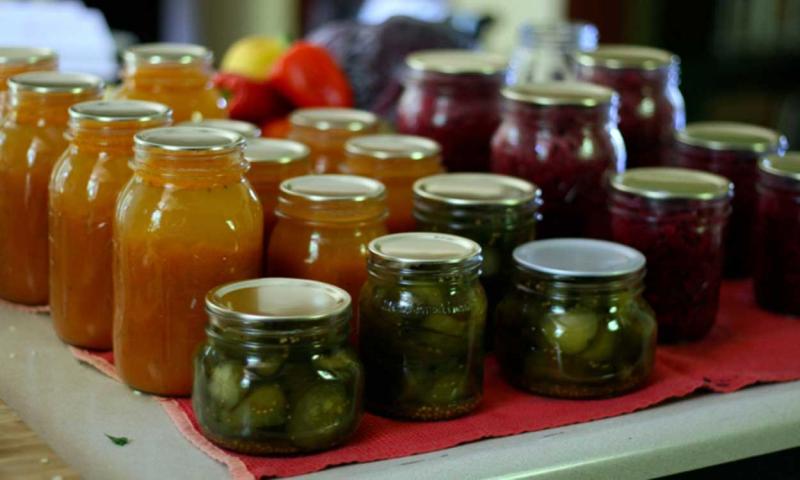
Place filled jars into the preheated canner on the rack. Ensure the jars are stable and not touching each other excessively. Close the lid tightly to trap the steam. The goal is to create a consistent, hot environment around the jars rather than submerging them in boiling water.
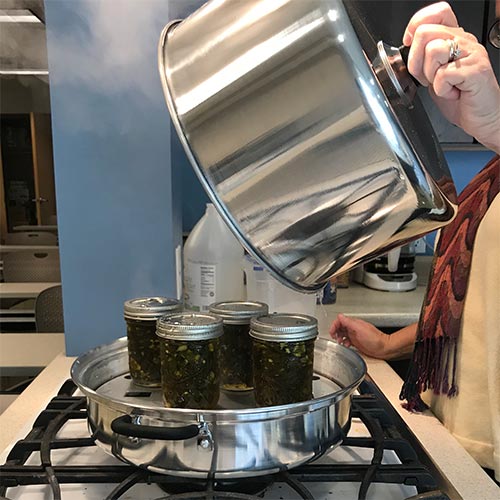
Start your timer only after the canner has reached a steady steam state. Steam canners are not designed for long processing times. The maximum safe processing time is 45 minutes. Any recipe requiring longer processing risks boiling the water reservoir dry, which can lead to unsafe canning conditions or damage to the equipment.
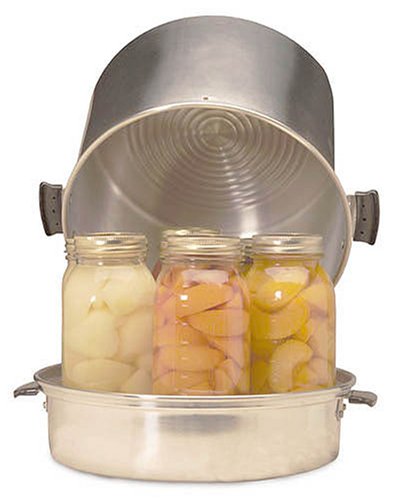
Do not leave the canner unattended for the entire duration, especially if you are new to the method. Once the time is up, turn off the heat and let the pressure release naturally before carefully removing the lid to avoid steam burns. Let the jars sit undisturbed for 24 hours to seal properly.
By sticking to these limits and temperature guidelines, you can safely preserve your harvest without the complexity of pressure canning. Always refer to tested recipes from reliable sources like the National Center for Home Food Preservation to ensure your pH levels are correct.
Best steam canner designs
Steam canners generally fall into two distinct categories: the traditional single-tier model and the dual-purpose steamer-canner. Both are safe for high-acid foods (pH 4.6 or below), but they serve different kitchen workflows. Single-tier units are lighter and use less water, making them easier to handle for those with limited mobility. Dual-purpose models offer more capacity and versatility, functioning as both a canner and a vegetable steamer.
| Design Type | Batch Capacity | Common Material | Steaming Function |
|---|---|---|---|
| Single-tier | 4-6 pints | Aluminum or stainless steel | No |
| Dual-purpose | 6-9 pints | Stainless steel | Yes |
Single-tier steam canners, like the All American Precision Steam Canner, are often preferred for their simplicity. They have a dedicated water reservoir in the base and a single rack for jars. Because they hold less water, they reach a rolling boil faster, which reduces overall energy use. However, their smaller footprint means you can only process one layer of jars at a time. This makes them ideal for small batches of jams, pickles, or fruit preserves, but less practical for large-scale preserving.
Dual-purpose models, such as the Presto Stainless Steel Steam Canner, add a second tier that doubles as a steamer basket. This design allows you to process more jars simultaneously or use the top tier for vegetables while the bottom handles jars. These units are typically made of stainless steel, which is durable and resistant to corrosion. The trade-off is weight; they are heavier and require more water to generate sufficient steam. They are better suited for households that preserve in larger volumes or want a single pot that replaces both a steamer and a canner.
Top rated steam canner picks
Choosing the right steam canner comes down to two factors: capacity and durability. Since steam canners rely on a smaller water reservoir than traditional boiling water bath canners, you need a unit that can handle the heat for the full processing time without boiling dry. For most home canners, the goal is to fit standard quart jars while ensuring the base is thick enough to distribute heat evenly.
Steam canning is a safe, energy-efficient alternative to boiling water bath canning for high-acid foods with a pH of 4.6 or below. This includes most fruits, pickles, jams, and jellies. However, because the water reservoir is shallow, these units are not suitable for processing times exceeding 45 minutes, as they risk boiling dry. The following recommendations are selected based on their ability to hold quart jars securely and withstand repeated heating cycles.


As an Amazon Associate, we may earn from qualifying purchases.
Reusing canning lids safely
Modern canning lids fall into two categories, and only one is truly reusable. The flat metal lids with the rubbery sealing compound are designed for a single use. Once heated, the compound softens to create an airtight seal, and the metal itself deforms slightly to lock in place. Trying to reuse these flat lids is unsafe; the sealing compound may not adhere properly, leading to seal failure and potential food spoilage. For high-acid foods like pickles, salsa, or jams, a compromised seal is a significant health risk.
In contrast, the screw bands (or rings) that hold the lid in place are made of durable metal and can be reused indefinitely. They do not participate in the sealing process; their only job is to keep the lid steady during processing. You can clean them, dry them thoroughly to prevent rust, and store them for your next canning session. Just make sure to discard any bands that are deeply rusted or bent, as they won't grip the jar threads securely.
The seal check
Always perform a "pop" test after your jars have cooled for 12 to 24 hours. Press the center of each flat lid; if it doesn't flex up and down, the seal is good. If it pops, the jar didn't seal properly. Refrigerate these items and consume them quickly, or reprocess them with a new flat lid if you have enough processing time left in your steam canner schedule.
Steam canner questions answered
Steam canning is a quick and simple method for preserving high-acid foods, but it comes with specific limits that differ from traditional water bath canning. Understanding these constraints ensures your preserves are both safe and successful.
What is the maximum processing time for steam canning?
Because steam canners have a smaller reservoir of water in the bottom, you should not process foods for longer than 45 minutes. During extended periods, the water is at high risk of boiling dry, which compromises the steam pressure and safety of the canning process. For items requiring longer processing, such as certain tomatoes or mixed vegetable blends, switch to a water bath canner or pressure canner instead.
Can I use a steam canner for low-acid foods like meats or vegetables?
No. Steam canners are only safe for foods with a pH of 4.6 or below, which includes fruits, pickles, jams, and most high-acid tomato preparations. Low-acid foods like green beans, corn, or meats require the higher temperatures achieved only by pressure canning to destroy botulism spores. Using a steam canner for these items poses a serious health risk.
Do I need to add water to the canner before starting?
Yes, but the amount is minimal. You only need enough water in the bottom reservoir to generate steam for the required processing time. Unlike water bath canning, where jars are submerged, steam canning relies on the vapor. Always check the manufacturer’s instructions for your specific model, such as the Presto or All American steam canner, to determine the correct starting water level.
No comments yet. Be the first to share your thoughts!