
Canning Energy Use: A Quick Look
Imagine you’ve just harvested a bumper crop of tomatoes and are planning to spend the day making sauce. You’ve got your recipe, your jars sterilized, and you’re ready to go. But have you ever stopped to think about how much energy it takes to actually can that sauce? Most of us focus on the process itself, not the energy used to heat all that water or create steam. It’s easy to assume it’s just "hot water’ or ‘steam", but the differences between water bath canning and steam canning can add up.
For many canners, energy efficiency hasn’t been a primary concern. However, as energy costs fluctuate and environmental awareness grows, it’s becoming increasingly relevant. We’re looking ahead to 2026, a time when energy prices are projected to continue shifting, and the energy grid may look quite different in many areas. Understanding which canning method is more energy-efficient now—and how that might change—is a smart move for any home canner.
This isn’t about guilt-tripping anyone over their canning choices. It’s about making informed decisions. We’ll break down the energy consumption of both methods, look at potential cost changes, and explore ways to minimize your canning footprint. We’ll also see how newer canning equipment might impact energy use in the coming years. Let’s get started.
Water Bath Canning: The Baseline
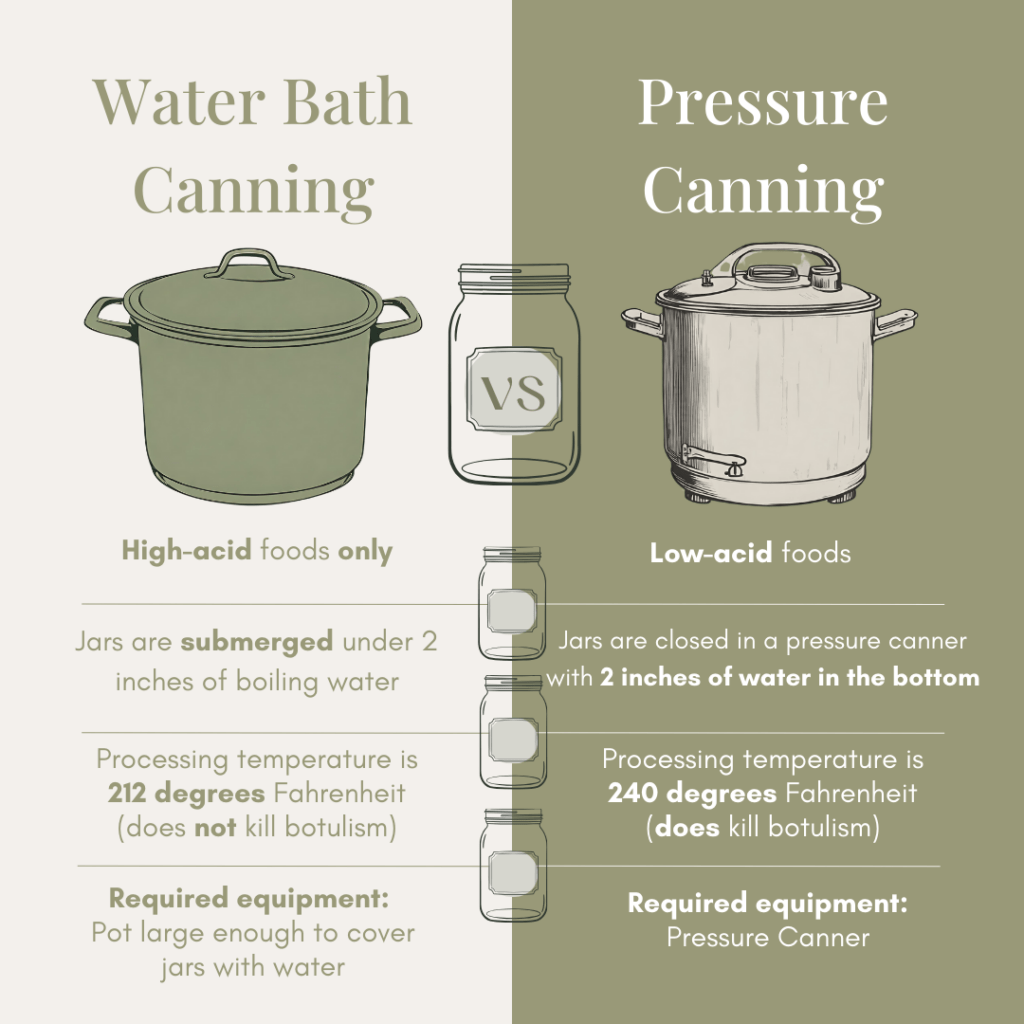
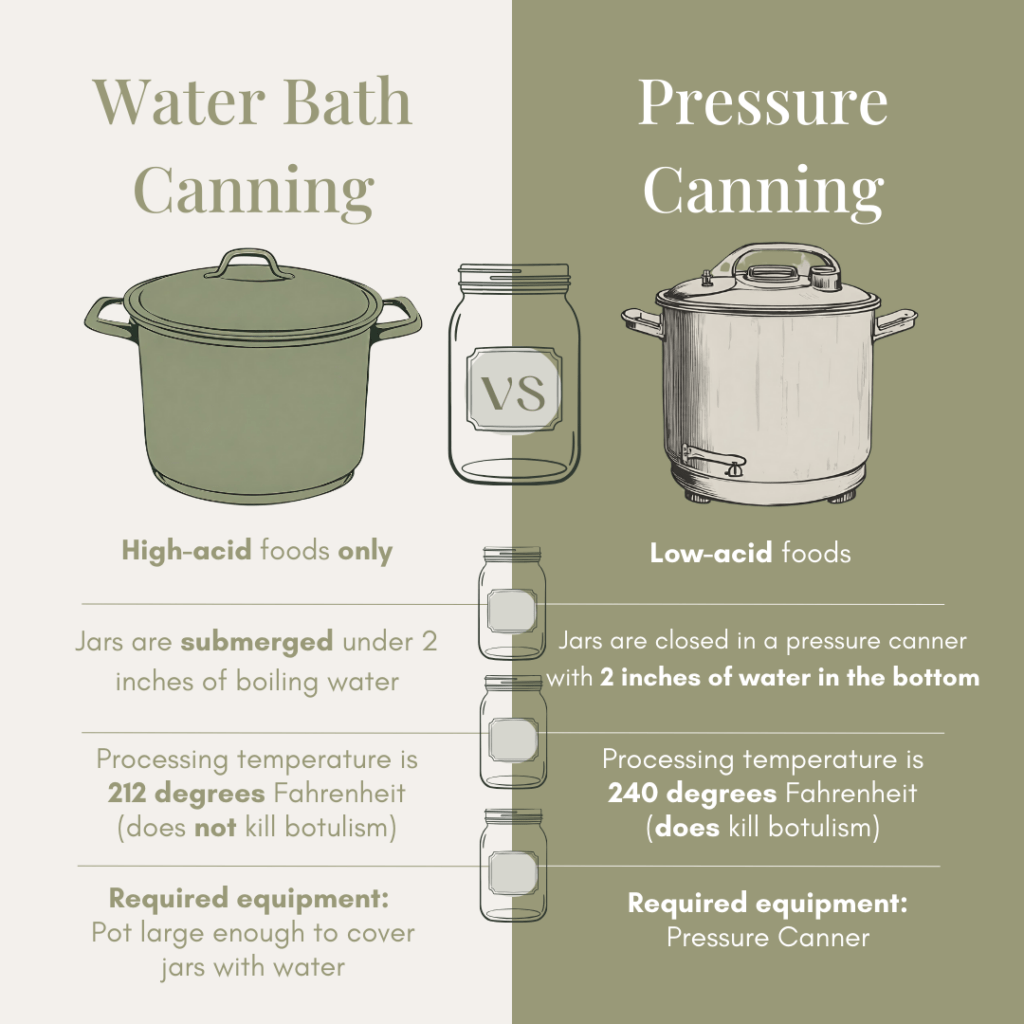
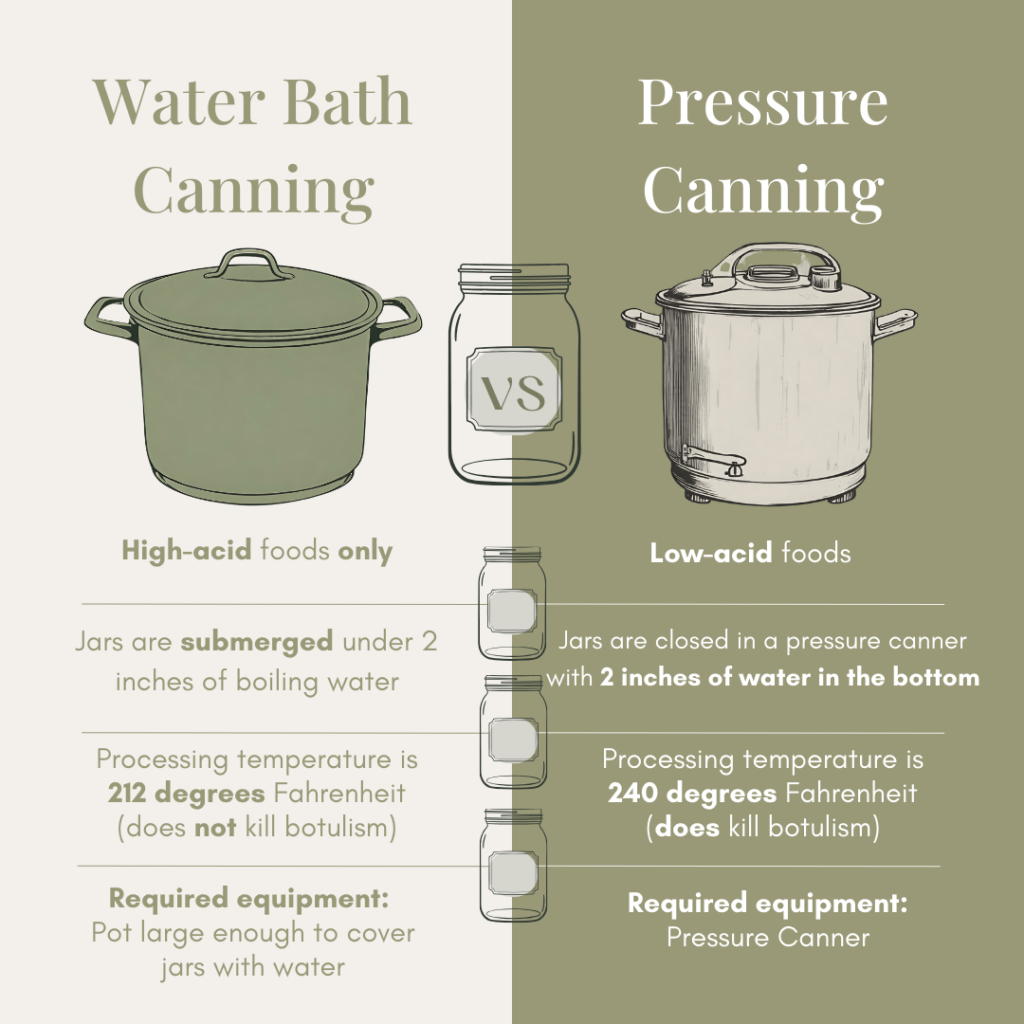
Water bath canning is the method most people are familiar with. It involves submerging filled jars in boiling water for a specified amount of time to create a vacuum seal. Typically, you’ll need a large stockpot – often 20 quarts or larger – to ensure the jars are fully covered with at least 1-2 inches of water. The amount of water used varies depending on the size of your jars and pot, but it’s usually around 8-12 quarts per batch.
Heating that much water requires significant energy, whether you’re using an electric or gas stove. Electric stoves rely on resistance heating, converting electrical energy into heat. Gas stoves use combustion, burning natural gas or propane to generate heat. Both methods take time—often 30-60 minutes just to bring the water to a rolling boil. And that's before you even start the timed processing period. Keep in mind that larger batches require even longer heating times.
A major factor in water bath canning energy use is heat loss. Water constantly evaporates during the boiling process, requiring you to add more hot water to maintain the proper level. Heat also escapes from the pot into the surrounding air, especially if your pot doesn’t have a tight-fitting lid. The material of the pot also matters; stainless steel retains heat better than thinner enamel-coated pots. You’ll notice this if you’ve ever tried to keep a large pot of water simmering for an extended period.
Altitude adjustments also play a role. At higher altitudes, water boils at a lower temperature, so you need to increase the processing time to achieve the same level of preservation. This means even more energy is used to maintain the boiling temperature for a longer duration. While altitude adjustments are essential for safety, they do increase the overall energy demand of water bath canning.
Steam Canning: How It Differs
Steam canning offers a different approach to heat processing. Instead of fully submerging jars in boiling water, steam canners use a smaller amount of water—typically just a few inches—to generate steam that surrounds and heats the jars. This dramatically reduces the amount of water needed compared to water bath canning.
A steam canner consists of a base with a water reservoir, a rack to hold the jars above the water, and a dome-shaped lid to trap the steam. The water is heated to create steam, which then circulates around the jars, providing the necessary heat for processing. Proper venting is crucial – the canner must be vented for a specific time, usually 10 minutes, to ensure all the air is purged and only pure steam remains.
Maintaining a consistent steam flow is also essential. The canner’s lid must fit tightly to prevent steam from escaping. Steam canners also require a consistent heat source to maintain the appropriate steam pressure. This is why many canners prefer using a flat-bottomed burner rather than a smaller burner.
There's been some historical debate surrounding steam canning, with the NCHFP (National Center for Home Food Preservation) initially expressing concerns. However, current guidance from the NCHFP, as of late 2023, acknowledges that properly designed steam canners are safe for processing high-acid foods like jams, jellies, pickles, and tomatoes. It’s important to choose a canner that meets these safety standards and to follow the manufacturer’s instructions carefully.
Energy Consumption: A Head-to-Head
Comparing the energy consumption of water bath and steam canning isn’t straightforward. It depends on several factors, including the size of the pot or canner, the energy source, and the efficiency of your stove or burner. However, we can break down the energy use into key stages to get a clearer picture.
With water bath canning, a significant amount of energy is used to heat the large volume of water initially. Maintaining that temperature requires continuous energy input to compensate for heat loss through evaporation and radiation. Steam canning requires less energy to heat the smaller volume of water, and because the jars are surrounded by steam, heat loss is reduced. The steam itself transfers heat very efficiently.
The type of pot or canner also matters. A heavy-bottomed stainless steel pot will retain heat much better than a thin aluminum or enamel pot. Similarly, a well-designed steam canner with a tight-fitting lid will minimize steam loss. Considering these factors, steam canning generally requires less energy overall, but the difference can vary.
Energy costs also vary dramatically depending on your location and energy source. If you’re paying a high price for electricity, the energy savings from steam canning will be more significant. If you’re using a relatively inexpensive natural gas stove, the difference might be less noticeable. It’s difficult to provide precise energy usage numbers without knowing your specific setup and energy rates. This comparison is largely qualitative, focusing on the principles involved.
- Water Bath Canning Energy Stages: Heating water, maintaining boil, compensating for heat loss.
- Steam Canning Energy Stages: Heating water to create steam, maintaining steam pressure, minor heat loss from canner.
Steam Canning vs. Water Bath Canning: Energy & Resource Comparison (Projected for 2026)
| Factor | Water Bath Canning | Steam Canning |
|---|---|---|
| Water Usage | High – Requires complete submersion of jars | Low – Significantly less water needed, focused on steam generation |
| Energy Input | Moderate – Heating a large volume of water takes time and energy | Potentially Lower – Smaller water volume heats faster, but relies on consistent steam production |
| Heat Loss | Higher – Significant heat loss through evaporation and conduction into surrounding air | Lower – More contained heating environment; less heat escapes |
| Processing Time | Generally Longer – Time to bring large water volume to boil and maintain temperature | Potentially Shorter – Faster heat-up, but requires monitoring for consistent steam |
| Equipment Cost | Lower – Basic equipment is readily available and generally inexpensive | Higher – Requires a dedicated steam canner unit |
| Ease of Use | Familiar – A widely understood and practiced method | Learning Curve – Requires understanding of steam canning principles and proper setup |
| Suitability | Versatile – Suitable for most high-acid foods | Limited – Primarily for high-acid foods; check current recommendations for specific products |
| Initial Setup | Simple – Fill pot with water, bring to boil | More Involved – Requires proper canner assembly and water reservoir filling |
Qualitative comparison based on the article research brief. Confirm current product details in the official docs before making implementation choices.
Cost Projections for 2026
Looking ahead to 2026, predicting energy prices is challenging. However, most analysts anticipate continued price volatility for both electricity and natural gas. The increasing adoption of renewable energy sources, like solar and wind, could potentially lower electricity costs in some regions, but grid infrastructure limitations and intermittency issues could also lead to price spikes.
If natural gas prices remain high, the energy savings from steam canning will become even more significant. Conversely, if electricity costs decrease substantially due to the growth of renewables, the cost difference between the two methods might narrow. It's reasonable to expect that, in many areas, electricity will remain more expensive than natural gas, giving steam canning an advantage.
We might also see improvements in canning equipment design that further enhance energy efficiency. Manufacturers could develop more insulated canning pots and steam canners, or incorporate features that reduce heat loss. While it's difficult to predict specific innovations, the trend toward energy-efficient appliances suggests that these improvements are likely. It’s reasonable to estimate a potential 5-10% reduction in energy use with newer equipment by 2026.
Beyond the Canner: Reducing Your Canning Footprint
Reducing your canning footprint goes beyond simply choosing the most energy-efficient method. There are many other ways to minimize your environmental impact throughout the entire canning process. Sourcing produce locally reduces transportation emissions and supports local farmers. Efficiently prepping ingredients—chopping, peeling, and slicing—minimizes processing time and energy use.
Using energy-efficient appliances, such as induction cooktops, can also make a difference. Induction cooktops heat cookware directly, rather than heating the surrounding air, resulting in faster heating and less energy waste. Properly insulating canning pots with blankets or towels can help reduce heat loss during the heating and simmering phases.
Consider the environmental impact of jar production and disposal. Reusing jars is a great way to reduce waste, but be sure to inspect them carefully for cracks or chips. When you do need to dispose of jars, recycle them whenever possible. Every small step helps to minimize your overall environmental impact.
Steam Canners & Water Bath Canning: Product Roundup
Ready to explore some options? Here's a selection of steam canners and water bath canning kits currently available. Please note that prices are subject to change.
Steam Canners:
Ball Steam Canner: A popular choice, known for its ease of use and safety features. (Approx. $80-100 on Amazon)
Vikings Pride Steam Canner: A larger capacity option for processing bigger batches. (Approx. $120-150 on Amazon)
Water Bath Canning Kits:
Ball Complete Canning Kit: A comprehensive kit that includes a pot, rack, jar lifter, and other essential tools. (Approx. $150-200 on Amazon)
Granite Ware Water Bath Canner: A durable and affordable option made from aluminum. (Approx. $50-70 on Amazon)
- Ball Steam Canner (Amazon):
- Vikings Pride Steam Canner (Amazon):
- Ball Complete Canning Kit (Amazon):
- Granite Ware Water Bath Canner (Amazon):
Featured Products

23-quart capacity · Can be used as a pressure cooker · Durable aluminum construction
This pressure canner can also function as a cooker, offering versatility for home preservers exploring different canning methods.

21.5-quart capacity water bath canner · Includes essential canning tools like a jar rack, blancher, and colander · Enamel-on-steel construction for durability
This comprehensive kit provides a large-capacity water bath canner and necessary accessories, ideal for beginners comparing canning techniques.
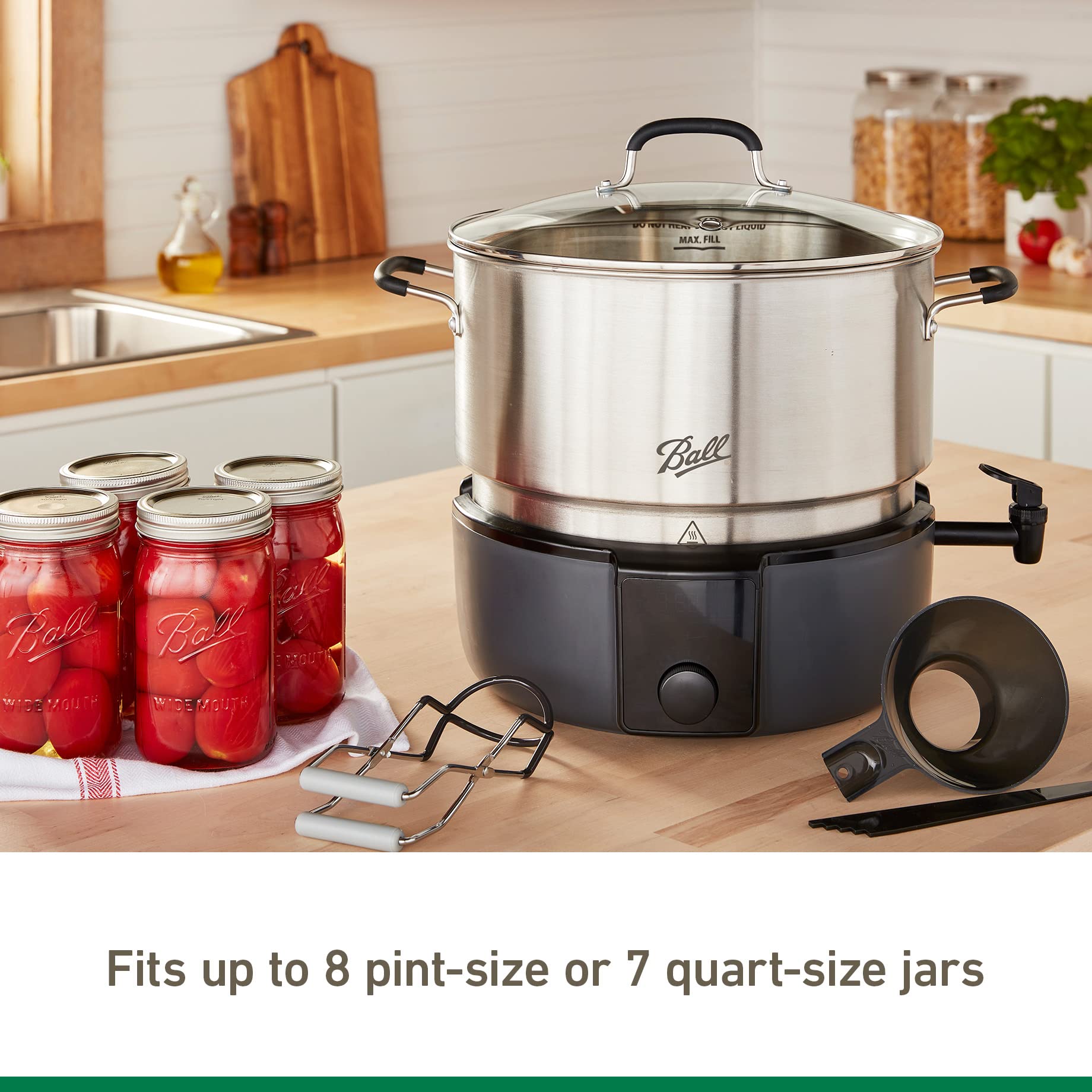
12-quart capacity · Includes a canning rack to keep jars elevated · Durable construction suitable for water bath canning
A trusted brand in home canning, this water bath canner is a reliable option for those testing energy efficiency between methods.

20-quart capacity · Suitable for both water bath and steam canning · Works on all stovetops, including induction
This versatile stainless steel pot can be used for both water bath and steam canning, making it a practical choice for direct energy comparison.

Stainless steel water bath canner with rack and lid · Includes starter tools like a ladle, measuring cups, and funnel · Designed for beginners
This stainless steel water bath canner kit comes with essential tools, making it an accessible option for beginners to experiment with different canning methods.
As an Amazon Associate I earn from qualifying purchases. Prices may vary.
Community Discussion: Canning Habits
We’re curious to hear from you! Which canning method do you typically use – water bath canning or steam canning – and why? Share your thoughts and experiences in the comments below. We’ll be compiling the results to share insights from the Just Canning community. Take our quick poll to let us know!
- Poll Question: Which canning method do you prefer?
- Options: Water Bath Canning, Steam Canning, Other (please specify in comments).
Which canning method do you use most often?
As energy efficiency becomes more critical in 2026, we want to know which processing technique is your current go-to. Select an option below and use the text field to explain the reasoning behind your choice.
No comments yet. Be the first to share your thoughts!