

Canning Machines: A 2026 Snapshot
Home canning is popular again. People are canning for more than just nostalgia; they want to control what goes into their food and be more self-sufficient, especially after recent supply chain issues.
Canning equipment is more varied now. You can find everything from simple manual water bath canners to advanced electric models. Canning projects are popular on social media, with many people preparing their setups for the 2026 season. One YouTube review on canning machines got over 144 views in 11 days.
This article compares electric and manual canning machines, covering their pros and cons, top models for 2026, and essential accessories.
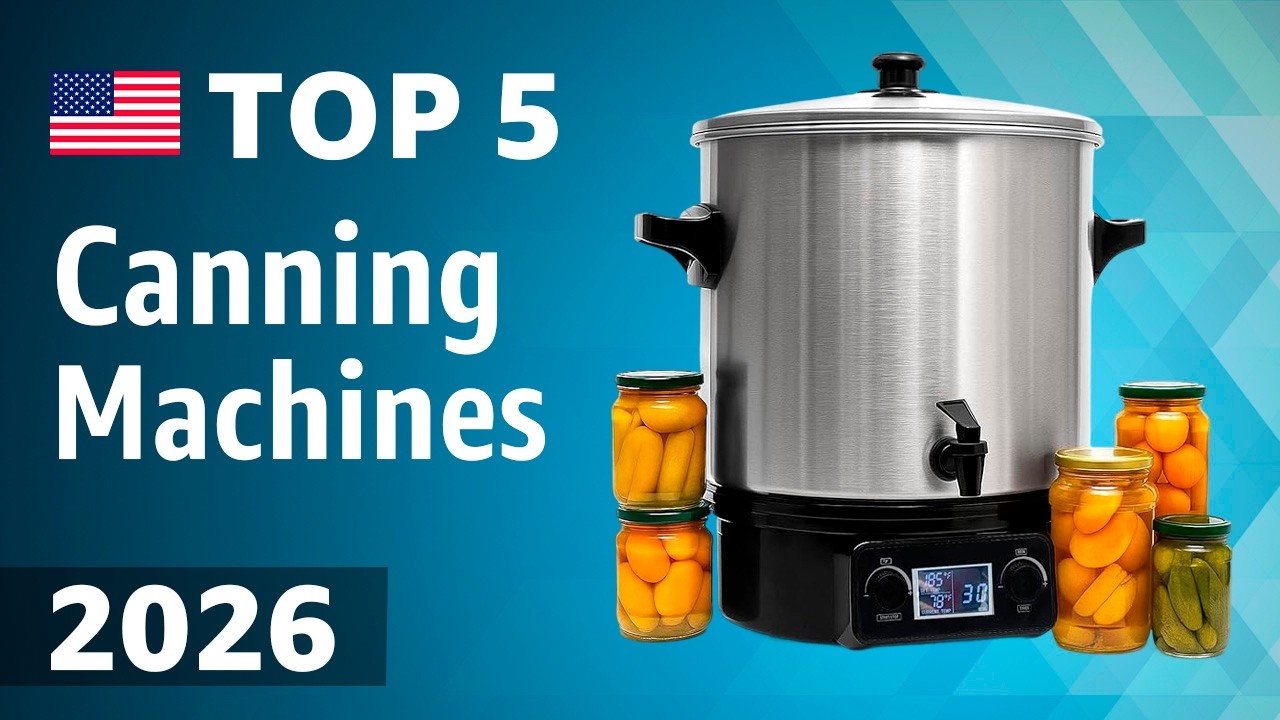
Electric Canning Machines: Speed & Convenience
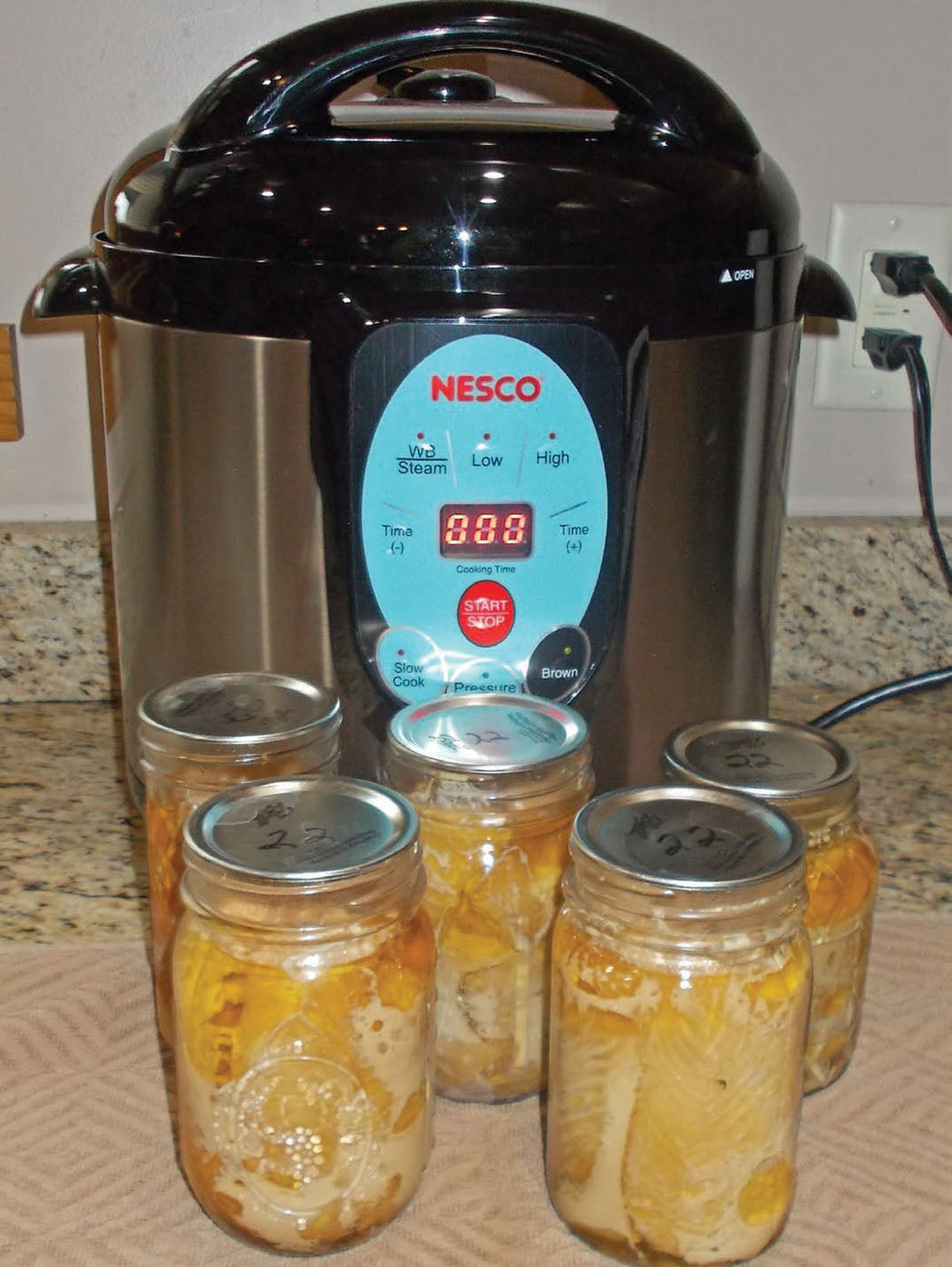
Electric canners simplify canning by automating temperature control. They work like a large slow cooker with specific canning settings. You add water, load jars, choose a setting, and the machine handles the rest.
The main benefit is convenience. Once started, you can do other things, which is great for beginners or those canning large amounts. Precise temperature control improves safety by reducing under-processing and spoilage. Automatic shut-off features add extra protection.
Electric canners require electricity, which can be an issue during power outages or off-grid use. While often easy to use, there's a learning curve to understand the settings for different foods. They are also typically more expensive than manual canners.
Some 2026 models feature digital displays, adjustable timers, and multiple processing modes. The 'best' model depends on your specific needs.
Manual Canning: Tradition & Control
Manual canning, including water bath and pressure canning, is the traditional approach. Water bath canning works for high-acid foods like fruits and pickles by submerging jars in boiling water. Pressure canning is needed for low-acid foods like vegetables and meats, requiring temperatures of 240°F to kill botulism spores.
Manual canning is much cheaper to start, needing only a large pot or a pressure canner. It doesn't require electricity, which is useful for rural areas or emergencies. Many enjoy the hands-on control and connection to tradition.
Manual canning requires more attention. You must carefully monitor water bath canners to maintain a consistent boil. Pressure canning demands even more diligence for accurate pressure regulation, which is critical for safety. Beginners face a steeper learning curve and a higher potential for errors.
Safety is critical with manual canning. Always use tested recipes from sources like the National Center for Home Food Preservation. Improperly canned food is a serious health risk. Proper jar preparation, headspace, and processing times are essential. Careful attention to detail is key.
Top Canning Machine Reviews: 2026 Edition
Here are some top canning machine options for 2026, including electric and manual models for different needs and budgets. Remember, the 'best' choice depends on your canning volume, experience, and preferences.
Ball Electric Water Bath Canner: This is a popular choice for beginners. It's easy to use, with automatic temperature control and a keep-warm function. It’s best for high-acid foods and smaller batches. Cons: It’s limited to water bath canning and can be bulky.
Presto 01781 23-Quart Pressure Canner: A classic and reliable pressure canner. It’s affordable and can handle a variety of low-acid foods. Best for those serious about pressure canning on a budget. Cons: Requires careful monitoring and practice to master.
All American 9281 18-Quart Pressure Canner: Known for its durability and versatility. It doesn’t require a rubber gasket, which simplifies maintenance. Best for experienced canners who want a long-lasting, high-quality canner. Cons: It's a significant investment.
Vikings Saga Electric Pressure Canner: This model offers a blend of convenience and functionality. It features multiple settings for different foods and an automatic pressure release. Best for those who want the safety and convenience of an electric pressure canner. Cons: Can be pricier than some other options.
Granite Ware 7-Piece Aluminum Water Bath Canner Kit: A comprehensive kit that includes a stockpot, rack, jar lifter, funnel, and more. Best for beginners who want everything they need to get started. Cons: The pot itself is relatively basic.
Instant Pot Duo Nova 7-in-1 Electric Pressure Cooker (with canning capabilities): While not solely a canner, many modern Instant Pots can be used for canning high-acid foods. Best for those who already own an Instant Pot and want to explore canning. Cons: Not suitable for all canning recipes, and may not meet the strict standards for dedicated canning machines.
Elite Gourmet Electric Water Bath Canner: A more affordable electric option, offering simplicity and ease of use. Best for occasional canners who want a convenient solution. Cons: May not have all the features of higher-end models.
Featured Products

8-quart capacity · Durable aluminum construction · Pressure cooking and canning capabilities
This is a reliable and affordable manual pressure canner suitable for smaller batches.
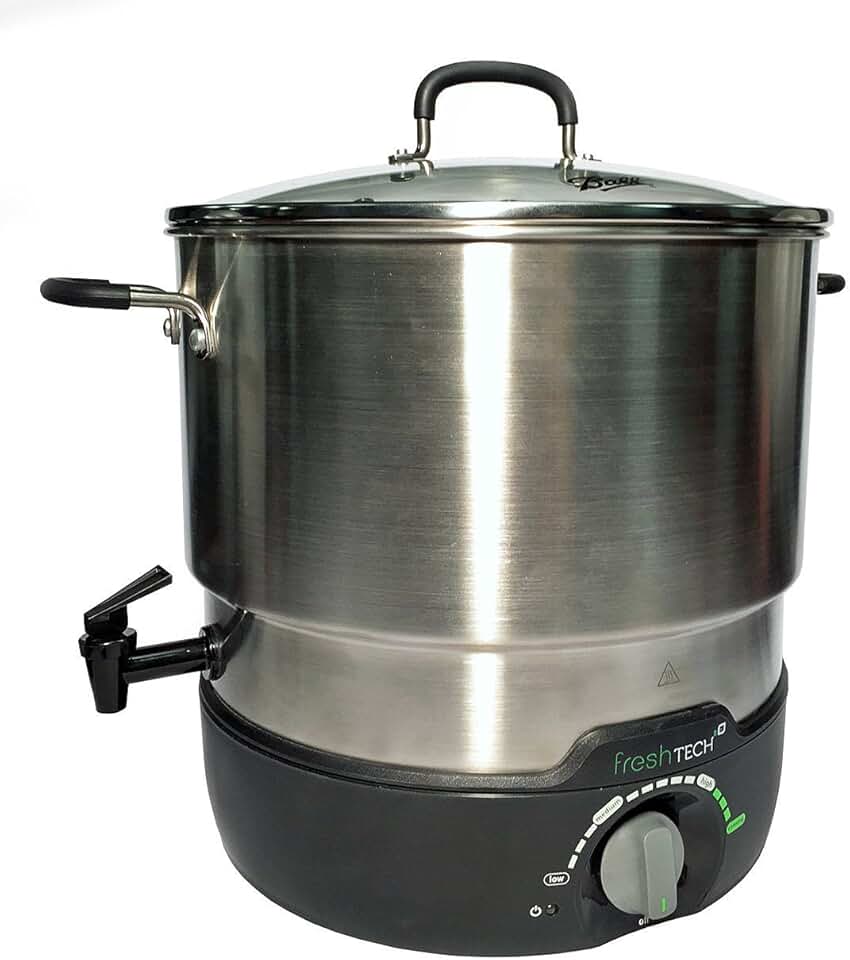
Electric water bath canning · Multi-cooker functions · Digital temperature and time control
This electric canner offers convenience and precision for water bath canning, simplifying the process.

Replacement pressure regulator · 10-PSI setting · Stainless steel construction
An essential replacement part for specific Mirro pressure canner models, ensuring continued safe operation.

20-quart capacity · Multi-functional: canner, cooker, steamer · Durable construction
This large-capacity manual pressure canner is ideal for processing significant amounts of food at once.

24.5-quart capacity · Electric water bath canning · Temperature knob control and timer with automatic insulation
This electric water bath canner provides a user-friendly experience with precise temperature and time management for various canning needs.
As an Amazon Associate I earn from qualifying purchases. Prices may vary.
Steam Canning: A Viable Alternative?
Steam canning is a newer method that uses less water than traditional water bath canning. Jars sit on a rack over boiling water, creating a steam environment. It works for high-acid foods, but specific guidelines must be followed.
The primary advantage of steam canning is its water efficiency. It also heats up more quickly than water bath canning. However, it’s not a universally accepted method. Some experts express concerns about its effectiveness and safety, particularly regarding ensuring consistent processing temperatures.
The National Center for Home Food Preservation has specific guidelines for steam canning, outlining which foods are suitable and the required processing times. It’s not a good option for beginners, and it’s essential to follow the instructions meticulously. It's a niche method, and I recommend thoroughly researching it before attempting it.
Beyond the Machine: Essential Canning Accessories
Beyond the machine, you need accessories for successful canning. Canning jars, such as those from Ball and Kerr, are essential. They come in various sizes (pint, quart, half-pint) and are tempered to withstand heat.
Flat lids are single-use because the sealing compound degrades. Screw bands can be reused if they are not rusted or damaged.
Other essential tools include a jar lifter, a wide-mouth funnel, a headspace tool, and a bubble remover.
- Canning jars (Ball, Kerr)
- Flat canning lids (single-use)
- Screw bands (reusable)
- Jar lifter
- Wide-mouth funnel
- Headspace tool
- Bubble remover
Canning Accessory Checklist
- Canning Jars - Various sizes (pint, quart, half-pint) are essential for different recipes.
- Canning Lids & Rings - Two-piece lids (flat lids and screw bands) ensure a proper seal. Check for compatibility with your jars.
- Jar Lifter - A crucial tool for safely lifting hot jars in and out of the canner.
- Wide-Mouth Funnel - Helps fill jars neatly and prevents spills. A wide-mouth funnel is versatile.
- Bubble Remover/Headspace Tool - Removes air bubbles and accurately measures headspace for proper sealing.
- Canning Rack - Keeps jars elevated off the bottom of the canner, allowing water to circulate evenly.
- Magnetic Lid Lifter - Safely retrieves sterilized lids from hot water.
- Kitchen Timer - Accurate timing is vital for processing times. Digital timers are recommended.
Troubleshooting Common Canning Issues
Canning issues can occur. If a lid doesn't seal, refrigerate the food and use it promptly or reprocess with a new lid. Siphoning, or liquid loss, can happen due to insufficient headspace, improper filling, or a cracked
Discoloration can occur with some fruits and vegetables, but it doesn’t necessarily indicate spoilage. It's often caused by enzymatic reactions. To minimize discoloration, use fresh produce and follow recommended processing times. Cloudy liquid in jars is usually harmless, but it can be a sign of pectin breakdown.
If you encounter any of these issues, consult reliable resources like the National Center for Home Food Preservation or the USDA Complete Guide to Home Canning. Don't risk consuming improperly canned food – when in doubt, throw it out. Proper preparation and adherence to tested recipes are the best ways to prevent problems.
No comments yet. Be the first to share your thoughts!