

Electric Canning: A New Era?
Canning has a long history, stretching back to the early 19th century when Nicolas Appert developed the process for preserving food in sealed jars. For generations, people have relied on canning to preserve seasonal harvests, ensuring a supply of food throughout the year. It’s a practice rooted in self-sufficiency and a connection to the land, and it remains popular today for those reasons.
But traditional canning is time-consuming and requires careful attention to detail. That’s where electric, or automated, canning machines come in. These appliances represent a relatively recent development, promising to simplify and streamline the canning process. They aim to take some of the guesswork out of canning, offering more precise temperature control and automated timing.
The benefits are clear: convenience, consistency, and potentially reduced risk of spoilage. However, they come with a higher upfront cost and a learning curve of their own. Are these machines truly worth the investment? It’s a question many home canners are asking, and the answer isn’t straightforward. It really depends on your needs, your canning volume, and your comfort level with technology.
There’s a definite debate about whether the cost justifies the convenience. Some canners swear by them, while others prefer the traditional methods they’ve used for years. We'll look at what these machines offer, and how they stack up against the tried-and-true methods of canning.
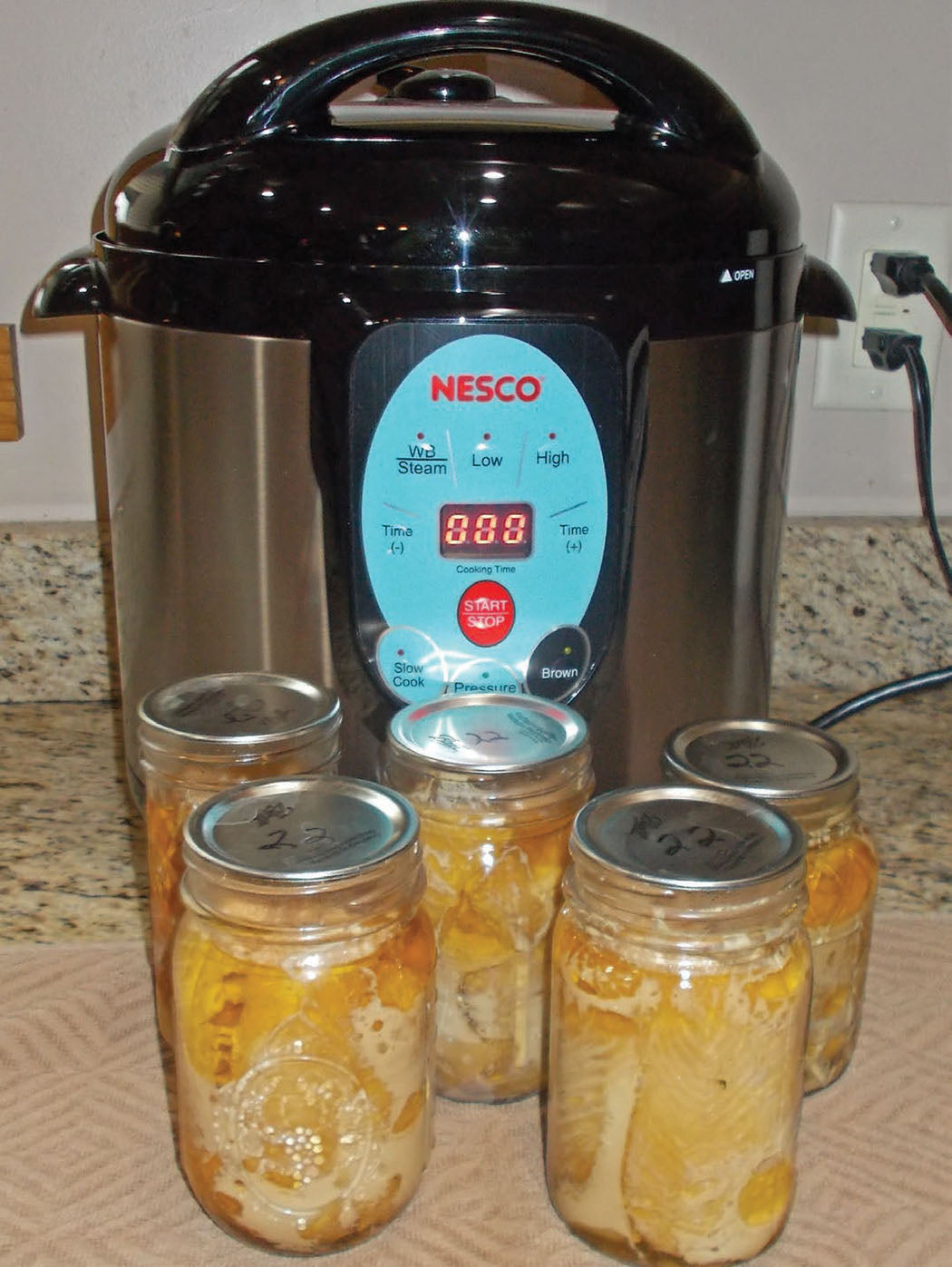
What Electric Canning Machines Do Differently
Electric canning machines automate key steps. Unlike traditional water bath canning, which requires manually maintaining a rolling boil, electric canners provide precise temperature control. They heat and hold water at the required temperature, removing the need for constant monitoring. This is particularly helpful for beginners or those who find it difficult to maintain a consistent boil.
Electric canners are also adapting to pressure canning. Traditional pressure canning demands close attention to pressure levels and venting. Many electric models now include automated venting and pressure regulation, making the process safer and more predictable by monitoring and adjusting pressure.
However, electric canners don't automate everything. Jar preparation, filling, and venting still require manual effort. Food preparation, such as chopping vegetables or making jam, remains entirely up to the user. The machine manages heating and timing, but the initial steps are still manual.
Modern electric canners include safety features like automatic shut-off and overheat protection to prevent accidents. These are valuable additions, especially for pressure canning. However, even with these safeguards, following established canning procedures remains essential.
2026 Electric Canner Roundup: Top Contenders
The electric canning machine market is evolving rapidly, with new models and features appearing regularly. Here's a look at some of the top contenders available in 2026,
The AutoCanner Pro (Presto): This model builds on Presto's reputation for reliability. It features fully automated pressure canning, with pre-programmed settings for various food types. It’s relatively easy to use, even for beginners, and boasts a large capacity. However, some users report issues with the sensor accuracy. Price is around $350.
SmartCanning System (Ball): Ball, a well-known name in canning, offers a system that integrates with a smartphone app. The app provides recipes, guidance, and remote monitoring capabilities. It’s a sleek and modern design, but it's pricier than many other options, coming in at around $450. The app connectivity is a definite plus for tech-savvy canners.
CanningCraft 3000 (HarvestPro): This machine prioritizes versatility. It can handle both water bath and pressure canning, and even offers a steam canning mode. It's a bit bulkier than some other models, but its adaptability is a major selling point. Price: approximately $300.
EasyCanner Plus (Elite Gourmet): A more budget-friendly option, the EasyCanner Plus offers basic automated features like temperature control and timer. It's a good choice for those who are new to electric canning and want to try it out without a significant investment. It lacks some of the advanced features of more expensive models, and the build quality isn't as robust. Price: around $200.
Digital Preserve (All American): All American is known for its durable, stainless steel canners. Their digital model combines that durability with automated controls. It’s a solid, reliable machine, though it’s not as feature-rich as some of the others. Price: $400.
AquaCanner (Goode Company): Specifically designed for steam canning, the AquaCanner provides a consistent and efficient steam environment. It's ideal for high-acid foods like pickles and jams. It’s a more specialized machine, and it won’t work for pressure canning. Price: $250.
Featured Products

12-quart capacity · Digital display with 10 built-in safety features · Water bath capable
This electric canner offers advanced digital controls and safety features for precise and convenient pressure canning, with the added versatility of water bath canning.

21-quart capacity · Automated heating system · Multicooker and steamer functionality
The Ball EasyCanner provides automated heating for consistent results and offers multi-functional use as a cooker and steamer, simplifying the water bath canning process.

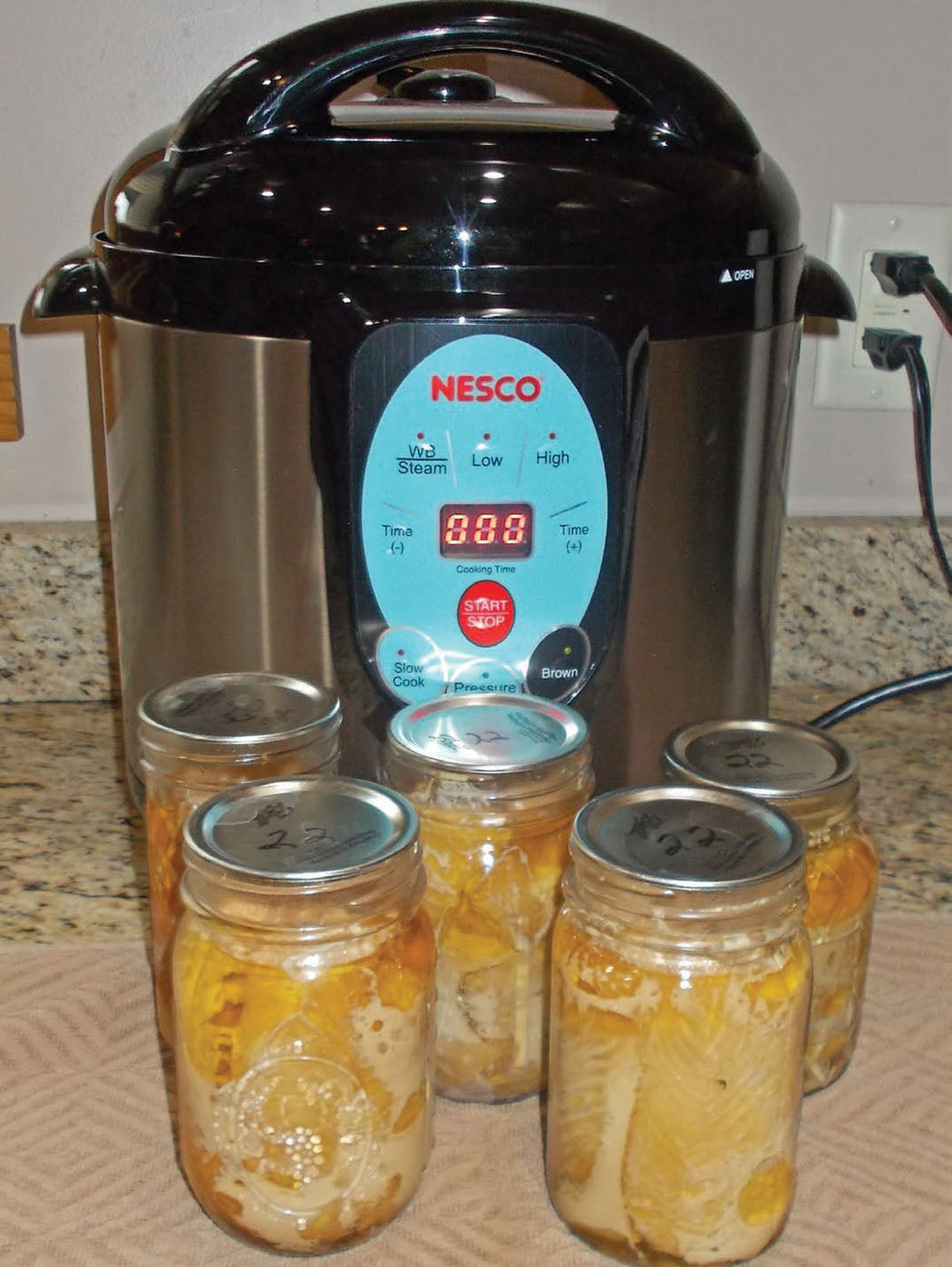
9.5-quart capacity · Electric pressure cooker and canner · Stainless steel construction
This NESCO electric canner combines pressure cooking and canning capabilities in a compact stainless steel design, offering a smart solution for efficient food preservation.

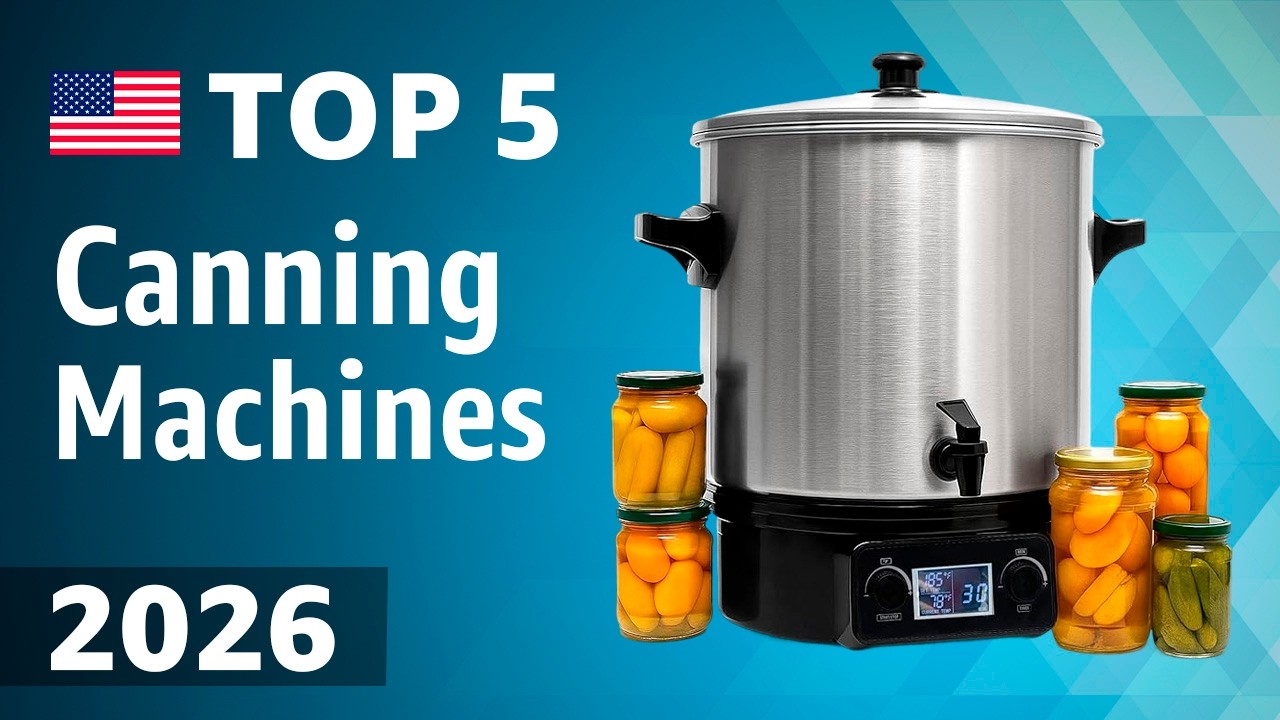
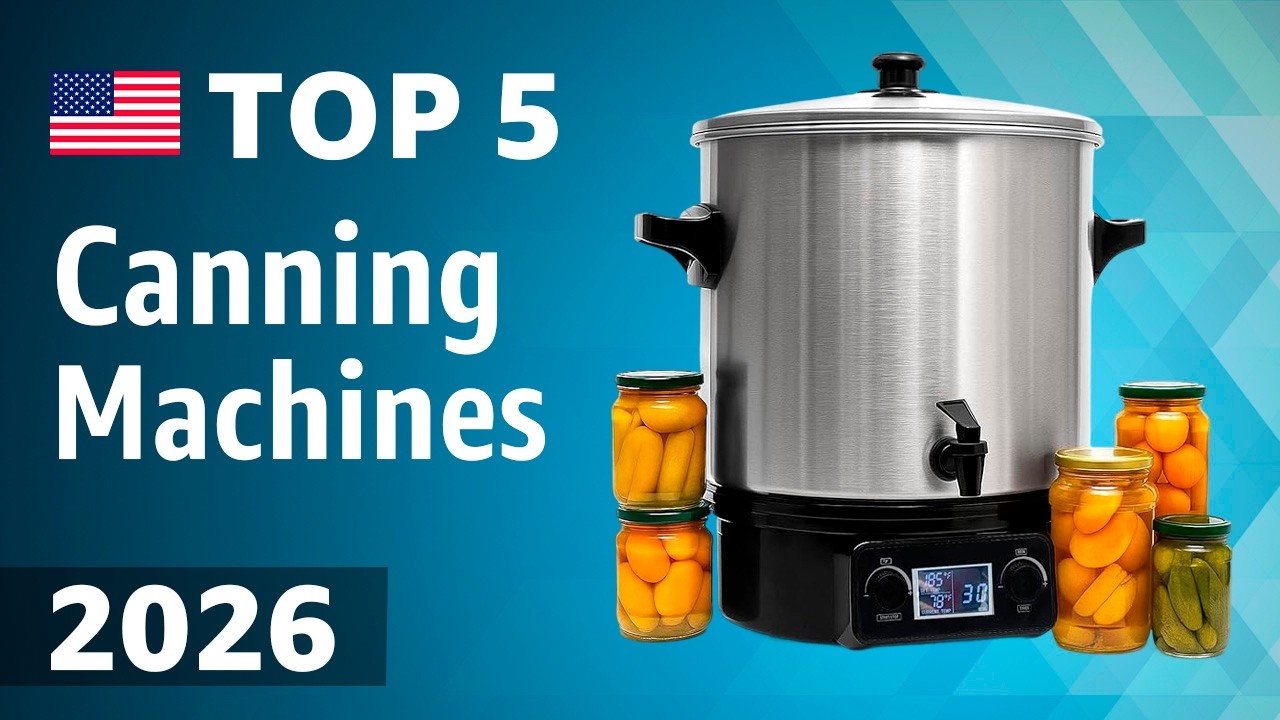
27-quart capacity · Knob control for time and temperature · LED display showing real-time and preset temperature
This large-capacity electric water bath canner features straightforward knob controls and an LED display for easy monitoring, along with an auto shut-off for added safety and convenience.
27-quart capacity · Knob control for time and temperature · LED display showing real-time and preset temperature
This large-capacity electric water bath canner features straightforward knob controls and an LED display for easy monitoring, along with an auto shut-off for added safety and convenience.
As an Amazon Associate I earn from qualifying purchases. Prices may vary.
Safety First: Electric Canning and USDA Guidelines
Safety is paramount when it comes to canning, and electric canners are no exception. The USDA (fsis.usda.gov) provides detailed guidelines for safe home canning, and it’s crucial to adhere to these recommendations, even when using an automated machine. These guidelines are based on decades of research and are designed to prevent foodborne illness.
Electric canners generally align with USDA guidelines by providing precise temperature control and maintaining the required processing times. However, they don’t replace the need for proper jar preparation, headspace, and the use of tested recipes. You still need to ensure that your jars are clean, free of cracks, and properly filled.
A common concern is whether electric canners achieve an adequate vacuum seal. A strong vacuum seal is essential for preventing spoilage. Most electric canners are designed to create a vacuum seal, but it’s important to check each jar after processing to ensure that the seal is intact. If a jar doesn’t seal properly, it should be refrigerated and consumed immediately or reprocessed with a new lid.
It’s vital to remember that an electric canner automates part of the process, but it doesn’t eliminate the need for safe canning practices. Always follow tested recipes from reputable sources, such as the National Center for Home Food Preservation (NCHFP). Don’t experiment with processing times or temperatures, as this could compromise the safety of your canned goods.
Steam Canning & Electric Machines: A Close Look
Steam canning is a method of preserving high-acid foods, like jams, jellies, and pickles, using steam instead of boiling water. It's often considered a faster and more energy-efficient alternative to water bath canning. However, it’s important to note that steam canning is not recommended for low-acid foods.
Electric canners that are specifically designed for steam canning, like the AquaCanner, offer several advantages. They provide a consistent and controlled steam environment, which can lead to more reliable results. They also eliminate the need for a large pot of boiling water, saving time and energy.
The key difference between steam canning and water bath canning is the way the heat is transferred to the jars. In water bath canning, the jars are fully submerged in boiling water. In steam canning, the jars are exposed to steam, which condenses on the lids and creates a vacuum seal. This requires a tight-fitting lid on the canner to ensure that the steam is contained.
Not all electric canners are compatible with steam canning. It’s important to check the manufacturer’s instructions to ensure that your machine is suitable for this method. Using an electric canner for steam canning when it’s not designed for it could compromise the safety of your canned goods.
Troubleshooting Common Electric Canning Issues
Like any appliance, electric canners can sometimes experience problems. Here are some common issues and troubleshooting tips. Error codes are often the first sign of trouble. Consult your machine’s manual to decipher the meaning of each code. Most manuals provide a list of possible causes and solutions.
Uneven heating can occur if the heating element is malfunctioning or if the jars are not properly arranged in the canner. Ensure that the heating element is clean and free of debris. Also, avoid overcrowding the canner, as this can impede heat circulation. Seal failures are a common concern. Ensure that the jars are properly prepared, the lids are new, and the correct headspace is used.
Sensor malfunctions can also cause problems. If the temperature or pressure sensors are not working correctly, the canner may not reach the required processing temperature. Contact the manufacturer for assistance if you suspect a sensor malfunction. Online forums and communities dedicated to canning can be valuable resources for troubleshooting. Other canners may have encountered the same issue and found a solution.
Manufacturer support is also available for most electric canners. Check the manufacturer’s website for contact information and warranty details. Don't hesitate to reach out for assistance if you're unable to resolve the issue on your own.
Electric Canner Standouts: Worth a Second Look
After reviewing the current market, a few electric canners particularly stand out. The SmartCanning System (Ball) is a clear winner for its integration with a smartphone app. While it’s the most expensive option, the convenience and guidance offered by the app are invaluable for beginner canners. The ability to remotely monitor the process is a significant advantage.
The AutoCanner Pro (Presto) also deserves a second look. It’s a reliable and easy-to-use machine that automates the entire pressure canning process. It’s a good choice for those who want a hands-off experience and don’t mind spending a bit more. Just be mindful of the potential sensor accuracy issues reported by some users.
Finally, the HarvestPro CanningCraft 3000 is a versatile option that offers both water bath and pressure canning capabilities. It’s a good value for the price and is well-suited for canners who want a single machine that can handle a variety of recipes. It's a bit larger than some of the other options, so consider your kitchen space.
The Future of Automated Canning
The future of electric canning looks promising. We can expect to see further integration with smart home devices, allowing canners to control and monitor their machines remotely. Artificial intelligence could also play a role, with machines automatically adjusting processing times and temperatures based on the type of food being canned.
Prices are likely to come down as the technology becomes more widespread. Increased competition among manufacturers will drive down costs, making electric canners more accessible to a wider range of consumers. We might also see more versatile machines that can handle a wider variety of canning tasks.
Another potential development is the integration of advanced sensors that can detect potential problems, such as jar seal failures, before they occur. This would further enhance the safety and reliability of electric canning. Ultimately, the goal is to make canning easier, safer, and more convenient for everyone.
Are you planning to purchase an electric canner in the next year?
Electric canners are gaining popularity as a modern alternative to traditional stovetop methods. Whether you are a seasoned canner or just getting started, we want to know where you stand. Vote below and share your thoughts in the comments!
No comments yet. Be the first to share your thoughts!