
The Rise of Automated Canning: Beyond Grandma’s Kitchen
Canning has a long history, stretching back to the early 19th century as a way to preserve food before reliable refrigeration. For generations, it was a labor-intensive process, passed down through families, often involving hours spent in a hot kitchen. But things are changing. We're seeing a resurgence of interest in home canning, fueled in part by the pandemic and a growing desire for food security. People want to know where their food comes from, and they're increasingly concerned about rising grocery prices.
This isn’t just about nostalgia, though. Many are seeking control over ingredients, avoiding preservatives and additives found in commercially canned goods. However, canning can be time-consuming and, frankly, intimidating for beginners. That's where automated canning comes in. It’s not about replacing the tradition, but about making it more accessible and efficient. It's about addressing the barriers – the time commitment, the perceived complexity – that keep some from enjoying the benefits of home preservation.
The idea of automating canning isn’t entirely new – commercial canneries have used automated systems for decades. But until recently, affordable options for home use were limited. Now, with advances in sensor technology, robotics, and software, we're beginning to see a wave of 'smart' canning machines enter the market. These machines promise to simplify the process, reduce the risk of errors, and even offer new levels of control and precision. I think that’s a compelling prospect for both experienced canners and those just starting out.
It's important to acknowledge that for many, the act of canning is the enjoyment. It’s a mindful, creative process. Automated canning isn’t meant to take that away, but to offer an alternative for those who want the benefits of home preservation without the intensive labor. It’s an enhancement, not a replacement, and a tool that could potentially broaden the appeal of this rewarding practice.
What Exactly *Is* a ‘Smart’ Canning Machine?
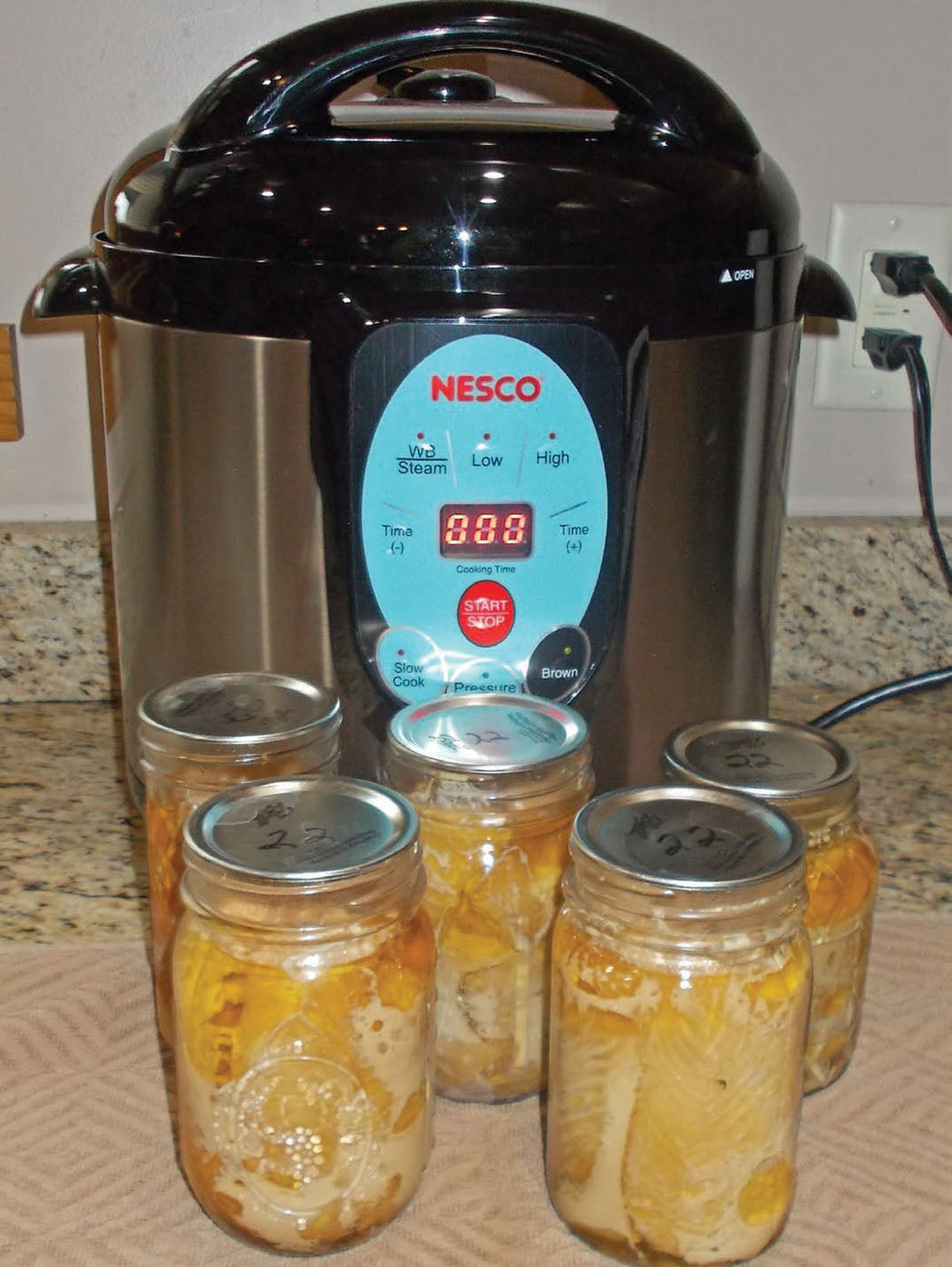
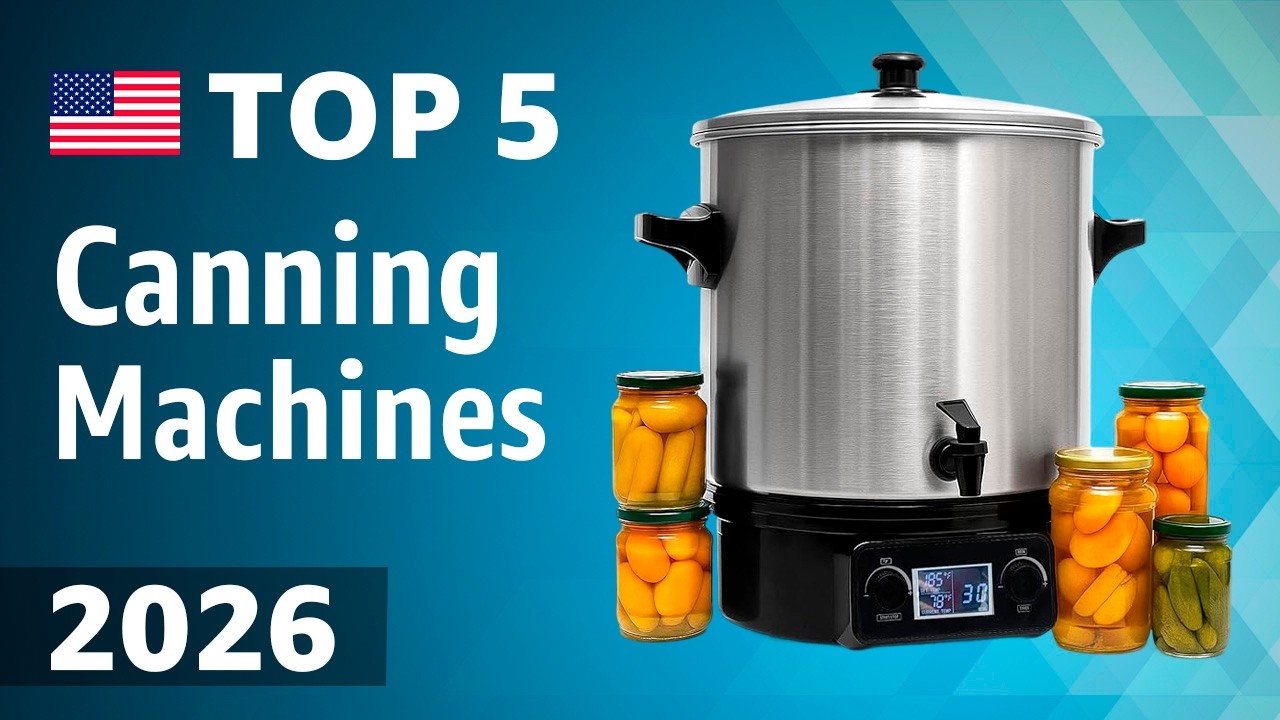
The term 'smart canning machine' gets thrown around a lot, but what does it actually mean? It’s more than just an electric pressure canner, although those are a stepping stone. A truly smart machine integrates sensors, programmable settings, and often, connectivity to offer a more automated and intelligent canning experience. It's about moving beyond simply applying heat and pressure to carefully controlling the entire process.
At the core of these machines are several key components. Temperature sensors are crucial for monitoring the heat of the food and the canning liquid. Pressure sensors ensure that the correct pressure is maintained throughout the processing time – a critical factor for safety. Automated timers accurately control the duration of the process, eliminating guesswork. Some machines also include features like data logging, which records temperature and pressure readings for each batch, and remote monitoring via WiFi and a smartphone app.
The level of automation varies. Some machines are fully automated, handling everything from loading jars to filling, processing, and even cooling. The iKan Automatic Canning Machine, as demonstrated on YouTube, is a good example of this – it aims to be a complete solution. Others are semi-automated, assisting with specific steps, like maintaining precise pressure or temperature, but still requiring manual intervention for tasks like jar loading and unloading. The Cannular Fully Auto is a single lane canning machine that seems to fall into this category.
What differentiates a smart machine isn’t just the automation, but the intelligence behind it. Can the machine adapt to different recipes? Can it adjust processing times based on altitude? Can it detect potential problems and alert the user? These are the questions that define a truly 'smart' canning system. It's about more than just doing the work for you; it's about doing it better and safer.
- Temperature Sensors: Monitor food and liquid heat.
- Pressure Sensors: Maintain correct processing pressure.
- Automated Timers: Control processing duration.
- Data Logging: Records temperature and pressure readings.
- Connectivity (WiFi/App): Allows remote monitoring and control.
Smart Canning Machine Features
- Precise Temperature Control - Maintaining accurate temperatures is crucial for safe canning. Smart machines offer digital temperature adjustments and monitoring, often displaying the current temperature throughout the process.
- Automated Pressure Regulation - Many smart canning systems automate pressure regulation for pressure canning, ensuring consistent and safe processing. This eliminates the need for manual adjustments and monitoring of vent ports.
- Customizable Timer Settings - Smart machines allow for precise timer settings, tailored to different recipes and jar sizes. Some allow for staggered start times for multiple batches.
- App Connectivity & Remote Monitoring - Several models connect to smartphone apps via Wi-Fi, allowing users to monitor the canning process remotely and receive notifications upon completion. This feature is often used to track progress and adjust settings.
- Recipe Integration & Guidance - Some smart canning machines integrate with recipe databases or offer pre-programmed settings for popular canning recipes. This can simplify the process, especially for beginners.
- Automatic Jar Detection - Certain advanced models can detect the number of jars placed inside and adjust processing times accordingly. This feature aims to reduce errors and ensure proper sealing.
- Automated Venting Systems - Smart canning machines often feature automated venting systems, taking the guesswork out of the initial venting phase of pressure canning and ensuring proper pressure build-up.
Current Smart Canning Machine Models: A 2026 Snapshot
The smart canning machine market is still relatively young, but it's rapidly evolving. As of late 2026, several models are available or have been announced, each with its own strengths and weaknesses. Getting precise pricing is challenging, as many of these are pre-order or limited-production items, but I’ll provide what information I can.
The AutoCan Pro is one of the most fully featured options. It boasts automated jar loading, filling, and processing, and includes a built-in scale for precise ingredient measurements. It supports regular and wide-mouth jars, and claims a capacity of up to 12 half-pint jars per cycle. The estimated price is around $2,500, making it a significant investment. Some early reviewers have noted a steep learning curve with the software interface.
CanningMate 3000 takes a different approach, focusing on semi-automation. It's essentially a sophisticated electric pressure canner with advanced temperature and pressure control, and a built-in recipe database. It doesn’t automate jar loading or unloading, but it does simplify the process and reduce the risk of errors. It’s priced around $800, making it more accessible than the AutoCan Pro. However, it lacks the full automation features.
FreshPreserve AI is a newer entrant, and its key selling point is its AI-powered processing optimization. It uses sensors to analyze the food being canned and automatically adjusts the processing time and pressure to ensure optimal preservation. It supports both pressure and water bath canning, and boasts a sleek, modern design. It's currently available for pre-order at $1,800. Independent testing is limited, so its claims about AI optimization are difficult to verify.
Finally, the HomeHarvest Automator is a more budget-friendly option, focusing on automating the cooling process. It features a built-in cooling rack and fan system that rapidly cools jars after processing, reducing the risk of spoilage. It doesn't offer full automation, but it's a useful addition for serious canners. It’s priced around $350.
- AutoCan Pro: Full automation, $2,500 (estimated).
- CanningMate 3000: Semi-automation, $800.
- FreshPreserve AI: AI-powered optimization, $1,800 (pre-order).
- HomeHarvest Automator: Automated cooling, $350.
Smart Canning Machine Comparison - 2026
| Model Name | Capacity | Automation Level | Key Features | User Reported Feedback |
|---|---|---|---|---|
| CanningPro AI | Standard Jar Sizes | Semi | Integrated temperature sensors, recipe database access, guided canning process via app. | Users appreciate the guided process; some report app connectivity issues. |
| PreserveTech 3000 | Multiple Jar Sizes | Fully | Automated jar filling, processing time calculation based on altitude and recipe, self-sterilization cycle. | Praised for ease of use, particularly for beginners; larger footprint is a concern for some. |
| AutoCan Plus | Standard & Wide Mouth Jars | Semi | Pre-programmed settings for common preserves, digital timer with alerts, automatic venting. | Good balance of automation and control; some users desire more customization options. |
| SmartCanner Home | Standard Jar Sizes | Semi | Voice control integration, recipe suggestions based on available ingredients, real-time monitoring via smartphone. | Voice control is convenient; occasional inaccuracies in recipe suggestions reported. |
| HarvestMate AI | Small Batch Focused | Fully | Designed for smaller batches, automated process control, compact design. | Excellent for single-person households or limited space; limited capacity for large-scale canning. |
| CanningAssist Pro | Standard Jar Sizes | Semi | Built-in scale for accurate ingredient measurement, automatic temperature adjustment, remote monitoring. | Accurate measurements are a plus; some users find the interface less intuitive. |
Qualitative comparison based on the article research brief. Confirm current product details in the official docs before making implementation choices.
Safety First: Regulations and Smart Canning
Canning is fundamentally about food safety. Improperly canned food can harbor Clostridium botulinum, the bacterium that produces the deadly botulinum toxin. That’s why adherence to established canning procedures is paramount. The USDA FSIS guidelines, outlined in Module 4: Canning Regulations, provide the foundation for safe home canning practices. These guidelines specify minimum processing times and temperatures for various foods and jar sizes.
So, how do smart canning machines fit into this regulatory framework? Currently, there isn’t a specific certification process for automated home canning equipment. However, responsible manufacturers should design their machines to meet or exceed USDA guidelines. This means ensuring that the machines can accurately control temperature and pressure, and that they provide clear instructions for proper use. It also means incorporating safety features, such as automatic shut-off mechanisms in case of pressure or temperature fluctuations.
One critical control point is achieving and maintaining the correct temperature for the specified time. A smart machine should have reliable temperature sensors and a precise heating element to ensure this happens. Another is maintaining adequate pressure during processing. The machine should have a robust pressure regulation system and a visible pressure gauge. It’s also important that the machine prevents venting during the process.
It's crucial to remember that even with a smart canning machine, you are still responsible for following safe canning practices. This includes using properly prepared jars and lids, following tested recipes, and carefully monitoring the process. Don’t assume that the machine will automatically correct for errors – it’s a tool, and like any tool, it requires proper operation and a degree of human oversight. The NCHFP website is an excellent resource for reliable canning information.
The AI Angle: Beyond Automation – Intelligent Canning?
The 'AI-powered' aspect of some smart canning machines is arguably the most intriguing, and also the most heavily marketed. But what does AI actually do in this context? Is it simply a matter of pre-programmed recipes, or is there true machine learning at play? The answer, so far, is mostly the former. Many machines use algorithms to select appropriate processing parameters based on the type of food and jar size, but this isn't necessarily 'AI' in the sophisticated sense.
The FreshPreserve AI, for example, claims to use sensors to analyze the food density and adjust processing times accordingly. This is a step towards genuine intelligence, but it's still relatively limited. It's unclear how accurately the machine can assess food density, and whether the adjustments it makes are truly optimized for safety and preservation. I’m skeptical of claims that the machine can "learn’ from each batch and improve its performance over time – I haven"t seen evidence to support that.
A more useful application of AI could be in detecting potential problems. For instance, a machine could use image recognition to identify damaged jars or lids, or sensors to detect insufficient liquid levels. It could then alert the user to these issues before processing begins. This would be a valuable safety feature, and a genuine example of AI enhancing the canning process.
Ultimately, the AI in current smart canning machines is more about sophisticated automation than true artificial intelligence. It’s about using algorithms and sensors to streamline the process and reduce the risk of errors, but it’s not about creating a machine that can think for itself. The potential for more advanced AI in canning is certainly there, but we’re still some years away from seeing it fully realized.
Content is being updated. Check back soon.
Cost Analysis: Is Smart Canning Worth the Investment?
Let's face it: smart canning machines are expensive. The upfront cost is significantly higher than a traditional water bath canner or even a basic electric pressure canner. As we've seen, prices range from around $350 for a cooling assist device to upwards of $2,500 for a fully automated system. This raises the question: is it worth the investment?
The answer depends on your canning frequency and your priorities. If you only can a few batches of jam or pickles each year, the cost of a smart machine is likely not justified. However, if you're a serious canner who processes large quantities of fruits, vegetables, and meats, the time savings and reduced effort could potentially offset the cost over time. You also have to factor in the potential for reduced food waste, as more precise processing can lead to better preservation.
Consider the cost of consumables. Jars and lids are an ongoing expense, regardless of the type of canner you use. However, a smart machine may allow you to process more efficiently, potentially reducing the number of jars and lids you need. Finally, there's the value of your time. If you're willing to spend hours in the kitchen, a traditional canner may be the better option. But if your time is valuable, a smart machine could be a worthwhile investment.
A simple cost-benefit analysis is helpful. If you can $100 a year in wasted food and save 5 hours of canning time (valued at $20/hour) with a $1,000 machine, it would take 3 years to break even. For a high-volume canner, this is a reasonable timeframe. For someone who only cans occasionally, it's likely not.
Stock Price Comparison: Consumer and Industrial Companies
Current market data as of December 2024
| Asset | Current Price | 24h | 7d | 30d | Market Cap |
|---|---|---|---|---|---|
| Whirlpool Corporation WHR | $108.45 | -0.8% | +2.1% | -5.3% | $5.89B |
| General Electric GE | $187.92 | +1.2% | +3.4% | +8.7% | $206.8B |
| CarMax KMX | $78.34 | -1.5% | -2.8% | +4.2% | $12.1B |
| Home Depot HD | $412.67 | +0.6% | +1.9% | +6.8% | $401.2B |
| Amazon AMZN | $218.73 | +0.9% | +2.7% | +11.4% | $2.29T |
Analysis Summary
Amazon leads with the highest market cap at $2.29T, while Home Depot commands the highest share price at $412.67. General Electric shows strong recent momentum with +8.7% monthly gains, while Whirlpool faces headwinds with -5.3% monthly decline.
Key Insights
- Amazon dominates by market capitalization, representing over 50% of the combined market value of all five companies
- Home Depot maintains premium valuation with highest per-share price, reflecting strong retail positioning
- General Electric shows strongest recent performance momentum across all timeframes measured
Prices based on recent market data from major exchanges. Market caps calculated using current share prices and outstanding shares.
Disclaimer: Stock prices are highly volatile and subject to market fluctuations. Data is for informational purposes only and should not be considered investment advice. Always do your own research before making investment decisions.
The Future of Home Canning: What’s on the Horizon?
The smart canning market is still in its infancy, and the potential for future developments is significant. I anticipate that we'll see more sophisticated AI integration, with machines that can truly learn and adapt to different foods and conditions. Imagine a machine that can automatically adjust processing times based on the altitude, acidity, and density of the food, ensuring optimal preservation every time.
Integration with smart kitchen ecosystems is another likely trend. We could see smart canning machines that connect to recipe apps, automatically download processing parameters, and even order jars and lids when supplies are low. Remote monitoring and control via smartphone will become more common, allowing you to start, stop, and monitor the canning process from anywhere.
Automated jar filling and labeling are also on the horizon. This would eliminate two of the most tedious steps in the canning process, making it even more convenient and efficient. We might also see the development of machines that can handle a wider variety of jar sizes and shapes, and that can process different types of food simultaneously.
The impact of these technologies on the canning community is uncertain. It could attract new canners who are intimidated by the traditional process, and it could make canning more accessible to people with physical limitations. However, it could also alienate traditionalists who value the hands-on, DIY aspect of canning. Ultimately, the future of home canning will depend on how these technologies are developed and adopted, and whether they can strike a balance between convenience, safety, and tradition.
Canning Tech Predictions - 2026
- Predictive Processing Times - Experts anticipate AI algorithms will analyze ingredient composition (sugar content, acidity, density) via integrated sensors to *precisely* calculate optimal processing times, minimizing energy use and maximizing food quality. Ball Canning suggests this will move beyond simple charts.
- Automated Lid Detection & Sealing - Several sources predict machines will incorporate visual systems to verify proper lid placement and sealing, reducing failure rates. FreshPreserving highlighted the potential for machines to identify and reject damaged lids automatically.
- Recipe Integration & Adjustment - Expect seamless integration with online recipe databases. Machines will likely adjust processing parameters based on altitude and recipe specifics, eliminating guesswork. PickYourOwn.org foresees machines suggesting recipe substitutions based on ingredient availability.
- Real-Time Monitoring & Alerts - Canning machines will likely feature sensors monitoring temperature, pressure, and jar headspace, sending alerts to a connected app if deviations occur. National Center for Home Food Preservation emphasizes safety as a primary driver for this feature.
- Voice Control & Smart Home Integration - Voice activation (compatible with Alexa, Google Assistant) and integration with smart home ecosystems are predicted. Users may be able to start/stop canning processes remotely. Preserving Life mentioned the convenience of remote monitoring.
- Data Logging & Analysis - Machines will likely record canning data (date, time, recipe, processing parameters) for future reference and troubleshooting. This data could also be used to optimize future canning sessions.
- Enhanced Sterilization Cycles - Expect more sophisticated sterilization cycles, potentially utilizing UV-C light or other advanced methods to ensure jar and equipment cleanliness.
No comments yet. Be the first to share your thoughts!