

The shift in canning materials
Canning is back. More people are putting up their own food to save money and cut down on store-bought waste. The quart jar is the workhorse of the pantry because it holds enough for a family meal, whether you're packing pickles, tomatoes, or beans.
But the world of canning jars isn’t static. For decades, glass reigned supreme, but now we’re seeing serious contenders emerge. Are glass jars still the best choice for preserving our harvests, or are materials like silicone and innovative bio-plastics ready to take their place? Recent concerns about the quality of commercially available glass—reports of thinner glass and increased breakage—have added fuel to this debate.
Data on new materials is thin. We don't have twenty years of testing for silicone or bio-plastics yet, so these comparisons rely on current manufacturing specs and early user reports. Here is how the materials actually stack up.
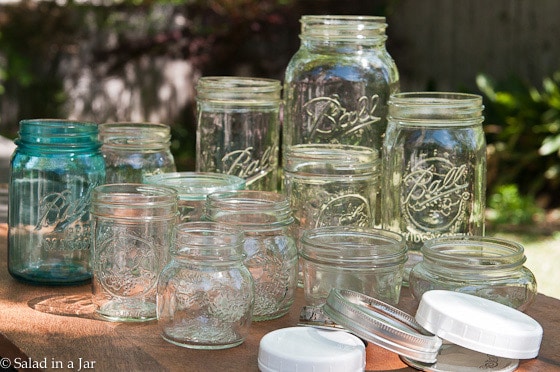
Glass remains the standard
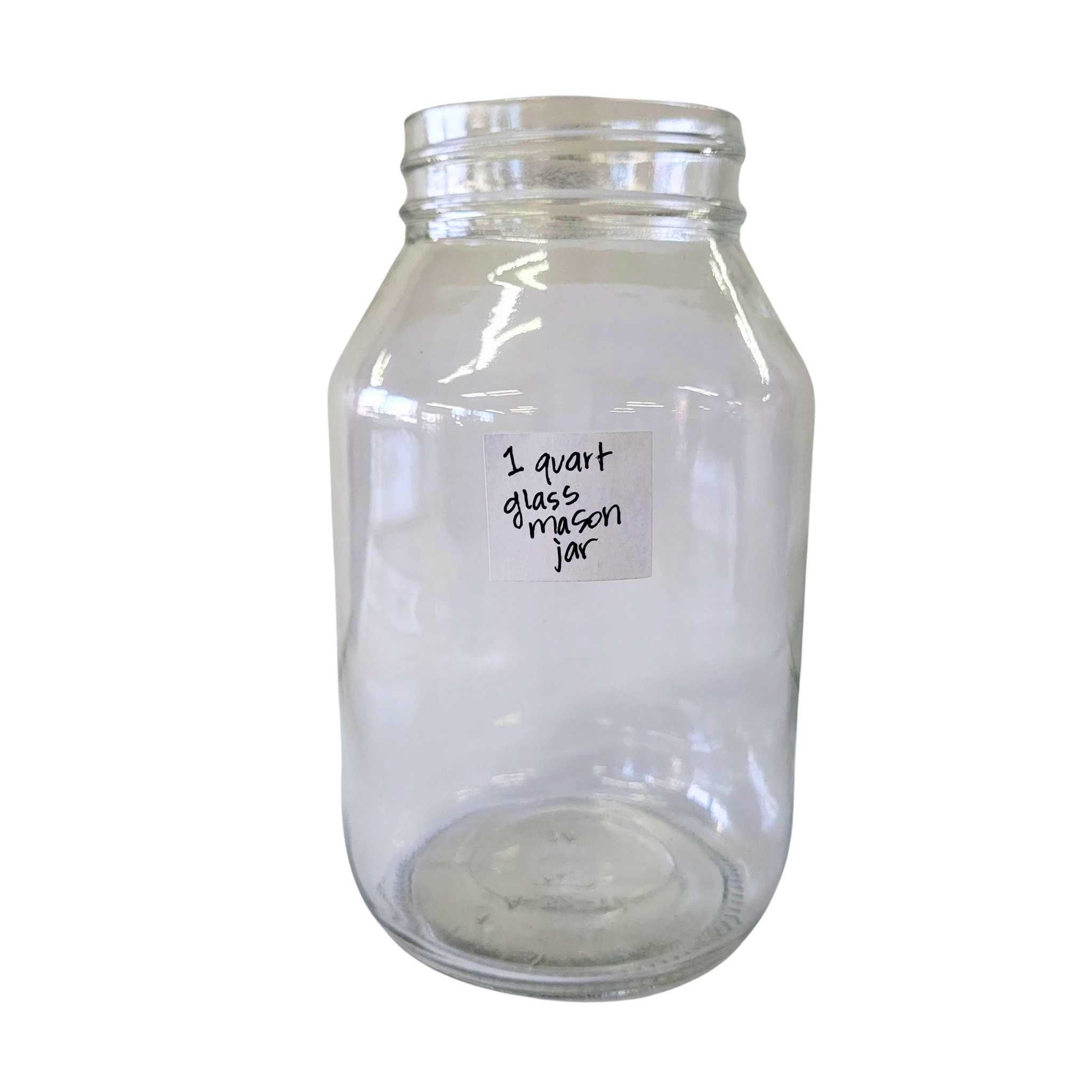
For generations, glass has been the gold standard for canning jars. It’s an inert material, meaning it won’t react with the food you’re preserving, ensuring the flavor remains unaffected. The clarity of glass allows you to easily monitor the contents and check for proper seals and any signs of spoilage. Glass jars are also reusable—though with some important considerations—and widely available at most grocery and hardware stores.
However, glass isn’t without its drawbacks. The most obvious is its fragility. Dropped jars shatter, and even careful handling can lead to chips or cracks that compromise the seal. Weight is another factor; a case of quart jars is heavy to lift and store. Thermal shock—the risk of cracking when exposed to rapid temperature changes—is also a concern, and requires canners to take precautions like gradual heating and cooling.
Recently, there have been reports of declining glass quality. The Penn State Extension noted that the glass in newer jars appears thinner, although it’s been annealed to increase strength. Despite this annealing process, many canners report that the newer jars simply don’t feel as robust as older ones. I’ve personally noticed this myself; the newer Ball jars seem less substantial. While this isn’t a widespread issue, it's something to be aware of when making your purchase.
Brands like Ball and Kerr continue to be the most recognizable names in glass canning jars. While subtle differences exist between them, and some canners swear by one over the other, the overall quality is generally consistent within each brand. Choosing between them often comes down to personal preference and availability.
Silicone for portability
Silicone canning jars are gaining traction as a lightweight and shatterproof alternative to glass. They offer significant advantages in terms of portability and space-saving—many are collapsible when empty, reducing storage needs. Silicone is also generally easier to clean than glass, and its flexibility makes it less prone to breakage, even with rough handling.
The biggest concern with silicone is its permeability. Unlike glass, silicone isn’t completely impermeable, meaning that flavors and odors can potentially transfer over time. This is especially relevant for long-term storage. The question of whether silicone is truly inert over decades remains unanswered, and some worry about potential leaching of chemicals. Staining can also be an issue with brightly colored foods.
Only use FDA-approved food-grade silicone. This ensures the material won't leach chemicals into the brine. Silicone is a decent choice for short-term storage or camping, though it isn't the best for long-term shelf aging.
Bio-Materials Emerge: Promising, But Unproven
The most exciting, and arguably the most uncertain, development in canning jar technology is the emergence of bio-based materials. Researchers are exploring options like polylactic acid (PLA) and polyhydroxyalkanoates (PHA) – materials derived from renewable resources like cornstarch or sugarcane. These materials offer the potential for compostability and a significantly reduced carbon footprint compared to traditional glass or silicone.
The benefits are clear: a truly sustainable canning container that could minimize waste and environmental impact. However, these materials are still in the early stages of development for canning applications. Long-term durability is a major unknown. Will a PLA jar withstand repeated use and the stresses of the canning process? And how will they hold up to the acidity of different foods?
Currently, these bio-material jars are not widely available for home canning. They are primarily being researched and tested by companies and institutions. They may not be suitable for all types of canning, particularly low-acid foods that require higher processing temperatures. While the promise is there, it’s important to approach these materials with caution and await further research before fully embracing them.
Jar Compatibility: Lids and Seals
The choice of jar material is only half the equation; lid compatibility is equally crucial. Standard metal canning lids are designed to work with glass jars, creating a vacuum seal that prevents spoilage. Whether those lids will work effectively with silicone or bio-material jars is an open question. Currently, most silicone jars are designed to be used with specialized silicone lids that create a similar seal.
The National Center for Home Food Preservation (NCHFP) emphasizes the importance of a proper seal for food safety. A compromised seal can lead to contamination and spoilage, rendering your preserved food unsafe to eat. Reusing lids is a hotly debated topic, and the NCHFP recommends using new lids for each canning batch to ensure a reliable seal. While reusing lids can be done, it carries a risk.
Reusable silicone lids are available, offering an eco-friendly alternative to disposable metal lids. However, it’s important to ensure these lids are specifically designed for canning and can withstand the temperatures and pressures involved. Availability of different lid types varies, and it’s essential to check compatibility with your chosen jar material before starting your canning project.
Comparing durability and safety
When it comes to durability, glass remains the most vulnerable. It’s susceptible to cracking from thermal shock and shattering from impacts. Silicone, on the other hand, excels in both these areas. It can withstand temperature fluctuations and is highly resistant to breakage. Bio-materials fall somewhere in between, offering better impact resistance than glass but potentially being more sensitive to heat.
Chemical leaching is a concern with both silicone and bio-materials. While FDA-approved food-grade silicone is considered safe, the long-term effects of exposure to certain foods are still being studied. Bio-materials, being newer, have even less long-term data available. Glass, being inert, eliminates this concern altogether.
Long-term storage stability is another critical factor. Glass, if properly stored and undamaged, can preserve food for years. Silicone’s permeability could potentially affect food quality over time, while the durability of bio-materials remains to be seen. A small tear in a silicone jar, for example, could compromise the seal and lead to spoilage. These trade-offs need careful consideration.
Quart Canning Jar Comparison: Glass, Silicone, & Bio-Materials (2026)
| Criteria | Glass | Bio-Materials |
|---|---|---|
| Durability | Excellent | Fair - long-term durability still under evaluation |
| Safety | Excellent - USDA approved, non-reactive | Fair - Safety depends on specific bio-plastic composition and testing |
| Cost | Generally Lower | Currently Higher - expected to decrease with wider adoption |
| Environmental Impact | Moderate - energy intensive production, recyclable but often ends up in landfills | Potentially Lowest - if sourced from sustainable feedstocks and properly composted, but end-of-life infrastructure is developing |
| Compatibility | Excellent - universally compatible with canning equipment | Fair - compatibility with existing canning equipment is still being tested and verified |
| Ease of Use | Good - Familiar to most canners | Good - Similar to glass, but may require slight adjustments to headspace considerations |
| Resistance to Staining/Odor | Excellent | Fair - Potential for staining or odor absorption depending on material |
Qualitative comparison based on the article research brief. Confirm current product details in the official docs before making implementation choices.
Top Quart Jar Picks for 2026
Choosing the best quart canning jar depends on your individual needs and priorities. Here are a few standouts for 2026, representing a range of materials and price points. Please note that availability and pricing can vary.
Ball Regular Mouth Quart Jars (12-pack with lids and bands): ($24.99 at Amazon) – The classic choice, Ball jars are reliable, widely available, and relatively affordable. They're a solid all-around option for most canning projects. However, be mindful of the potential for thinner glass in newer production runs.
Kerr Regular Mouth Quart Jar 12-pack: ($22.99 at Walmart) - A comparable option to Ball, Kerr jars offer similar quality and performance at a competitive price. They're also easy to find in most stores.
Silicone Pint/Quart Jar Set by Jarful: ($49.99 at Jarful.com) – These collapsible silicone jars are lightweight, shatterproof, and space-saving. They come with airtight silicone lids for a secure seal. They’re a good choice for those prioritizing convenience and portability.
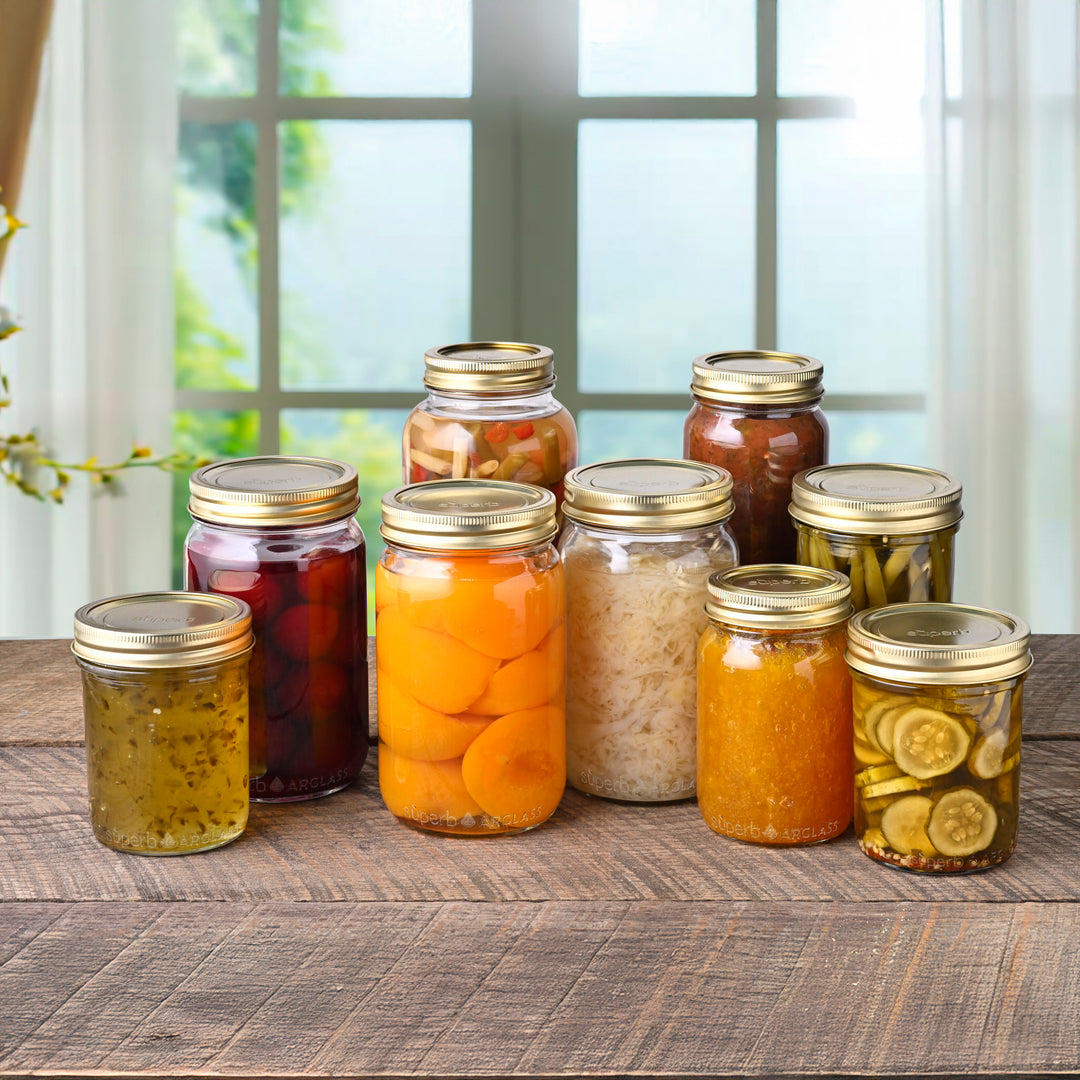
Freshly Preserved Quart Glass Jars (12-pack): ($29.99 at SuperbCanning.com) - These jars are marketed as being thicker and more durable than standard jars. The added cost may be worth it for those concerned about breakage.
EcoJars 1 Liter (approx. 33.8oz) Glass Jar with Swing Top Lid: ($24.95 each at Amazon) – While not a traditional "canning" jar, these are a great option for fermented foods or dry goods. The swing top lids create an airtight seal, and the glass is relatively thick.
Bio-Based Jars (Research Stage): – As of late 2024, fully commercially available and tested bio-based canning jars are still rare. Keep an eye out for developments from companies like Danimer Scientific and Avantium, who are actively researching and developing PHA-based materials for food packaging.
Featured Products

Set of 12 wide-mouth 32oz (1 quart) glass mason jars · Includes lids and bands for airtight sealing · Ideal for food storage, canning, and preserving
A classic and reliable choice for general canning and food storage needs.

Set of 6 wide-mouth 64oz (half-gallon) glass mason jars · Includes lids and bands for airtight sealing · Suitable for larger batches of preserves or bulk food storage
Offers a larger capacity for those who process bigger quantities or store bulk items.

1.5-quart capacity glass jar · Features a stackable design for efficient storage · Comes with a glass lid for a secure seal
A practical option for pantry organization with its stackable feature.

Set of 2 tall, 1/2 liter (approx. 1.05 quart) glass jars · Includes glass lids and metal bands for an airtight seal · Known for their distinctive 'mold' design and eco-friendly appeal
A stylish and eco-conscious option for canning and food storage with a unique aesthetic.

Set of 8 wide-mouth plastic canning jar lids · Designed for Ball, Kerr, and similar jars · Reusable, leak-proof, and dishwasher safe with silicone rings
A convenient and reusable lid alternative for wide-mouth jars, offering a leak-proof seal.
As an Amazon Associate I earn from qualifying purchases. Prices may vary.
No comments yet. Be the first to share your thoughts!