

The current jar shortage
The talk around canning circles is hard to ignore: mason jars are scarce. It’s not a new phenomenon, really. Throughout history, disruptions to glass production and surges in home preserving have led to shortages. Think back to wartime shortages, or even just periods of economic instability. But this particular shortage feels different, stretching on longer and impacting more canners than many of us have seen.
Several factors are at play. The pandemic, of course, sparked a massive increase in home food preservation as people sought greater control over their food supply and a safe alternative to grocery shopping. That initial surge hasn't entirely subsided. Compounding this is the ongoing strain on global supply chains, making it difficult to source raw materials and transport finished products. Glass manufacturing, in particular, is energy-intensive and has struggled to keep pace with demand.
We also can’t overlook growing concerns about food security. Global events and economic pressures are prompting more people to explore self-sufficiency, and canning is a cornerstone of that movement. This increased demand, combined with the existing supply chain issues, has created a perfect storm. The National Center for Home Food Preservation (NCHFP) acknowledges the challenges, but emphasizes the importance of safe canning practices regardless of jar availability – we'll come back to that point.
Canning wasn't always about Ball or Kerr. People used to repurpose all kinds of glass jars out of necessity. We've grown used to standardized jars, but that resourcefulness is coming back into style.
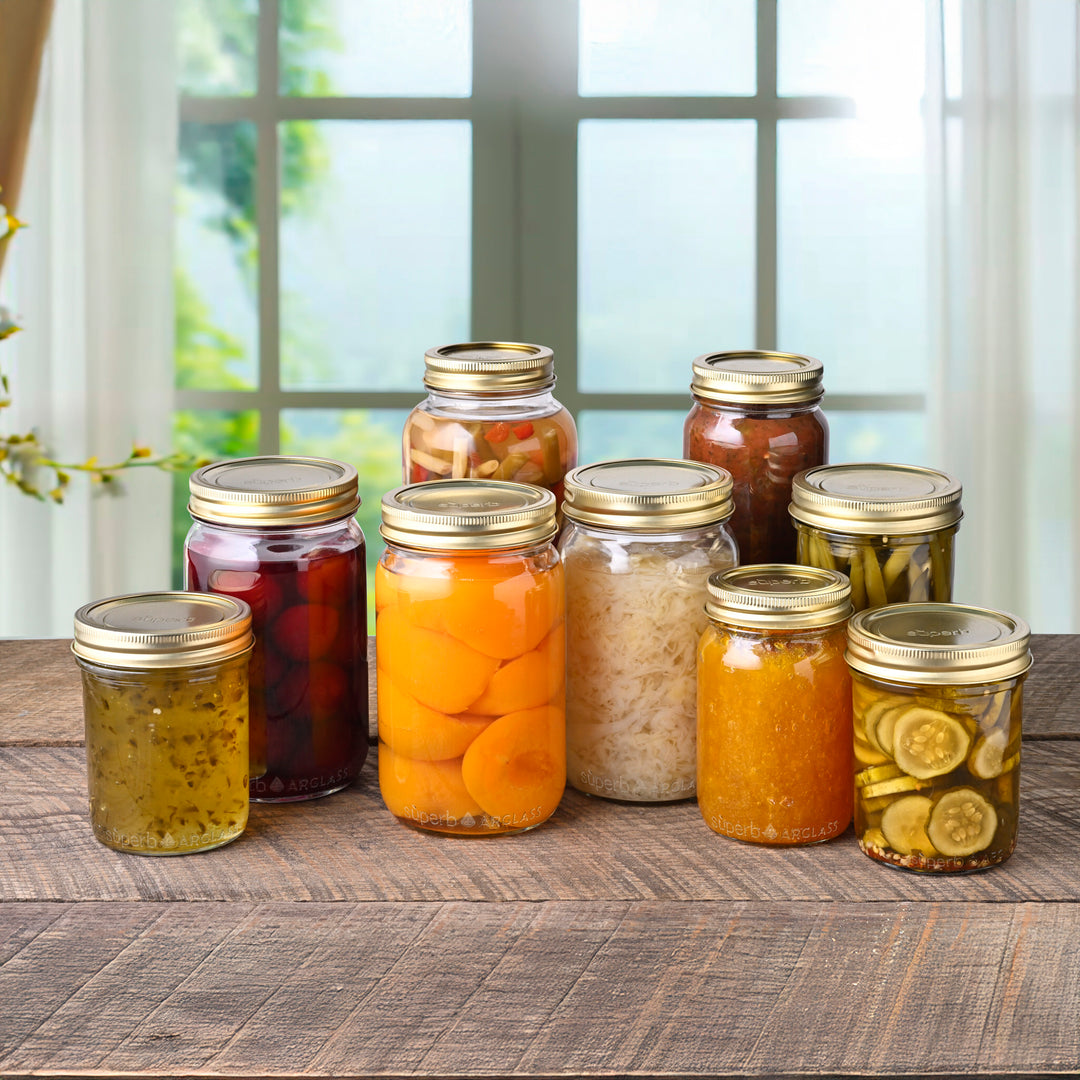
Quart jars to watch in 2026
Predicting the market three years out is tricky, but based on current trends and brand reliability, here's a look at some of the best quart canning jars expected to be available in 2026. Pricing is an estimate based on 2024/2025 costs and anticipated inflation. Availability, as we all know, is the biggest question mark, so I'll prioritize brands that have demonstrated consistent stock in the past.
Ball Quart Jars (Regular Mouth, 12-pack): These remain the gold standard for many canners. Expect to pay around $25-35 for a 12-pack in 2026. They're widely available when in stock and offer a consistent quality. Ball's reputation for durability is well-earned, and their lids generally have a good seal rate. You can typically find these at Walmart, Target, and Amazon.
Kerr Quart Jars (Regular Mouth, 12-pack): Kerr jars are functionally very similar to Ball, and often a bit more affordable – potentially around $22-30 for a 12-pack in 2026. They’re often sold alongside Ball in the same stores. Some canners prefer Kerr lids, finding them easier to use, but the difference is largely a matter of personal preference.
Superb Canning Quart Jars (Regular Mouth, 12-pack): Superb Canning has become a more prominent player in recent years, offering a complete set with jars, lids, and bands. Expect a price point of $28-38 in 2026. They’ve been a reliable source when other brands are out of stock, and their customer service is generally well-regarded.
Golden Harvest Quart Jars (Regular Mouth, 12-pack): Golden Harvest is a solid alternative, often found at farm supply stores like Tractor Supply Co. They may be priced around $20-28 in 2026, making them a budget-friendly option. The glass quality is comparable to Ball and Kerr, but availability can be more limited.
Anchor Hocking Quart Jars (Heritage Hill Collection): While not specifically marketed as 'canning jars,' Anchor Hocking’s Heritage Hill jars are suitable for canning, provided they meet the NCHFP’s requirements for heat resistance. Expect to pay $30-40 for a 6-pack in 2026, as these are often sold individually. Their aesthetic appeal is a bonus for some canners.
Bernardin Quart Jars (Regular Mouth, 12-pack): Primarily available in Canada, Bernardin jars are known for their quality and reliability. If you’re in the US, sourcing these may involve online ordering and higher shipping costs. Expect a price around $35-45 for a 12-pack in 2026, including shipping.
VetroQuart Quart Jars (Regular Mouth, 12-pack): VetroQuart is an online-only brand that has gained traction for its consistent availability. Prices are currently competitive, and I anticipate a 2026 cost of around $25-35 for a 12-pack. They ship directly to consumers, bypassing some of the supply chain bottlenecks.
Lifeline Quart Jars (Regular Mouth, 12-pack): Lifeline jars are another online option that has emerged as a potential alternative. They generally fall in the $20-30 range for a 12-pack, and offer a direct-to-consumer model. Their long-term reliability is still being assessed by the canning community.
Newer Entrants (2026 Outlook): Keep an eye on smaller, regional glass manufacturers. As demand increases, we may see more companies entering the canning jar market. These brands may offer unique features or more sustainable packaging options, but their availability will likely be limited initially.
Featured Products

Includes 12 clear, regular-mouth quart-sized jars · Designed for safe and reliable home canning · Standard 32-ounce capacity
These quart canning jars offer reliable and readily available solutions for home canners facing potential shortages, ensuring your preserving projects can continue uninterrupted.

Pack of 6 wide-mouth quart jars · Comes with lids and bands for immediate use · Versatile for canning, pickling, jams, and juices
These quart canning jars offer reliable and readily available solutions for home canners facing potential shortages, ensuring your preserving projects can continue uninterrupted.

Set of 12 regular-mouth quart jars · Features a decorative 'Vintage Fruit Design' · Clear glass construction for easy content visibility
These quart canning jars offer reliable and readily available solutions for home canners facing potential shortages, ensuring your preserving projects can continue uninterrupted.

Pack of 12 pint-sized canning jars · Includes metal lids and rings · Clear glass for viewing contents
These quart canning jars offer reliable and readily available solutions for home canners facing potential shortages, ensuring your preserving projects can continue uninterrupted.
As an Amazon Associate I earn from qualifying purchases. Prices may vary.
Glass quality and thermal shock
The vast majority of canning jars are made from soda-lime glass, which is known for its thermal shock resistance – the ability to withstand rapid temperature changes. However, there are variations in the quality of soda-lime glass. Thicker glass generally offers greater durability, but also adds weight and cost. Some canners believe that jars made with a higher percentage of recycled glass are more prone to breakage, but this isn’t definitively proven.
The NCHFP states that any glass jar manufactured for food storage can be used for canning, provided it’s free of chips and cracks. Inspecting jars carefully before use is crucial. Pay close attention to the rim, as even a small chip can prevent a proper seal. The weight of the glass can also be an indicator of quality; heavier jars often feel more substantial and durable.
There’s been some discussion about the potential for using tempered glass jars for canning, but this is generally not recommended. Tempered glass is more susceptible to shattering when exposed to thermal shock. While it's stronger in some ways, it doesn't behave predictably under the stresses of canning. Stick with standard soda-lime glass jars for the safest results.
Quart Canning Jar Comparison - 2026
| Brand | Price (Relative) | Lid Compatibility | Durability | Availability |
|---|---|---|---|---|
| Ball/Kerr | $$ | Standard Mason Lids | Good | Moderate to Difficult |
| Golden Harvest | $ | Standard Mason Lids | Average | Moderate |
| Bernardin | $$ | Standard Mason Lids | Good | Moderate |
| Anchor Hocking | $ | Standard Mason Lids | Average | Moderate |
| Kerr (alternative sizes/shapes) | $$ | Standard Mason Lids | Good | Moderate |
| Armark | $ | Standard Mason Lids | Average | Difficult |
| Katom | $$ | Standard Mason Lids | Good | Moderate |
Illustrative comparison based on the article research brief. Verify current pricing, limits, and product details in the official docs before relying on it.
The lid compatibility problem
Lid availability is a major headache for canners. The shortage isn’t just about the number of lids; it’s also about compatibility. While most regular-mouth lids are designed to fit standard jars, there have been reports of inconsistencies, particularly with alternative brands. These inconsistencies can lead to failed seals and spoiled food.
The NCHFP says you should only use lids made for canning. I know people argue about reusing them, but modern non-BPA linings degrade after one use. You risk a bad seal if you try to stretch their life. The metal bands, however, are fine to reuse until they rust.
There’s a growing interest in reusable canning lids, such as those made with silicone gaskets. These lids offer a more sustainable alternative, but they require careful monitoring to ensure a proper seal. Follow the manufacturer’s instructions precisely and always double-check the seal after processing. Be aware that using non-approved lids may invalidate your canning results.
Other ways to preserve food
If you're struggling to find quart canning jars, exploring alternative preservation methods can help. Steam canning is a viable option for high-acid foods like jams, jellies, and pickles, and it uses significantly less water than traditional water bath canning. However, it’s essential to use a steam canner specifically designed for canning, and to follow the manufacturer’s instructions carefully.
Water bath canning can technically be done in pots other than traditional canning jars, but this is generally not recommended unless you have a thorough understanding of canning science and can ensure proper heat penetration and vacuum sealing. Freezing and dehydrating are excellent alternatives for many foods, and they don’t require jars at all. These methods have their own specific requirements for food preparation and storage, so research them thoroughly.
How to track down stock
Staying informed about jar availability requires a bit of detective work. Regularly check the websites of major retailers like Walmart, Target, and Amazon. Many stores offer email alerts when items are back in stock, so sign up for those notifications. Social media groups dedicated to canning (like the Just Canning Recipe group on Facebook) are a great source of information, as members often share updates on jar sightings.
Just Canning will continue to monitor the situation and provide updates on our website and in our community forums. We’ll also share tips and resources for finding alternative solutions. Don’t be afraid to call local hardware stores and farm supply stores; they may have jars in stock even when larger retailers are sold out. Patience and persistence are key during this shortage.
Where have you had the most success finding quart canning jars recently?
With ongoing mason jar shortages affecting canners across the country, we want to hear from the Just Canning community. Share where you have been able to source your quart canning jars so we can help fellow canners find reliable options in 2026. Vote below!
No comments yet. Be the first to share your thoughts!