

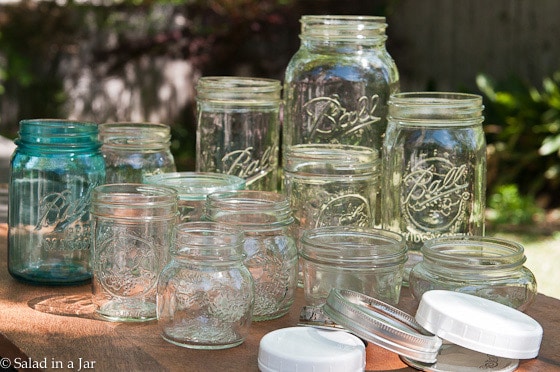
The Jar Situation: A Visual
It’s a familiar scene for many home canners this year: empty shelves where stacks of quart canning jars should be. What was once a reliably stocked aisle is now often picked clean, leaving those eager to preserve their garden’s bounty facing a frustrating reality. This isn’t a localized issue; reports are flooding in from across the country about the difficulty of finding canning jars, especially the popular quart size.
The feeling of being unprepared is palpable. People are starting to worry about preserving the harvest—tomatoes, beans, peaches—and the lack of jars is a genuine concern. It’s not just experienced canners feeling the pinch either; a lot of newcomers to the hobby, inspired by a desire for self-sufficiency, are finding their enthusiasm dampened by the scarcity. This shortage isn’t just an inconvenience; it's a potential threat to the tradition of home food preservation.
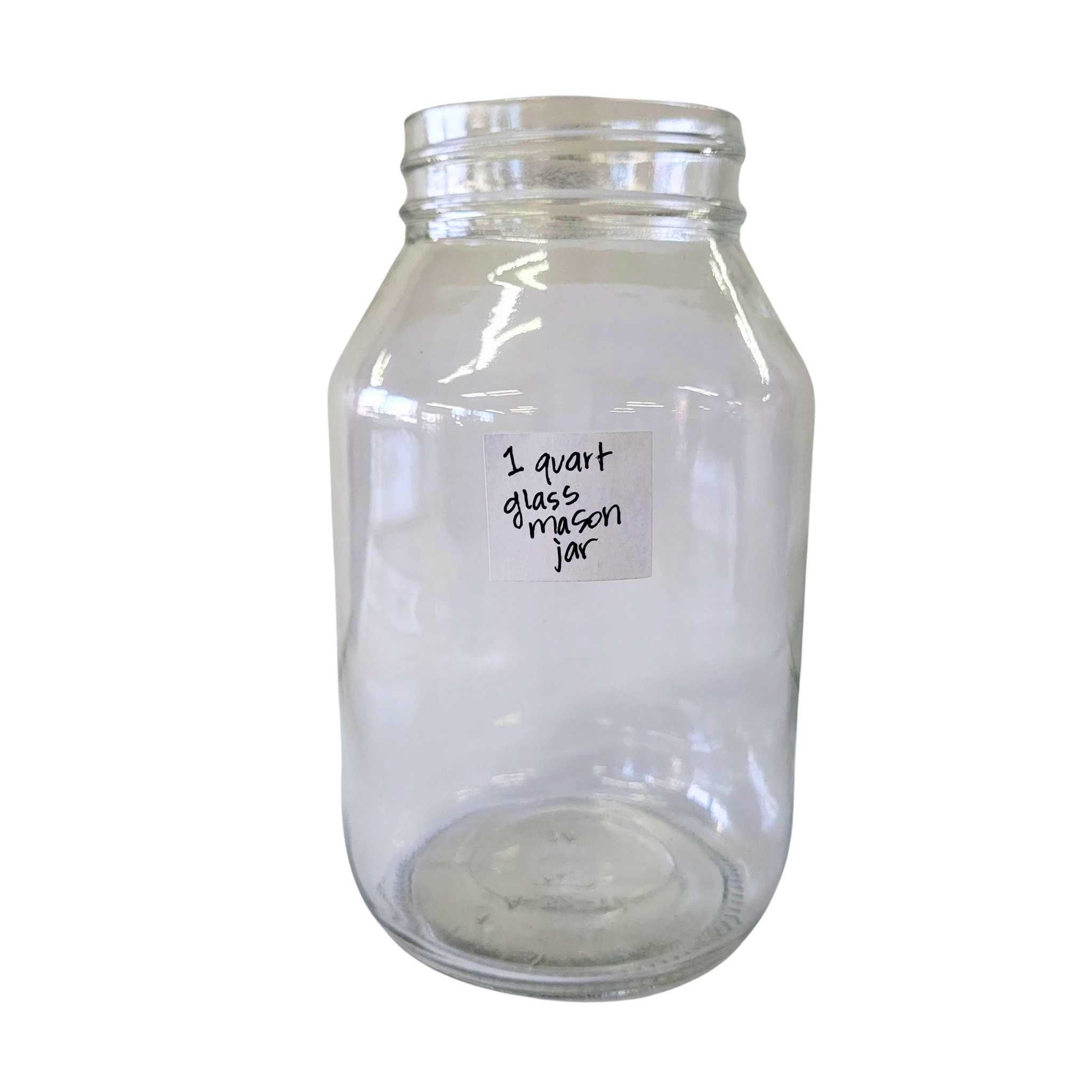
Quart Jars Lead the Demand
While all sizes of canning jars are experiencing some level of shortage, quart jars are bearing the brunt of the demand. This isn’t accidental. Quart jars offer a sweet spot in terms of versatility. They’re large enough to efficiently can larger batches of soups, stocks, and whole fruits, but not so large that they’re cumbersome to handle or that a single jar feels like a huge commitment.
We’ve noticed a definite shift in canning habits too. More people are canning larger quantities for long-term storage, and quart jars fit that need perfectly. There’s also been a rise in recipes specifically designed for quart jars, like larger-batch tomato sauces or pickled vegetables. The National Center for Home Food Preservation (NCHFP) recommends using jars appropriate for the food being preserved, but doesn’t discourage larger sizes when suitable, and that’s likely influencing choices.
The NCHFP’s guidelines emphasize using the correct jar size for optimal heat penetration and processing times, and quart jars are frequently listed as appropriate for many common recipes. This reinforces their popularity and, consequently, their scarcity. It's a cycle: more recipes call for quarts, more people want quarts, and fewer quarts are available. It's a frustrating situation for those who prefer the convenience of larger jars.
Glass Supply Chain Breakdown
The canning jar shortage isn’t happening in a vacuum; it’s a symptom of a much larger issue: a breakdown in the glass supply chain. This isn’t just about canning jars either; glass manufacturers across various industries are struggling to keep up with demand. The problems begin with the raw materials needed to make glass – primarily sand, soda ash, and limestone – and have been compounded by increased energy costs and transportation bottlenecks.
Sourcing those raw materials has become more difficult and expensive. Soda ash, in particular, has seen significant price increases due to production disruptions in several key manufacturing regions. Then there’s the energy-intensive process of melting the glass itself. Natural gas prices soared in 2022 and 2023, and while they've come down somewhat, they remain volatile, adding to the cost of production.
Major canning jar manufacturers, like Ball (owned by Newell Brands) and Kerr, primarily operate facilities in the United States and Canada. These plants are facing increased pressure to expand production, but building new facilities or significantly increasing capacity takes time and substantial investment. Transportation is also a major headache. Port congestion and a shortage of truck drivers have slowed down the movement of both raw materials and finished products.
The situation is further complicated by the fact that glass is heavy and fragile, making it more expensive to ship than many other materials. This adds another layer of cost and logistical challenges to the entire supply chain. It’s a complex web of interconnected issues, and there’s no single quick fix.
The Lid Connection
The jar shortage is inextricably linked to a shortage of lids. You can have a beautiful jar, but without a proper lid, it’s useless for safe canning. Lid manufacturers are facing similar supply chain challenges to those of the jar makers – raw material shortages, energy costs, and transportation issues. The specialized coatings used on the inside of canning lids, essential for creating a proper seal, are also experiencing supply constraints.
While some canners are exploring alternative lid options, like plastic lids designed for temporary storage, these aren’t a substitute for proper canning lids for long-term preservation. Reusable lids are also gaining popularity, but they require more careful monitoring to ensure a proper seal. Just Canning recommends following the NCHFP's guidance on lid usage, which emphasizes using new, undamaged lids for optimal safety.
The NCHFP states that while lids can be reused in certain circumstances, it’s not always recommended and requires careful inspection. Many canners prefer the peace of mind that comes with using a fresh lid every time. Given the current jar and lid shortages, it's understandable why people are hesitant to risk a failed seal with a reused lid.
- Just Canning Recommendation: Use new lids whenever possible for optimal safety.
- NCHFP Guidance: Lids can be reused if they are thoroughly inspected for damage and show no signs of rust or deformation.
2026 Projections: What Experts Predict
Predicting the future is always tricky, but based on current trends and industry reports, the jar shortage is likely to persist well into 2026. While manufacturers are investing in expanding production capacity, these projects take time to come online. Newell Brands, for example, has announced plans to invest in its glass manufacturing facilities, but it will be several years before those investments translate into significantly increased jar availability.
There’s also the potential for new glass manufacturing technologies to emerge, such as more energy-efficient melting processes or the use of alternative raw materials. However, these technologies are still in the early stages of development and aren’t likely to have a major impact in the short term. Most analysts predict a gradual easing of the shortage, rather than a sudden return to normal.
The situation is further complicated by ongoing geopolitical uncertainties and the possibility of further disruptions to the supply chain. It’s reasonable to expect that prices for canning jars and lids will remain elevated for the foreseeable future. A complete return to pre-2020 levels of availability seems unlikely in the near term. We need to prepare for a new normal.
Beyond Ball and Kerr: Alternative Brands
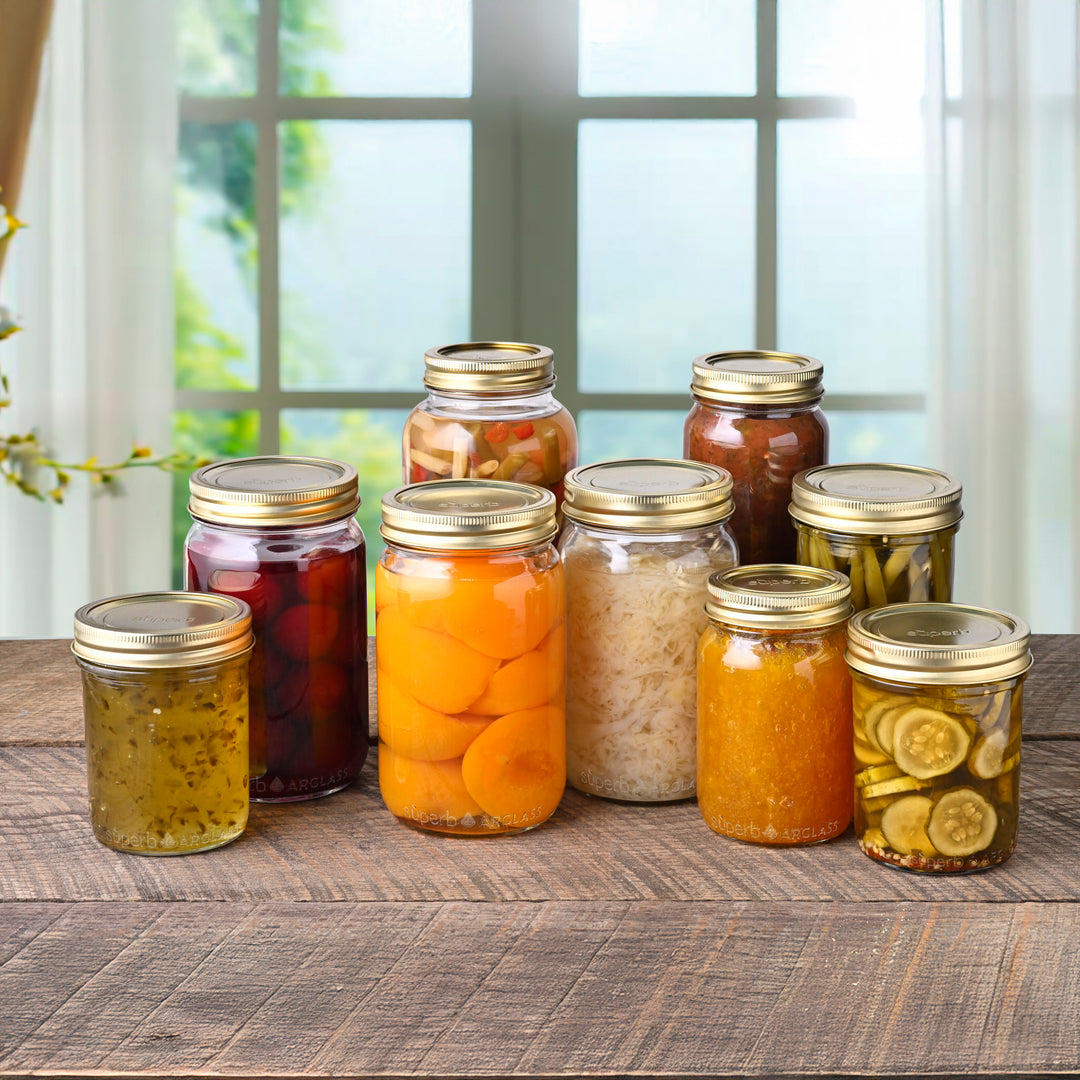
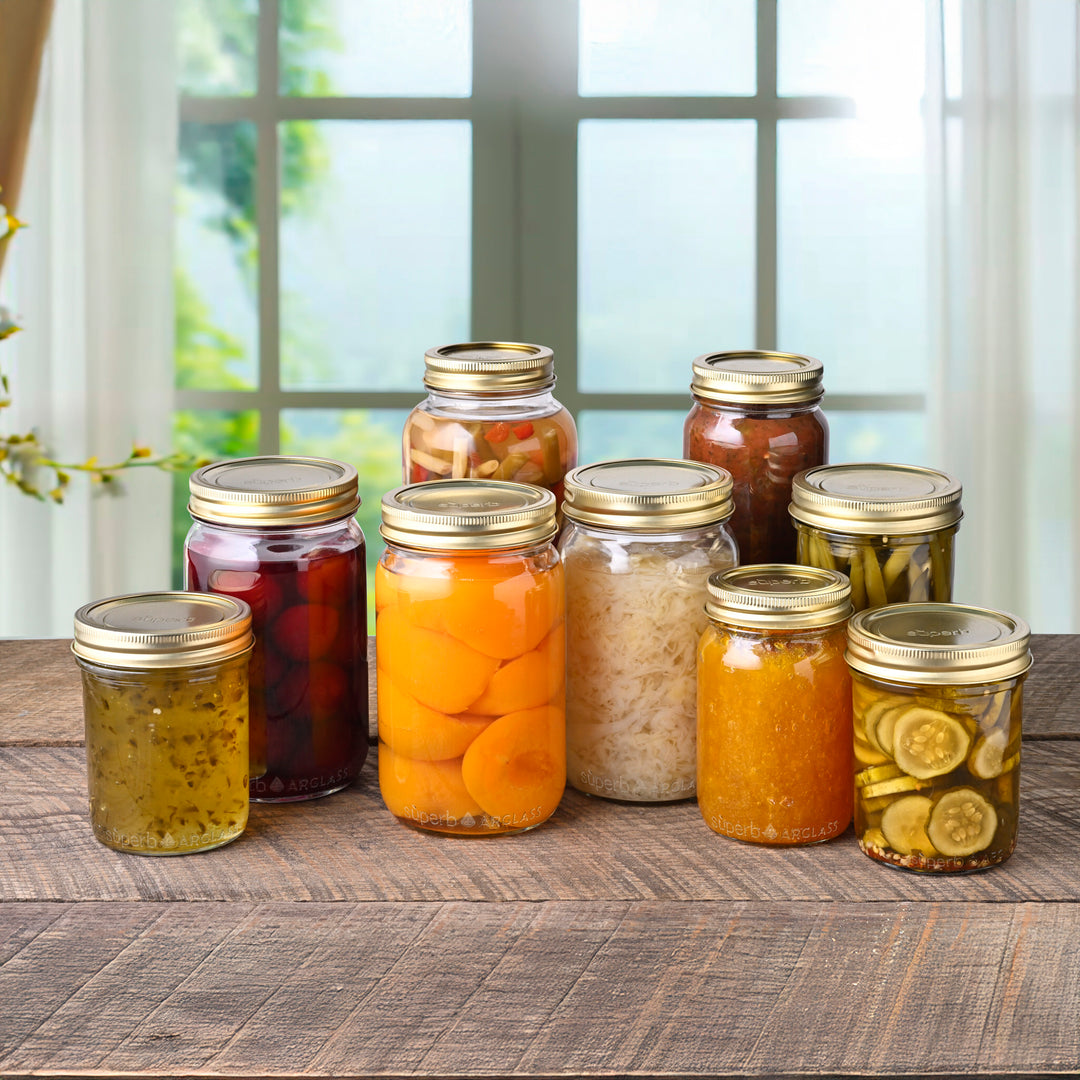
While Ball and Kerr are the dominant names in canning jars, several other brands offer viable alternatives. Superb Canning, for example, manufactures jars in the USA and sometimes has better availability than the larger brands. Golden Harvest is another option, often found at smaller hardware stores or online retailers. They may not always have the same wide selection of sizes and styles, but they can be a lifesaver when Ball and Kerr jars are out of stock.
Leblanc jars are gaining popularity, known for their durability and consistent quality. They’re often a bit more expensive than Ball or Kerr, but they’re worth considering if you’re looking for a reliable alternative. It’s important to check compatibility with your existing canning equipment – most standard lids will fit, but it’s always best to confirm.
Availability varies greatly depending on your location and the time of year. It pays to shop around and be flexible. Don’t be afraid to try different brands and sizes. You might be surprised at what you find. Remember to look at online retailers, too, as they sometimes have stock when brick-and-mortar stores are empty.
- Superb Canning: Made in the USA, good availability at times.
- Golden Harvest: Often found at smaller retailers.
- Leblanc: Durable and high-quality, slightly more expensive.
Quart Canning Jar Brand Comparison - Availability & Characteristics (Late 2026)
| Brand | Approximate Price per Dozen (USD) | Availability | Glass Thickness | User Feedback (Just Canning) |
|---|---|---|---|---|
| Ball | Around $18 - $25 | Moderate to Hard to Find | Standard | Generally positive; reports of occasional quality control issues with recent production runs. |
| Kerr | Around $15 - $22 | Moderate | Standard | Consistent quality reported; some users prefer the jar shape for certain recipes. |
| Bernardin | Around $20 - $28 | Hard to Find | Standard to Slightly Thicker | Highly rated for lid sealing success; availability is a significant concern. |
| Golden Harvest | Around $12 - $18 | Moderate | Standard | Good value option; feedback indicates some variation in glass clarity. |
| Mason | Around $16 - $23 | Moderate to Hard to Find | Standard | Reliable and widely used; increasing difficulty in locating in stock. |
| Kerr Wide Mouth | Around $18 - $26 | Hard to Find | Standard | Popular for larger-mouth canning; consistently sold out in many regions. |
| Ball Collection/Heritage Series | Around $25 - $35 | Very Hard to Find | Standard to Slightly Thicker | Highly sought after for aesthetic reasons; extremely limited availability. |
Illustrative comparison based on the article research brief. Verify current pricing, limits, and product details in the official docs before relying on it.
Canning Strategies for a Limited Supply
So, what can you do to cope with the jar shortage? Prioritizing recipes is a good starting point. Focus on preserving the foods you truly value and that are difficult to source otherwise. Consider using smaller jars – pints and half-pints – to stretch your supply further. While quart jars are convenient, smaller jars can be just as effective for many recipes.
Exploring alternative preservation methods is also a smart move. Freezing is a great option for many fruits and vegetables, and it requires no jars at all. Dehydrating is another excellent choice, particularly for herbs, fruits, and vegetables. These methods offer flexibility and reduce your reliance on canning jars. Don’t overlook the power of root cellaring for certain vegetables.
Joining canning communities, both online and offline, can be incredibly helpful. These communities are a great source of information, tips, and even jar-sharing opportunities. People are often willing to trade or sell jars to fellow canners in need. Resourcefulness and collaboration are key during these challenging times.
Community Talk: What People Are Saying
The frustration over the jar shortage is palpable in online canning communities. On Reddit’s r/canning, users are sharing stories of driving hours to multiple stores in search of jars, and lamenting the increased prices. One user commented, “I used to be able to fill a whole pantry in a day. Now, it takes weeks to find enough jars for even a small batch of tomatoes.”
Facebook groups dedicated to home canning are filled with similar complaints and resourceful solutions. Many canners are organizing swaps and trades to share their limited supplies. Others are experimenting with alternative preservation methods, like fermenting and drying. There’s a strong sense of camaraderie and a determination to continue the tradition of home food preservation, despite the challenges.
The overall sentiment is one of resilience and adaptability. Canners are proving that they’re not easily deterred. They’re finding creative ways to overcome the obstacles and continue to enjoy the benefits of home-canned food. It’s a testament to the enduring appeal of this time-honored practice.
No comments yet. Be the first to share your thoughts!