

Cucumber canning potential
Late summer usually leaves gardeners with more cucumbers than they can eat. If you don't have a plan, that harvest ends up in the compost bin. While most people stop at the standard dill pickle, the vegetable is versatile enough for chutneys, relishes, and even marmalades. Canning these preserves the crunch and flavor for months while cutting down on kitchen waste.
Historically, cucumber preservation was essential before refrigeration. While methods evolved, the core principle remained: extending the life of a perishable food. Early preservation techniques included brining, salting, and pickling – all designed to inhibit spoilage. Today, with reliable resources like the National Center for Home Food Preservation (NCHFP), we have access to tested recipes and methods ensuring both safety and delicious results. It's amazing how far we've come, but the goal – reducing waste – remains the same.
This isn't just about preserving a summer favorite; it’s about resourceful cooking. Canning allows you to capture the fresh, crisp flavor of cucumbers and enjoy it throughout the year. It’s a way to connect with tradition, reduce your environmental impact, and savor the fruits (or vegetables!) of your labor. We'll dive into 15 creative recipes, proving that canning cucumbers is anything but one-dimensional. Let’s unlock the full potential of this often-underestimated vegetable.
The science of safe preservation
Understanding the science behind canning is absolutely essential for safe food preservation. Cucumbers are a low-acid vegetable, meaning they don’t have enough natural acidity to prevent the growth of Clostridium botulinum, the bacteria that causes botulism. Botulism is a serious illness, and proper canning techniques are the only way to ensure your preserved cucumbers are safe to eat. That’s why relying on scientifically tested recipes from sources like the NCHFP is so important.
The key to safely canning cucumbers lies in controlling the pH level. This is typically achieved by adding an acid – usually vinegar – to the cucumbers. The NCHFP provides detailed guidelines on the correct vinegar-to-cucumber ratio for different recipes. Always use a vinegar with at least 5% acidity; lower acidity levels won't guarantee safety. It's also important to understand the difference between processing times for different altitudes, as water boils at lower temperatures at higher elevations, requiring longer processing times.
There are two primary methods for canning cucumbers: water bath canning and pressure canning. Water bath canning is suitable for high-acid foods, like pickles with sufficient vinegar. Pressure canning, on the other hand, is necessary for low-acid foods that don’t have enough added acid to prevent botulism. While many cucumber pickle recipes can be safely water bath canned, it’s crucial to follow tested recipes precisely. Common mistakes, like reducing the amount of vinegar or altering processing times, can compromise safety.
To avoid issues, always use proper canning equipment – we’ll discuss that in more detail later – and meticulously follow the instructions. Don't experiment with recipes from unreliable sources. A good rule of thumb: if a recipe doesn't specify the acidity level or processing time based on altitude, it’s best to avoid it. Safety is always the top priority when it comes to home canning.
15 recipes for a zero-waste harvest
Now for the fun part! Let’s move beyond the traditional dill pickle and explore a world of creative cucumber canning recipes. These recipes are designed to help you use every part of your cucumber harvest, minimizing waste and maximizing flavor. Remember to always follow tested recipes for safety.
1. Dill Pickle Spears: A classic for a reason! This recipe, adapted from Simply Canning, uses a generous amount of dill and garlic for a crisp, flavorful pickle.
2. Bread & Butter Pickles: These sweet and tangy pickles are perfect for burgers or as a side dish. The NCHFP has a reliable recipe for these.
3. Spiced Cucumber Chutney: A unique and flavorful condiment, perfect with cheese and crackers. Combine diced cucumbers with spices like cinnamon, ginger, and cloves, and a touch of vinegar.
4. Cucumber Relish: Ideal for hot dogs, sandwiches, or as a topping for grilled meats. Finely chop cucumbers and combine with onions, peppers, and a sweet-sour brine.
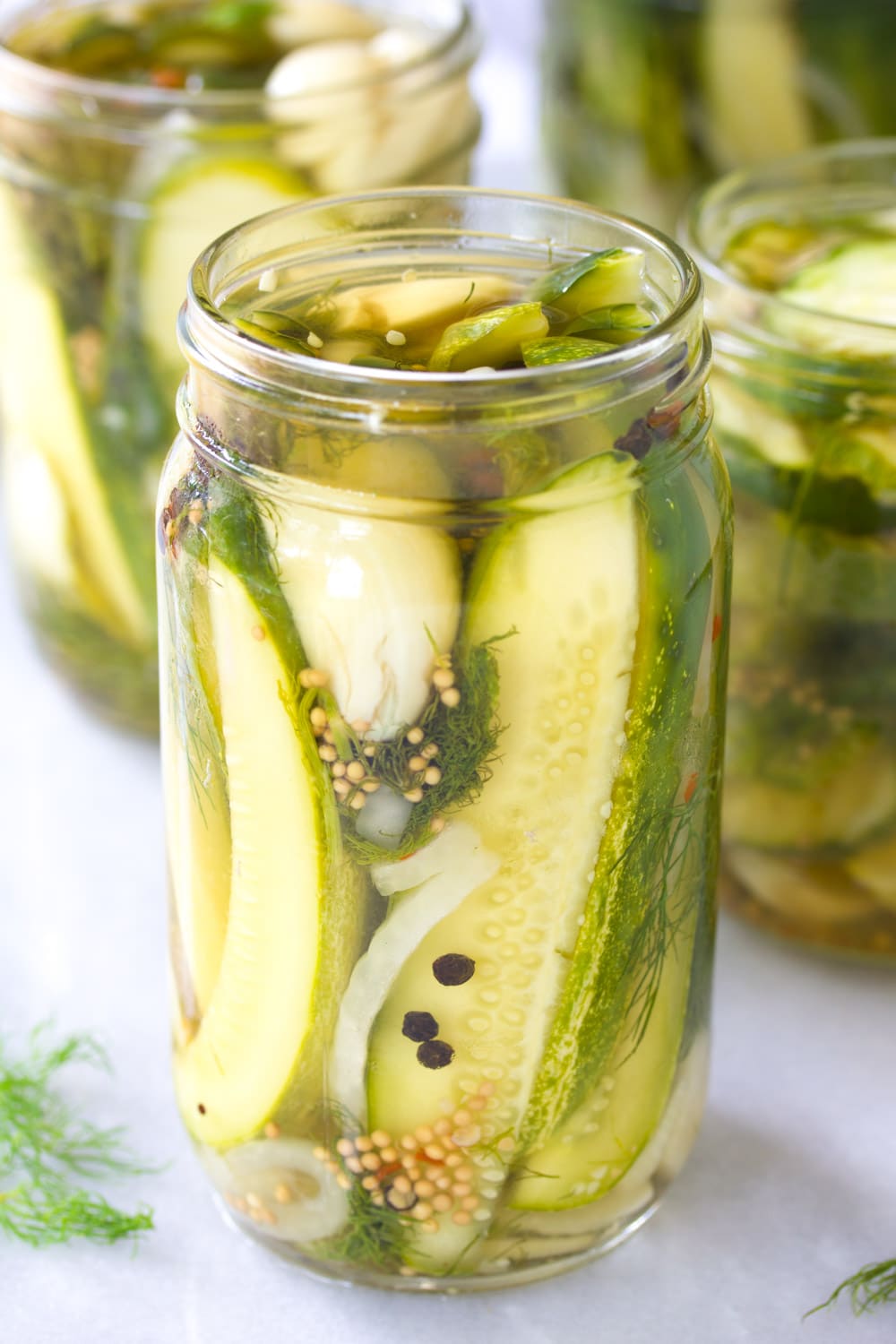
5. Pickled Cucumber Spears with Garlic & Dill: A simple, yet elegant pickle that highlights the fresh flavor of cucumbers. Add whole garlic cloves and generous sprigs of dill to each jar.
6. Fermented Cucumber Slices: While technically fermentation, not canning, it's a fantastic way to preserve cucumbers. Fermentation creates probiotics, offering additional health benefits. Canning after fermentation is possible, but requires specific procedures.
7. Cucumber Kimchi (Canned): A spicy and flavorful Korean staple. Canning kimchi requires careful attention to acidity levels.
8. Sweet & Tangy Cucumber Pickles: A delightful variation on traditional pickles, with a balance of sweetness and tanginess. Use a combination of sugar and vinegar for the perfect flavor.
9. Hot Pepper Cucumber Pickles: Add a kick to your pickles with a variety of hot peppers. Jalapeños, serranos, or habaneros are all great options.
10. Cucumber & Onion Marmalade: A sweet and savory spread that’s perfect on toast or as a glaze for meats. Slowly cook cucumbers and onions with sugar and vinegar until caramelized.
11. Cucumber Salsa (Canned): A vibrant and flavorful salsa that’s perfect with tortilla chips or as a topping for tacos. Use a tested recipe to ensure safety.
12. Cucumber & Green Tomato Pickles: A great way to use up both cucumbers and green tomatoes. The combination of flavors is surprisingly delicious.
13. Cucumber Kosher Dills: A traditional Jewish pickle, known for its tangy and garlicky flavor. Use plenty of garlic and dill, and a generous amount of salt.
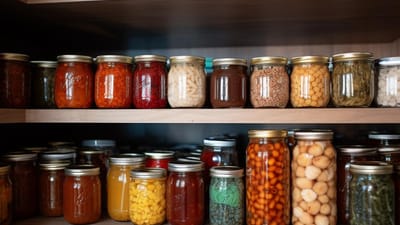
14. Cucumber and Beet Pickles: The beets add a beautiful color and earthy flavor to the pickles. This is a visually stunning addition to any jar shelf.
15. Cucumber Pickled in Vinegar and Spices: A simple and versatile pickle that can be customized with your favorite spices. Experiment with mustard seeds, coriander seeds, and peppercorns.
Companion ingredients
Canning isn’t just about the star ingredient; it’s about the supporting cast. Certain ingredients complement cucumbers beautifully, enhancing both flavor and preservation. Thinking about these pairings is also a great way to reduce waste by using up other garden produce.
Onions and garlic are staples in many cucumber canning recipes, adding depth and complexity. Dill, of course, is a classic pairing, but don’t be afraid to experiment with other herbs like tarragon or basil. Spices like mustard seed, coriander, and peppercorns add warmth and complexity. A pinch of red pepper flakes can add a pleasant heat.
Fruits can also be surprisingly good companions to cucumbers. Apples and pineapple, for example, can add sweetness and tanginess to chutneys and relishes. Using local, seasonal ingredients not only supports your community but also ensures the freshest flavor. Consider what’s readily available in your garden or at your local farmers market when planning your canning projects.
Troubleshooting common issues
Even with careful attention to detail, canning can sometimes present challenges. Understanding common issues and how to prevent them is crucial for success. Cloudy brine, for example, is often caused by starchiness in the cucumbers. Using pickling cucumbers and carefully washing them can help reduce cloudiness. Soft pickles can result from insufficient acidity or improper processing times.
Mold growth is a serious concern and indicates a failed seal or insufficient processing. Always discard any jars with visible mold. Seal failures can occur due to chipped jars, improper lid placement, or insufficient headspace. Ensure your jars are free of chips and cracks, and that lids are properly sealed. Proper headspace – the empty space between the food and the lid – is essential for creating a vacuum seal.
If you encounter a jar with a failed seal, you have a few options. You can reprocess the contents using a new lid (within 24 hours), refrigerate and consume immediately, or freeze the contents for later use. Never store improperly sealed jars at room temperature. The NCHFP website has extensive troubleshooting resources if you encounter any issues.
Jars and equipment
Choosing the right jars and equipment is essential for safe and successful canning. Mason jars specifically designed for canning are the only jars you should use. Common sizes include quart, pint, and half-pint, depending on your recipe and needs. Avoid using commercial jars (mayonnaise jars, etc.) as they are not designed to withstand the heat and pressure of canning.
Essential canning equipment includes a canning pot with a rack, a jar lifter, a funnel, a headspace tool, and a bubble remover. The canning pot provides a consistent temperature for processing. A jar lifter safely removes hot jars from the pot. A funnel helps fill jars without spills. A headspace tool ensures proper headspace, and a bubble remover eliminates air pockets.
Steam canning is an alternative to water bath canning for small batches. It uses less water and energy but requires you to monitor the temperature constantly to ensure the steam stays at a rolling boil. Stick to standard Mason jars; commercial jars from the grocery store aren't tempered for the heat of a canner and often crack.
No comments yet. Be the first to share your thoughts!