

Pickle mania: spring 2026 trends
Pickles are everywhere right now. You see them in chips, ice cream, and classic deli buckets. I think we're gravitating toward them because they offer a sharp, nostalgic punch that modern processed snacks usually miss. There is something deeply satisfying about a bold, fermented crunch.
Social media, naturally, plays a huge role. TikTok and Instagram are flooded with videos of people making, eating, and obsessing over pickles. But beyond the hype, there’s a real appreciation for the craft of preserving and the satisfaction of making something delicious from scratch. People want to connect with their food, and canning cucumbers is a fantastic way to do that.
This spring, I'm moving past basic dills. I've been testing five recipes that lean into sharper, more aggressive flavors: mango with habanero, heavy garlic spears, turmeric bread and butter slices, rosemary red onions, and a traditional fermented batch. These are for anyone tired of the same old grocery store jars.
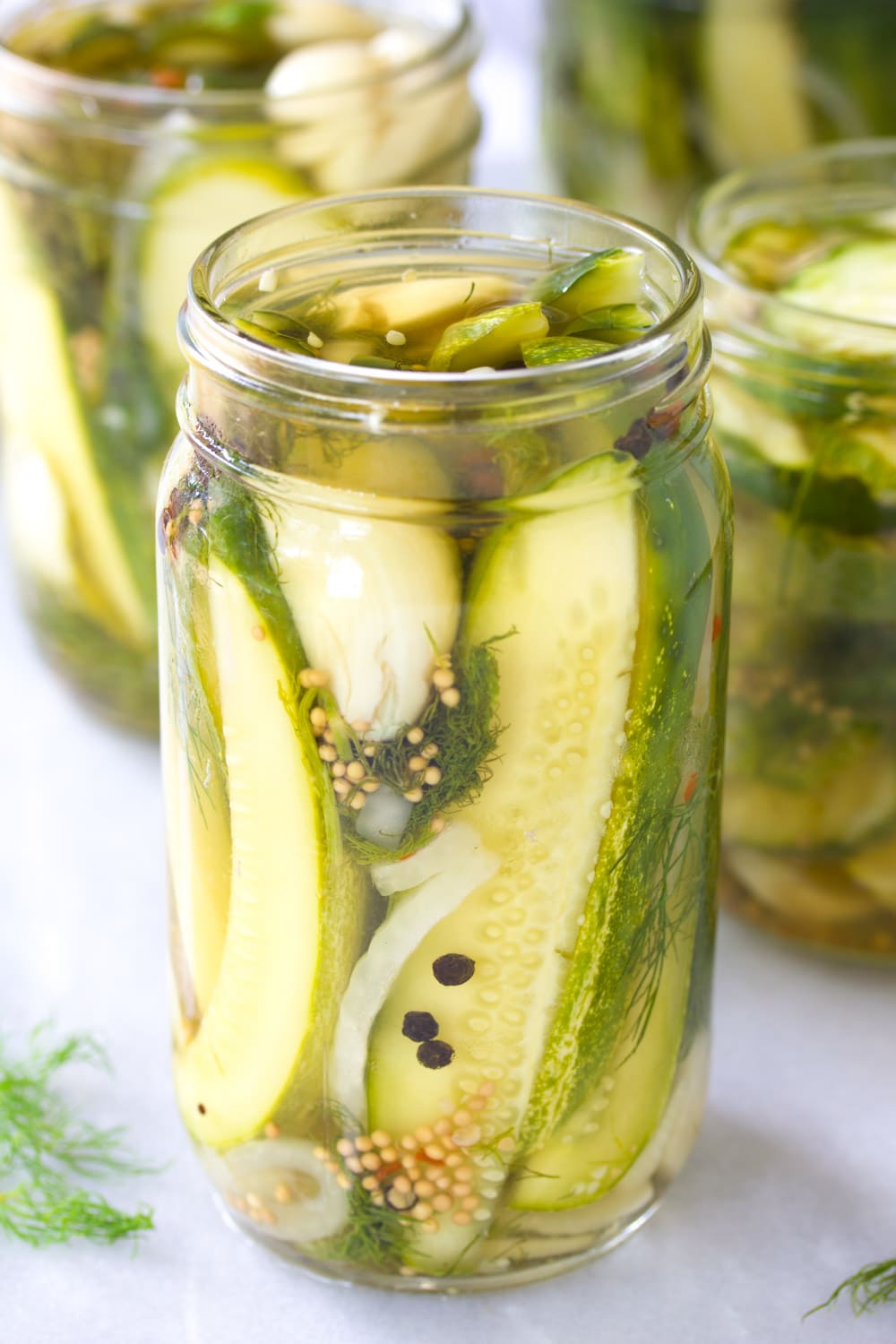
Spicy mango habanero pickles
These are a far cry from a standard deli spear. The mango sweetness hits first, followed by a sharp habanero burn that the vinegar helps settle. It's a strange combination on paper, but I find myself eating them straight from the jar.
You’ll need about 4 cups of firm-ripe mango, diced; 2-3 habanero peppers, thinly sliced (adjust to your heat preference – handle with care!); 1 ½ cups white vinegar; ¾ cup granulated sugar; 2 tablespoons pickling salt; 1 tablespoon mustard seed; and ½ teaspoon turmeric. I've found that using a blend of yellow and orange mangoes creates a beautiful color.
First, prepare your jars and lids according to standard canning procedures. Combine the vinegar, sugar, salt, mustard seed, and turmeric in a saucepan and bring to a boil. Add the mango and habaneros and simmer for 10 minutes. Ladle the hot mixture into sterilized jars, leaving ½ inch headspace. Process in a boiling water bath for 10 minutes (adjust for altitude – consult the National Center for Home Food Preservation guidelines for specific times).
For a milder pickle, remove the seeds and membranes from the habaneros. You can also add other fruits like pineapple or peaches for extra sweetness and complexity. Some people like to add a pinch of cinnamon or allspice for a warmer flavor profile. Don't be afraid to experiment!
Garlic-heavy dill spears
Sometimes, you just want a really good classic dill pickle. But this isn’t just any dill pickle recipe. We’re maximizing the garlic flavor, creating spears that are intensely flavorful and satisfyingly crisp. The key is using the right cucumbers and preparing the garlic properly.
Kirby cucumbers are the gold standard for pickling. They stay firm and don’t get mushy like other varieties. You’ll need about 4 pounds of Kirby cucumbers, cut into spears. For the garlic, use 6-8 cloves, peeled and sliced. Other ingredients include 2 cups white vinegar, 1 cup water, ¼ cup pickling salt, 2 tablespoons dill seed, 1 tablespoon mustard seed, and ½ teaspoon black peppercorns.
Combine the vinegar, water, salt, dill seed, mustard seed, and peppercorns in a saucepan and bring to a boil. Pack the cucumber spears tightly into sterilized jars, adding the sliced garlic to each jar. Pour the hot brine over the cucumbers, leaving ½ inch headspace. Process in a boiling water bath for 10 minutes (adjust for altitude).
Using pickling salt is essential – it doesn’t contain iodine or anti-caking agents that can darken the brine and affect the flavor. To ensure a crisp texture, soak the cucumber spears in ice water for a few hours before pickling. This helps to firm them up.
Bread & Butter Pickles with Turmeric
Bread & Butter Pickles are a classic for a reason—the sweet and tangy flavor is irresistible. This recipe adds a modern twist with the inclusion of turmeric, which not only enhances the flavor but also gives the pickles a beautiful golden hue. It's a subtle addition that really elevates the dish.
You’ll need 4 cups sliced cucumbers, 1 cup sliced onions, 1 ½ cups white vinegar, 1 cup sugar, ¼ cup pickling salt, 1 tablespoon mustard seed, ½ teaspoon celery seed, and 1 teaspoon turmeric. Apple cider vinegar works particularly well in this recipe, adding a slightly fruity note.
Combine the vinegar, sugar, salt, mustard seed, celery seed, and turmeric in a saucepan and bring to a boil. Add the cucumbers and onions and simmer for 5-7 minutes. Ladle the hot mixture into sterilized jars, leaving ½ inch headspace. Process in a boiling water bath for 10 minutes (adjust for altitude).
To adjust the spice level, add a pinch of cayenne pepper or a dash of hot sauce. Some people like to add a bit of grated ginger for extra warmth. The key to perfect Bread & Butter Pickles is finding the right balance between sweetness and tang – adjust the sugar to your liking.
Fermented Dill Pickles (No Vinegar)
Let’s step away from traditional canning for a moment and explore the world of fermentation. Fermented dill pickles are made without vinegar, relying on naturally occurring bacteria to create a unique and complex flavor profile. This process, called lacto-fermentation, results in a tangy, slightly sour pickle with a delightful crunch.
You’ll need about 2 pounds of pickling cucumbers, 2-3 cloves garlic, peeled and smashed, 2-3 sprigs fresh dill, 2 tablespoons sea salt, and enough filtered water to cover the cucumbers. It’s important to use non-iodized salt, as iodine can inhibit the fermentation process.
Dissolve the salt in the water to create a brine. Pack the cucumbers, garlic, and dill into a clean glass jar. Pour the brine over the cucumbers, ensuring they are fully submerged. Weigh down the cucumbers with a fermentation weight or a small glass jar to keep them below the brine. Cover loosely with a lid or cheesecloth. Let ferment at room temperature for 3-7 days, checking daily for bubbles and skimming off any scum that forms.
Fermentation is a natural process, but it’s important to maintain a safe environment. Discard any pickles that show signs of mold or off-flavors. For more information on safe fermentation practices, consult the National Center for Home Food Preservation ().
What to do when things go wrong
Even with the best recipes and techniques, things can sometimes go wrong when canning pickles. Soft pickles are a common issue, often caused by improper processing or low acidity. Always follow recommended processing times and ensure your brine is sufficiently acidic.
Cloudy brine can be caused by mineral content in your water. Using distilled water can help prevent this. Mold growth is a serious concern and indicates an improper seal or contamination. Always inspect jars carefully before storing and discard any jars with signs of mold. Refer to the National Center for Home Food Preservation guidelines for safe canning practices.
If your pickles are too salty, you may have used too much salt in the brine. Next time, reduce the amount slightly. If they’re not tangy enough, increase the amount of vinegar. Remember, canning is a science, but it also requires a bit of practice and experimentation. Don't be afraid to learn from your mistakes.
No comments yet. Be the first to share your thoughts!