

Steam canning explained simply
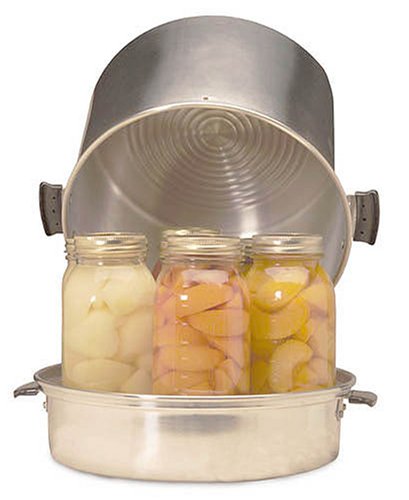
Steam canning is a modern preservation method that uses the heat of steam inside an enclosed pot to process filled jars. Unlike traditional water bath canning, where jars sit submerged in boiling water, steam canning relies on a shallow layer of water at the bottom of a specialized canner. As the water heats, it generates steam that circulates around the jars, transferring heat efficiently to the contents.
This method was once viewed with skepticism by food safety experts, but recent research has validated its safety for high-acid foods. The United States Department of Agriculture (USDA) and various land-grant extension services now authorize steam canning for acidic items with a pH of 4.6 or below. This includes pickles, jams, jellies, and salsa, making it a viable option for preserving onions and cucumbers safely.
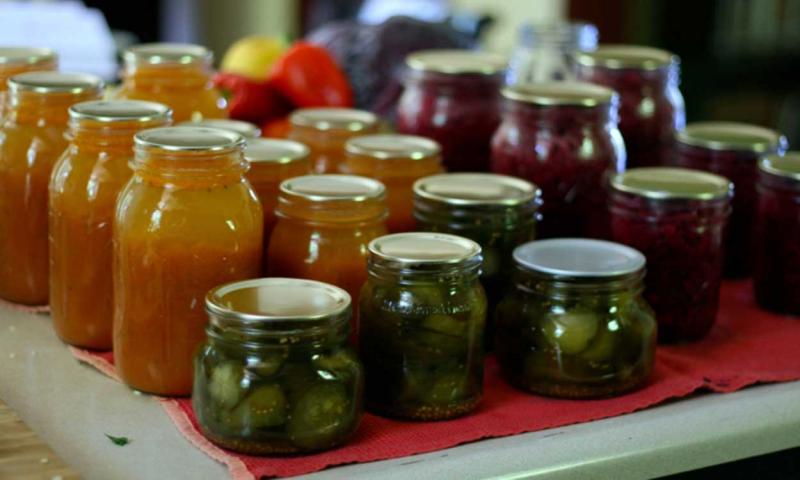
The primary advantage of steam canning is speed. Because steam transfers heat more quickly than boiling water, processing times are often shorter. This can help preserve the crisp texture of pickles and the sharp flavor of onions, which can sometimes soften or dull during longer water bath processes. Additionally, steam canners require less water, reducing the energy needed to bring the canner to a boil.
While it offers efficiency, steam canning requires specific equipment. A steam canner with a tight-fitting lid and a rack to keep jars out of the water is essential. The lid must seal properly to maintain the steam environment. If you are transitioning from water bath canning, you will need to adjust your processing times, as steam canning times are typically shorter. Always follow current guidelines from reputable sources like your local extension service to ensure your canned goods remain safe for long-term storage.
Steam Canning vs Water Bath: Quick Comparison
Choosing between steam canning and water bath canning comes down to your kitchen setup and how quickly you want to get jars processed. While both methods rely on high heat to preserve low-acid foods like pickles and onions, the mechanics differ significantly.
Water bath canning submerges jars in boiling water. This traditional method requires enough water to cover the jars by at least one inch, which means filling large pots and managing significant volumes of water. It is reliable but can be time-consuming to bring to a boil and cool down.
Steam canning uses a specialized canner that generates steam to heat the jars. The jars sit above the water line, exposed to intense steam rather than submerged. This method heats jars faster and uses less water, making it more efficient for smaller batches of pickles or onions. However, it requires specific equipment to ensure the steam circulates properly.
The table below breaks down the practical differences in time, energy, and capacity to help you decide which method fits your routine.
| Method | Processing Time | Water Usage | Energy Efficiency | Jar Capacity |
|---|---|---|---|---|
| Water Bath | Longer to boil | High (submerges jars) | Lower | High (large pots) |
| Steam Canning | Faster heat-up | Low (1-2 inches) | Higher | Lower (stacked jars) |
Processing pickles with steam
Steam canning is an efficient method for preserving high-acid vegetables like cucumbers. Because pickles require a pH of 4.6 or lower to be safe for shelf-stable storage, they are well-suited for this technique. The process relies on saturated steam to heat the jars quickly, which can be faster than waiting for a large volume of water to reach a rolling boil in a traditional water bath canner.
To start, place filled jars into a preheated steam canner. Michigan State University Extension recommends that the water in the canner base reach 140 °F for raw-packed foods and 180 °F for hot-packed foods before you insert the jars. This preheating step ensures that the steam generation begins immediately, reducing the time the cucumbers spend in a warming phase.
Steam canners typically hold fewer jars than large water bath pots, making them ideal for smaller batches of pickles. This allows for quicker processing times and less energy usage. However, you must monitor the water level closely throughout the process to ensure the canner does not run dry, which could compromise the steam pressure and safety of the seal.
Canning onions in a steam canner
Onions present a unique challenge in home canning because they are naturally low-acid vegetables. When processed using water bath methods, they require strict acidification to prevent botulism. However, when you are pickling onions, the added vinegar lowers the pH to a safe level (4.6 or below), making them an acidic food. This shift in acidity is what allows steam canning to be a viable and efficient option for preserving them.
Steam canning is particularly well-suited for pickled onions because the process is gentler and faster than boiling. Since pickled onions are already in a high-acid brine, they do not require the intense, prolonged heat of pressure canning. The steam circulates around the jars, heating the contents quickly and evenly. This preserves the crisp texture of the onions and the bright color of the brine better than the rolling boil of a water bath canner.
Using a steam canner for pickled onions also saves time and energy. You do not need to fill a large pot with water, and the canner heats up much faster. For small batches of pickled onions, this efficiency is significant. Always ensure you are using a research-tested recipe that specifies the correct vinegar-to-onion ratio. The USDA and extension services provide guidelines for safe steam canning of acidic foods, ensuring your pickles remain safe and delicious.
When water bath is still better
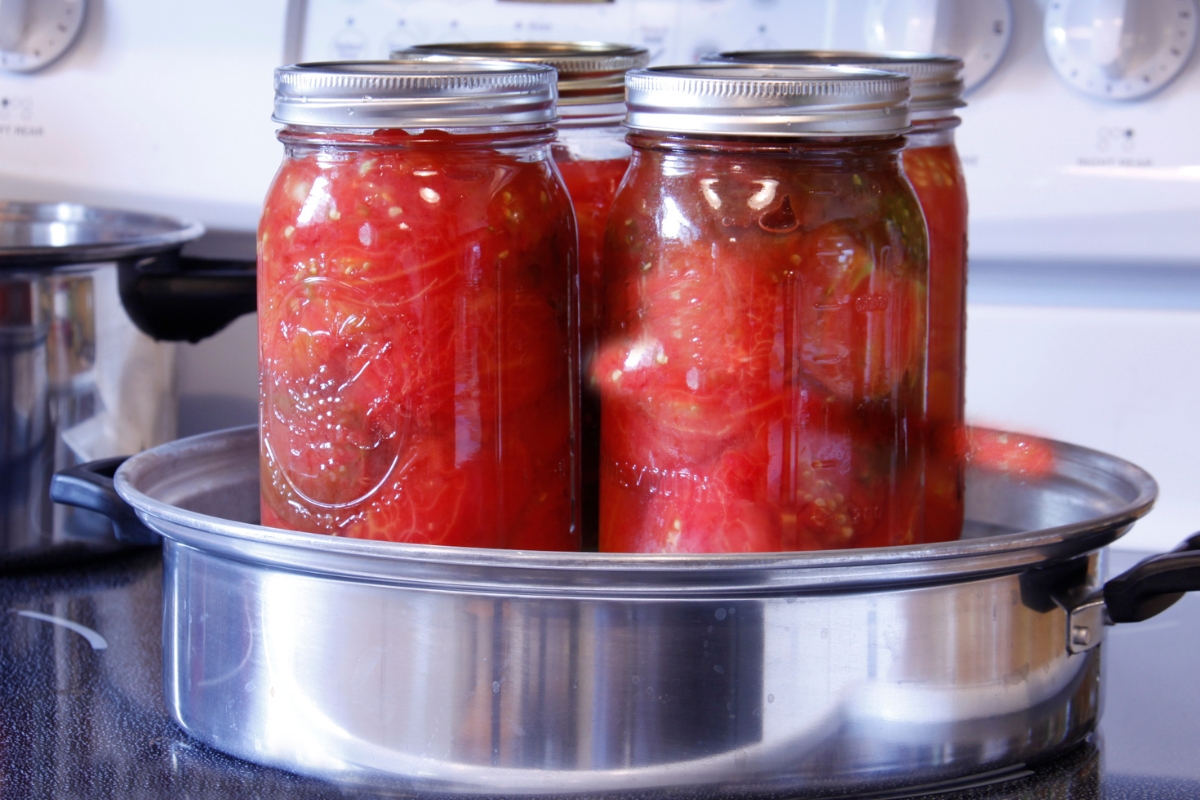
Steam canners are efficient for small batches, but they have physical limits. Most models hold only four pint jars at once. If you are processing a large harvest of pickles or onions, loading and unloading multiple small batches wastes more time than processing them all at once in a single large pot.
The water bath method remains the superior choice when equipment constraints or volume dictate. A standard 8-10 quart stockpot can hold six to eight quart jars simultaneously. This capacity is essential for canning large quantities of onions or pickles in one go, reducing the total active time and energy required.
Additionally, water bath canning is the only safe option if you are using older or non-standard pot setups that cannot accommodate a steam canner's specific base requirements. For high-volume preservation, the traditional water bath method offers a proven, scalable solution that steam canners simply cannot match.
Choosing your canning setup
Deciding between steam canning and water bath canning comes down to three practical factors: your kitchen space, how often you preserve, and the size of your batches. Both methods are safe for pickles and onions when you follow current research-tested guidelines, but they serve different kitchen rhythms.
Steam canners are shorter and use less water than deep water bath pots. If you have limited cabinet space or struggle with heavy, full pots of water, a steam canner is easier to handle and store.
Water bath canners hold more jars, making them better for large batches. If you canning once or twice a year for big families, a water bath pot saves time. For weekly small batches of pickles or onions, a steam canner heats up faster and uses less energy.
Ensure your chosen method matches your recipe requirements. Always use up-to-date research-tested recipes for acidic foods like pickles and onions. Steam canning is now an evidence-based practice for high-acid foods, but you must use a canner that has been tested and approved for this method.


As an Amazon Associate, we may earn from qualifying purchases.
Is steam canning safe for pickles and onions?
Steam canning is now considered safe for high-acid foods like pickles and onions, provided you follow current USDA guidelines. Historically, this method was discouraged due to limited research, but updated protocols confirm its viability for acidic preserves with a pH of 4.6 or lower.
The key to safety lies in using a steam canner specifically designed for this purpose and adhering strictly to processing times. Unlike water bath canning, which submerges jars, steam canning uses boiling vapor to heat the contents. This method is faster and uses less water, but it requires precise timing to ensure the entire jar reaches a temperature sufficient to kill harmful bacteria.
What foods can I steam can?
You can only steam can high-acid foods. This category includes fruits, jams, jellies, pickles, salsas, and onions preserved in vinegar brine. Low-acid vegetables like green beans or corn cannot be safely processed this way and require pressure canning instead.
Always use research-tested recipes that specify the exact acidity levels required. Do not alter the vinegar-to-water ratios or add low-acid ingredients like garlic or peppers unless the recipe explicitly accounts for the pH balance. When in doubt, stick to traditional water bath methods for unfamiliar recipes.
No comments yet. Be the first to share your thoughts!