

How steam canning works
Steam canning uses about two quarts of water compared to the gallons required for a traditional water bath. For anyone on a well or just tired of waiting 45 minutes for a giant pot to boil, the appeal is obvious. Safety is the main hurdle, and while the rules have changed recently, they are specific about what works and what doesn't.
Historically, steam canning wasn’t widely recommended. Early models often struggled to maintain consistent temperatures, raising concerns about proper food preservation. The National Center for Home Food Preservation (NCHFP) initially took a cautious stance, and that caution still influences recommendations today. However, advancements in canner design and a better understanding of heat transfer have led to a reevaluation of steam canning’s potential.
Currently, steam canning is considered safe for high-acid foods—we'll get into specifics later—but it's not a universally approved method for all types of preserves. It’s crucial to understand the science behind why certain foods are suitable and others aren’t. We're going to look at the latest research and guidelines to help you make informed decisions about whether steam canning is right for you and your kitchen.
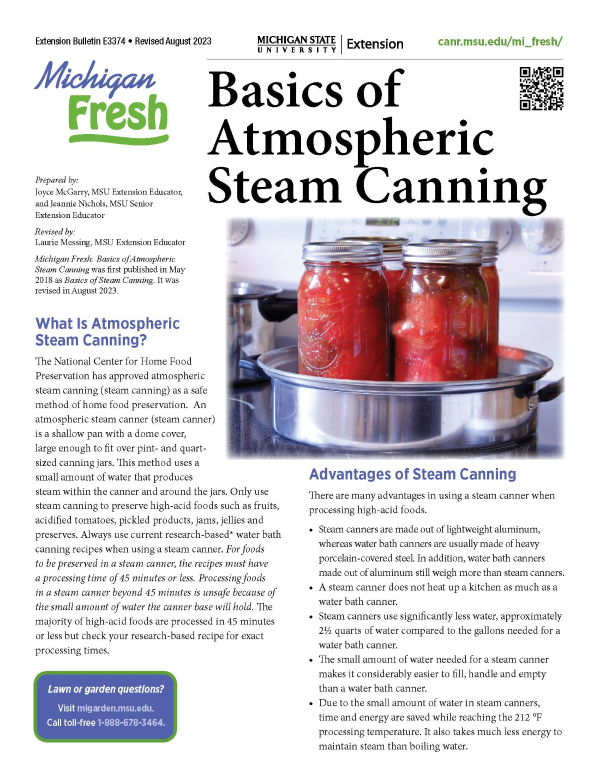
A typical steam canner consists of a pot with a raised rack and a tight-fitting lid. Water is added to the bottom, creating steam that surrounds the jars during processing. The steam, and not the water itself, is what cooks the food inside the jars. It’s a fairly straightforward process, but attention to detail is paramount to ensure a safe and successful outcome.
The safety research
The National Center for Home Food Preservation (NCHFP) updated its stance in 2015, finally recognizing atmospheric steam canning as a safe alternative to water baths. The catch is the pH level. You can only use this for high-acid foods with a pH of 4.6 or lower. Vegetables, meats, and poultry are still off-limits because steam at atmospheric pressure doesn't get hot enough to kill botulism spores in low-acid environments.
The reasoning behind this caution is rooted in heat transfer principles. Steam canners rely on consistent steam circulation to ensure all jars reach the required temperature. Studies have shown that some steam canner designs may result in uneven heating, leaving some jars underprocessed. This is particularly problematic with denser foods that require more heat penetration. The NCHFP's 2023 update on equipment and methods reiterates this concern, focusing on the importance of validated processing times and temperatures.
However, research from sources like South Dakota State University Extension demonstrates that properly designed and used steam canners can effectively process high-acid foods. Their research highlights the importance of a tight-fitting lid, adequate venting, and consistent steam output. The key takeaway isn't that steam canning is inherently unsafe, but that it requires careful attention to detail and adherence to tested recipes.
It’s essential to understand that the effectiveness of steam canning isn't just about the canner itself. Jar size, headspace, and altitude all play a role in processing times. The USDA Complete Guide to Home Canning provides tested recipes and processing times for various high-acid foods, and these should be followed meticulously. Deviating from these guidelines could compromise the safety of your preserves.
The debate isn’t necessarily about whether steam canners can reach the right temperature, but whether they can do so reliably and consistently in a home kitchen setting. This is why the NCHFP maintains a conservative approach, prioritizing safety and minimizing potential risks.
- NCHFP Recommendation: Steam canning is approved for high-acid foods (pH 4.6 or lower).
- Key Concern: Maintaining consistent temperatures throughout the canner.
- Research Support: Studies show effective processing of high-acid foods with properly designed canners.
- USDA Guide: Follow tested recipes and processing times from the USDA Complete Guide to Home Canning.
Canning Method Comparison: Water Bath, Pressure, & Steam
| Factor | Water Bath Canning | Pressure Canning | Steam Canning |
|---|---|---|---|
| Processing Time | Moderate | Longest | Generally faster than water bath, can be similar |
| Equipment Cost | Lowest | Higher | Moderate - requires a dedicated steam canner |
| Food Safety - High Acid Foods (Fruits, Jams) | Excellent | Not Necessary | Excellent – suitable alternative |
| Food Safety - Low Acid Foods (Vegetables, Meats) | Not Safe | Essential | Not Recommended – insufficient temperature |
| Ease of Use | Relatively Easy | Requires practice & caution | Easier than pressure canning, simpler setup |
| Suitable Foods | High-acid foods only | Low-acid & High-acid foods | High-acid foods only, following tested recipes |
| Ventilation Needs | Minimal | Good ventilation recommended | Good ventilation recommended |
| Typical Processing Volume | Multiple jars at once | Multiple jars at once | May be limited by canner size |
Qualitative comparison based on the article research brief. Confirm current product details in the official docs before making implementation choices.
High-acid foods you can process
Currently, steam canning is considered safe for processing high-acid foods. This includes a wide range of jams, jellies, and pickles. The acidity in these foods inhibits the growth of Clostridium botulinum, the bacteria responsible for botulism, making them suitable for steam canning. However, it’s crucial to use tested recipes that have been specifically developed for steam canning.
Pickles, particularly those made with vinegar, are excellent candidates for steam canning. Follow the processing times outlined in the USDA Complete Guide to Home Canning based on your altitude. Jams and jellies, with their high sugar content, also benefit from steam canning’s gentle heat. Again, adhere to tested recipes to ensure proper gel formation and preservation.
Fruit butters, like apple butter or peach butter, can also be steam canned successfully, provided they meet the high-acid criteria. Always check the pH of your finished product to ensure it's below 4.6. You can purchase pH testing strips online or at home brewing supply stores. Recipes from the National Center for Home Food Preservation or your local extension office are a great place to start.
Here are some specific examples of foods that are generally considered safe for steam canning:
The processing times will vary depending on the jar size and altitude. Always consult a reliable source, like the USDA Complete Guide to Home Canning, for accurate processing times.
- Pickles (cucumber, relish, etc.)
- Jams (strawberry, raspberry, etc.)
- Jellies (grape, apple, etc.)
- Fruit Butters (apple, peach, etc.)
- Tomatoes (must be acidified with 2 tablespoons of bottled lemon juice per quart)
Foods Safe for Steam Canning
- High-Acid Fruits: Applesauce can be safely steam canned due to its natural acidity. Always use a tested recipe.
- Tomatoes (Acidified): Tomatoes *require* added acid (lemon juice, citric acid, or vinegar) to be safely steam canned. Botulism risk is present without proper acidification.
- Peaches: Sliced or halved peaches in a light syrup are suitable for steam canning. Ensure proper headspace is maintained.
- Pears: Like peaches, pears can be steam canned in a light syrup. Use firm-ripe fruit for best results.
- Pickled Vegetables: Many quick pickles, like bread and butter pickles or pickled beets, are safe for steam canning due to their high vinegar content. Follow a tested pickling recipe exactly.
- Fruit Jams & Jellies: High-acid jams and jellies (strawberry, grape, apple) are well-suited for steam canning. Proper sealing is crucial for long-term storage.
- Tomato Sauce (Acidified): Similar to whole tomatoes, tomato sauce *must* be acidified before steam canning to ensure safety. Use a tested recipe for the correct amount of acid.
Foods to Avoid: Why Some Aren't Suitable
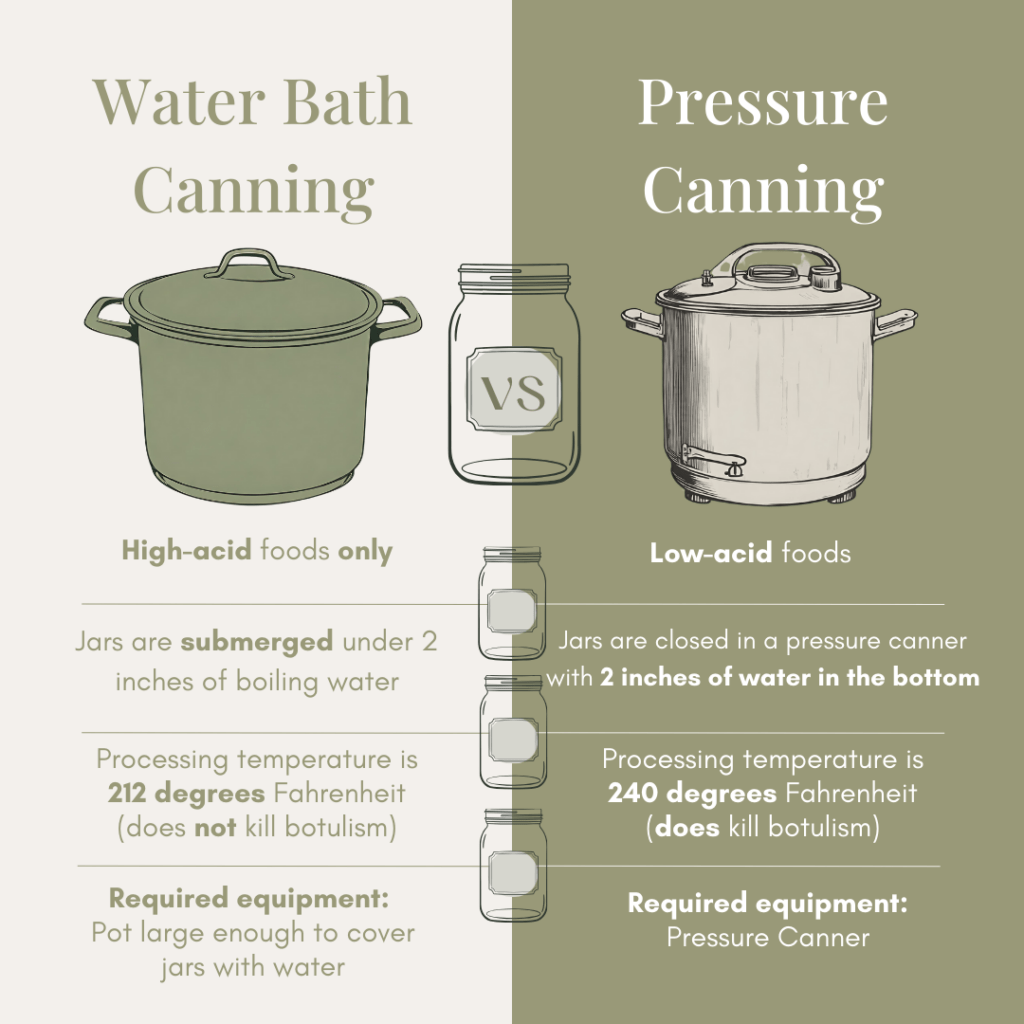
Low-acid foods, such as vegetables, meats, and poultry, are generally not recommended for steam canning. These foods require temperatures of 240°F (116°C) to destroy Clostridium botulinum spores, and steam canners often struggle to consistently achieve and maintain this temperature throughout the entire canning process. While some canners may reach 240°F, maintaining it consistently across all jars is the challenge.
The concern isn’t just about reaching the temperature; it’s about maintaining it for the required amount of time. If the temperature fluctuates or isn’t uniform, some jars may be underprocessed, creating a breeding ground for harmful bacteria. This is why pressure canning is the recommended method for low-acid foods – it reliably achieves and maintains the necessary temperature and pressure.
Even adding acid to low-acid foods, like tomatoes, doesn’t entirely eliminate the risk. While acidification can raise the pH level, it doesn’t guarantee that the food will be safe when processed in a steam canner. The NDSU Extension emphasizes that pressure canning remains the safest method for tomatoes unless a tested recipe specifically allows for steam canning with added acid.
Attempting to steam can low-acid foods is a gamble with potentially serious consequences. Botulism is a rare but deadly illness, and it's not worth the risk to try to adapt a recipe or cut corners. Always follow established guidelines and use the appropriate canning method for the type of food you’re preserving.
Steam Canner Types and Features
Steam canners come in various sizes and materials, but they all share the same basic components: a pot, a rack, and a lid. The pot is typically made of stainless steel or aluminum, with stainless steel being the more durable and corrosion-resistant option. Aluminum is lighter and more affordable, but it can react with acidic foods over time.
The rack is essential for keeping the jars elevated above the water, allowing steam to circulate freely. Look for a rack that is sturdy and fits snugly within the pot. A tight-fitting lid is perhaps the most crucial feature of a steam canner. It needs to create a good seal to trap the steam and maintain consistent temperatures.
Some steam canners come with temperature gauges or vents to help monitor the canning process. These features can be helpful, but they shouldn’t be relied upon as a substitute for following tested recipes and processing times. A consistent steam output is also important—look for canners with a design that promotes even steam distribution.
Capacity is another factor to consider. Steam canners typically range in size from 8 to 20 quarts. Choose a canner that is large enough to accommodate your needs, but not so large that it's difficult to handle. Consider ease of cleaning as well—look for canners with removable parts and smooth surfaces.
Troubleshooting Common Steam Canning Issues
One of the most common problems with steam canning is inconsistent temperatures. If the temperature fluctuates or doesn’t reach 212°F (100°C), it could be due to a leaky lid, insufficient water, or a drafty kitchen. Make sure the lid is securely fastened and that there is enough water in the pot to create a steady stream of steam.
Slow heating is another issue that can arise. This could be due to a low heat setting or a clogged burner. Increase the heat gradually and ensure that the burner is clean and functioning properly. Water loss during processing can also be a concern. Check the water level periodically and add more water if needed.
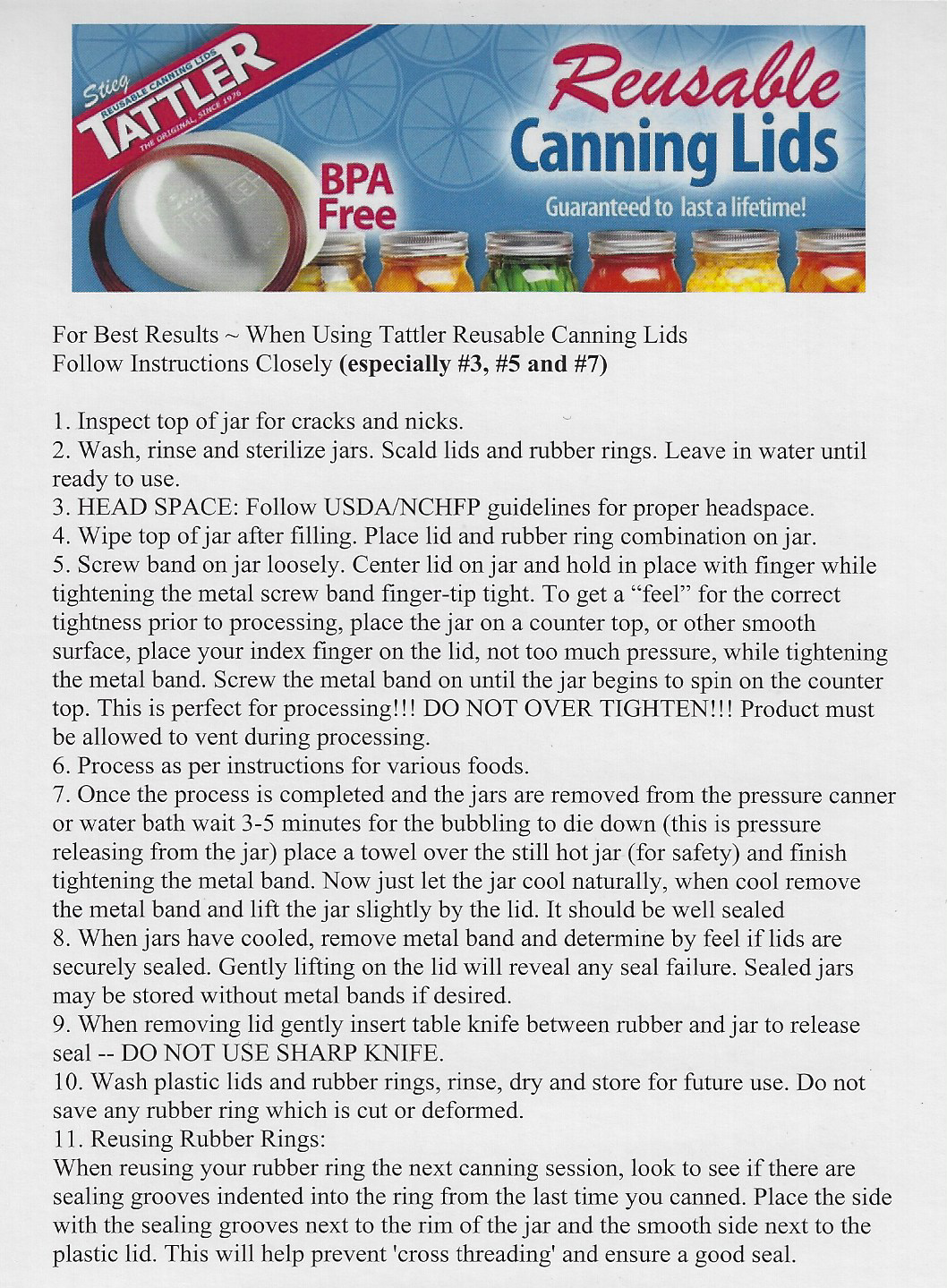
Seal failures are frustrating, but they can often be prevented. Ensure that the jar rims are clean and free of any chips or cracks. Use new lids each time you can, and follow the manufacturer’s instructions for preparing the lids. Don’t overtighten the bands, as this can cause the lids to buckle.
If you encounter any of these issues, don’t panic. Carefully assess the situation and take corrective action. If you’re unsure about the safety of your preserves, it’s always best to err on the side of caution and discard them.
Steam Canning vs. Other Methods: A Quick Comparison
Steam canning, water bath canning, and pressure canning each have their own advantages and disadvantages. Water bath canning is suitable for high-acid foods and is relatively simple, but it uses a significant amount of water. Pressure canning is the only safe method for low-acid foods, but it requires specialized equipment and careful attention to detail. Steam canning falls somewhere in between.
Steam canning offers a water-saving alternative to water bath canning for high-acid foods. It’s also generally faster than water bath canning, as it takes less time to bring the water to a boil. However, it requires a dedicated steam canner, which can be an added expense.
Here's a quick rundown:
Ultimately, the best canning method depends on the type of food you’re preserving and your personal preferences. Steam canning is a viable option for certain situations, but it’s not a one-size-fits-all solution. It's important to weigh the pros and cons of each method before making a decision.
- Steam Canning: Water-saving, faster for high-acid foods, requires dedicated canner.
- Water Bath Canning: Simple, suitable for high-acid foods, uses a lot of water.
- Pressure Canning: Only safe method for low-acid foods, requires specialized equipment, demands careful attention.

No comments yet. Be the first to share your thoughts!