

Lid reuse: what is changing in 2026?
Canners have long treated lids as single-use items. In 2026, the FDA is expected to update its guidelines to allow for lid reuse. This is a welcome change for anyone tired of throwing away perfectly good metal or struggling with the rising cost of supplies.
Many canners are eager to find ways to make their hobby more eco-friendly and affordable. But safety remains the top priority. The new guidelines aim to strike a balance between reducing environmental impact and ensuring the food we preserve remains safe for our families. We’ve seen a lot of conflicting advice over the years, so it’s important to understand precisely what the updated rules will allow.
The new rules focus on specific inspection steps and seal tests. If you want to reuse lids without risking spoilage, you need to know exactly what to look for before the jar goes into the pantry.
The history of single-use rules
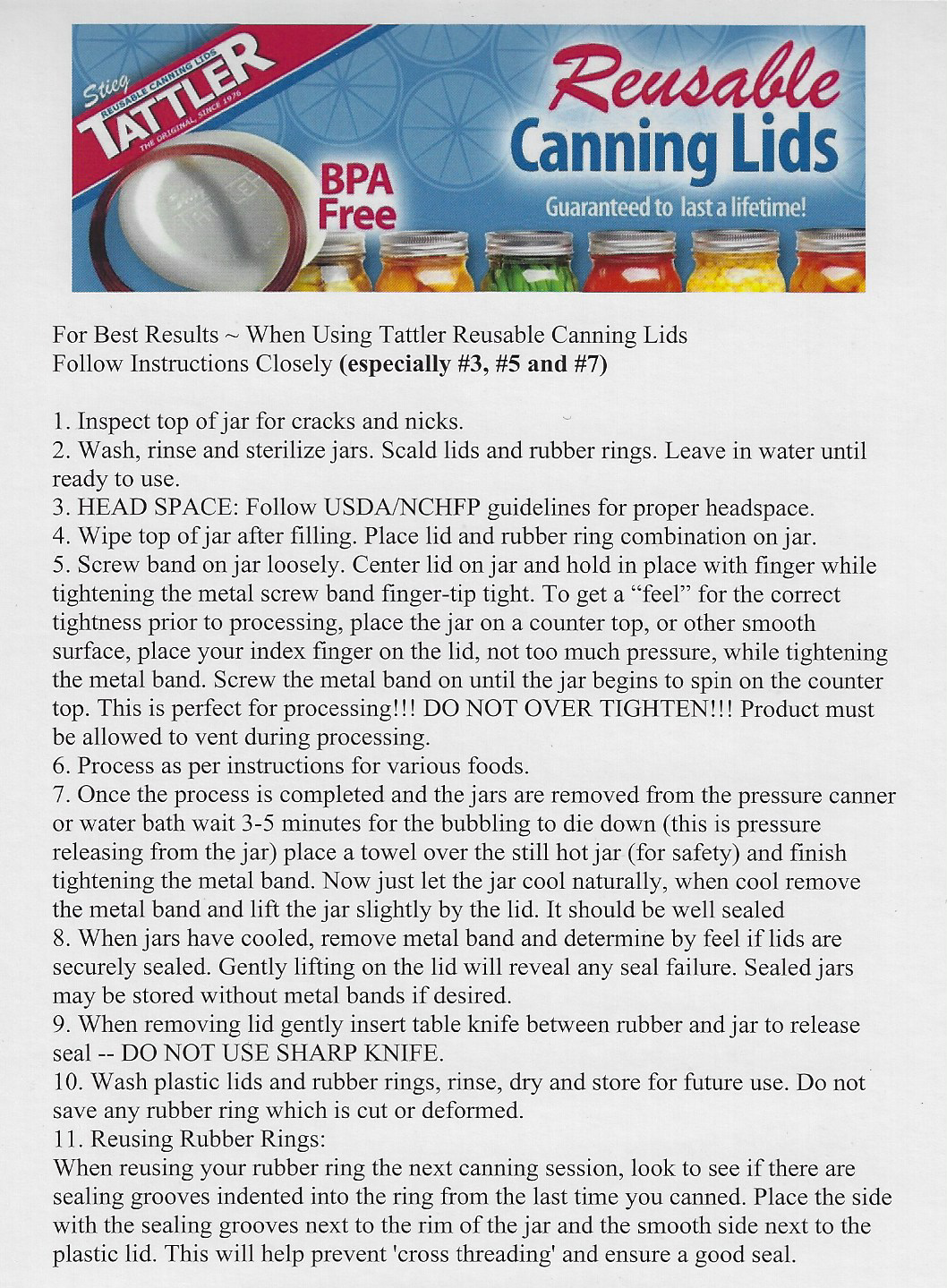
Historically, the advice from canning experts and manufacturers like Ball and Bernardin has been firm: canning lids are for single use only. This wasn’t a matter of maximizing profits; it was rooted in safety concerns. The sealing compound on the lid, a rubbery substance, was believed to degrade with each use, increasing the risk of seal failure. A failed seal can lead to spoilage and, in the worst-case scenario, botulism.
The concern about Clostridium botulinum, the bacteria that produces the deadly botulinum toxin, is what largely drove the single-use recommendation. Botulism thrives in low-oxygen environments, like those created during canning, and a compromised seal could allow the bacteria to flourish. Manufacturers were understandably cautious, prioritizing safety above all else.
According to North Dakota State University Extension, the potential for seal failure was the primary reason for discouraging lid reuse. They emphasized that even minor damage to the sealing compound could compromise the integrity of the seal (NDSU Extension, August 24, 2020). This conservative approach became the standard practice for decades, and it’s deeply ingrained in many canners’ routines.
The 2026 FDA guidelines
The 2026 update allows for reusing two-piece lids under specific conditions. It isn't a free-for-all; the FDA is moving toward a model where the user is responsible for inspecting the integrity of the sealing compound rather than just tossing the lid by default.
The new guidelines are expected to differentiate between two-piece lids (the flat lid and the screw band) and one-piece lids. Reusing two-piece lids will be the focus of the updated guidance, while one-piece lids are still likely to be considered single-use. The change acknowledges that modern lid manufacturing has improved, and that lids can withstand multiple uses if properly cared for and inspected.
The FDA will likely outline specific testing procedures that must be followed after processing jars with reused lids. These procedures will likely involve visual inspection for bulging lids or leaks, as well as a 'tap test' to verify the seal’s integrity. It’s important to note that the FDA isn’t guaranteeing a perfect seal with reused lids; they’re acknowledging that it can be done safely with the proper precautions. The shift is about reducing waste, but safety remains paramount.
We anticipate that the guidelines will also address the type of food being canned. High-acid foods, like jams and pickles, are generally considered safer to can with reused lids than low-acid foods, such as green beans or meats. The FDA may recommend using new lids for low-acid canning to minimize risk. This is an area where we’ll need to provide updates as the final guidelines are released.
How to test the seal
Properly testing the seal is absolutely critical when reusing lids. Don’t just assume everything is okay; take the time to verify. Begin by visually inspecting each jar immediately after processing. Look for any signs of bulging lids, which indicate a potential seal failure. Also, check for leaks around the lid or jar rim.
The 'tap test' is a common method for checking the seal. Gently tap the center of the lid with a metal spoon. A clear, high-pitched ring indicates a good seal. A dull thud suggests the lid isn’t properly sealed. If a lid fails the tap test, it should be refrigerated immediately and the contents used within a few days, or reprocessed with a new lid.
Allow jars to cool completely – typically 12-24 hours – before testing. This allows the contents to settle and the seal to fully form. During this cooling period, listen for any popping sounds, which indicate a lid has lost its seal. Carefully observe the jars for any signs of liquid loss or mold growth. You’ll need a clean, dry workspace and a metal spoon for testing.
Even with meticulous testing, there’s always a small degree of risk. If you’re unsure about the seal, it’s always better to err on the side of caution and discard the contents. Food safety is non-negotiable.
When to throw lids away
Not all lids are candidates for reuse. Any lid showing visible signs of damage should be discarded immediately. This includes rust, dents, warping, or any damage to the sealing compound. Rust compromises the integrity of the metal, while dents and warping can prevent a proper seal.
The University of California Agriculture and Natural Resources (UCANR) emphasizes the importance of inspecting lids for any imperfections (UCANR). They note that even seemingly minor damage can affect the seal’s ability to hold. Pay close attention to the rubbery sealing compound; if it’s cracked, brittle, or missing, the lid should not be reused.
Storage conditions also play a role. Lids should be stored in a cool, dry place to prevent rust and degradation of the sealing compound. Lids that have been exposed to moisture or extreme temperatures are more likely to fail. Lids previously used with high-acid foods are generally considered safer to reuse than those used with low-acid foods, but careful inspection is still essential.
Beyond the Lid: Jar & Band Considerations
While we’re focusing on lids, it’s important to remember that the entire canning system works together. Canning jars themselves are generally reusable indefinitely, as long as they are free from chips or cracks, especially around the rim. A chipped rim can prevent a proper seal.
Bands, on the other hand, can wear out over time. Repeated use can cause them to become bent or rusted, reducing their ability to securely hold the lid in place. If a band is significantly damaged, it should be replaced. Ensure bands are snug, but not overly tightened – overtightening can actually prevent a proper seal.
Sustainable Canning: A Wider View
Reusing canning lids is just one piece of the puzzle when it comes to sustainable canning. Consider buying produce in bulk during peak season to reduce packaging waste and support local farmers. Reducing food waste is also crucial – use every part of the fruit or vegetable whenever possible, and compost any scraps.
Look for opportunities to reduce your overall consumption of canning supplies. Properly storing jars and lids will extend their lifespan. Explore alternative preservation methods, such as freezing or dehydrating, which may be more sustainable in certain situations. Every small change makes a difference.
While reusable silicone lids are gaining popularity, it’s important to check if they are FDA-approved for canning purposes before using them. Not all reusable lids are created equal, and some may not provide a safe, airtight seal. Just Canning is committed to providing resources on all aspects of preservation, and we’ll continue to explore innovative and sustainable options as they become available.
- Buy in bulk
- Reduce food waste
- Use local produce
- Compost scraps
No comments yet. Be the first to share your thoughts!