

Why steam canning works
Steam canning is a safe, evidence-based method for preserving high-acid foods like cucumbers and onions. It uses saturated steam to process jars, offering a faster alternative to traditional water bath canning while using significantly less water. This method is suitable for foods with a pH of 4.6 or below, including pickles, jams, and fruits.
The process relies on atmospheric steam rather than submerging jars in boiling water. This distinction matters because steam transfers heat efficiently, reducing processing time and energy use. However, it is not a substitute for pressure canning. Low-acid vegetables, such as plain onions without added acid, must be pressure canned to prevent botulism. Always use research-tested recipes to ensure safety.
For detailed guidelines on safe steam canning practices, refer to resources from Penn State Extension and SDSU Extension. These sources provide up-to-date research on using atmospheric steam canners effectively.
Gear you need to start
Steam canning cucumbers and onions requires a specific setup to ensure safety and efficiency. Unlike traditional water bath canning, which submerges jars in boiling water, a steam canner uses a shallow layer of water to generate steam that circulates around the jars. This method processes high-acid foods like pickles and onions faster and uses less water, but it demands the right equipment to work correctly.
The Steam Canner
The core piece of equipment is an atmospheric steam canner. These units typically feature a heavy-gauge aluminum base with a grid or rack that holds the jars, topped with a domed lid that traps steam. Look for models with a built-in temperature gauge or a clear lid so you can monitor the steam flow without losing heat. While you can sometimes improvise with a large pot and a rack, dedicated steam canners provide a tighter seal and more consistent results for batch processing.
Reusable Lids
For cucumbers and onions, you must use reusable (two-piece) canning lids. These consist of a flat metal disk with a sealing compound and a screw-on band. The flat disk is designed for single use; once the seal forms and cools, the disk should not be reused for another canning session. The screw band, however, can be reused until it shows signs of rust or distortion. Ensure your bands are clean and free of dents to allow proper air venting during processing.
Jars and Accessories
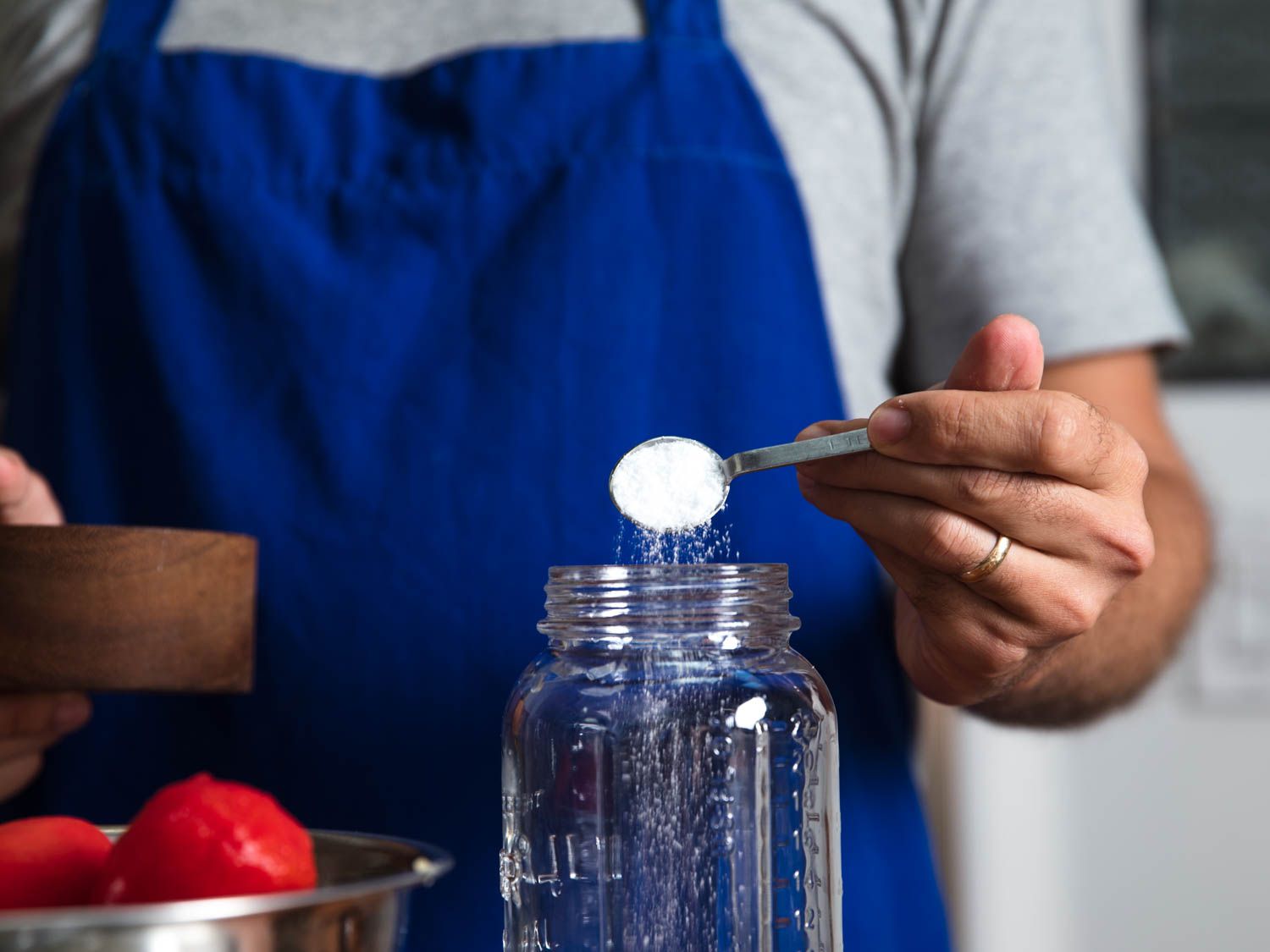
Use standard Mason jars (quart or pint) that are free of chips or cracks. You will also need a jar lifter to safely remove hot jars from the canner without breaking the seal or burning yourself. A bubble remover or non-metallic spatula is essential for removing air pockets after filling, which helps ensure a proper vacuum seal. Finally, keep a clean towel nearby for wiping jar rims before applying the lids, as any food residue can prevent sealing.
Prepare cucumbers and onions
Start by washing your cucumbers and onions thoroughly. Trim the blossom ends from the cucumbers, as these contain enzymes that can soften the pickles during processing. Slice or chop the vegetables to your preferred size, keeping pieces uniform so they pack tightly and process evenly. Rinse the cut vegetables in cold water to remove surface dirt and any residual enzymes.
The most critical step in preparing cucumbers and onions is managing acidity. Onions are low-acid vegetables, meaning they do not naturally reach the pH level required to prevent botulism. For steam canning, which relies on high heat to preserve food, you must heavily acidify the mixture. This means adding a research-tested amount of vinegar or lemon juice to your brine. Without this acidification, the onions create a safe harbor for harmful bacteria, making the entire jar unsafe to eat.
Once the vegetables are prepped and the acid is added, keep the mixture covered until you are ready to pack the jars. Do not let the cut vegetables sit out for extended periods, as they can begin to discolor or dry out. If you are using a recipe that calls for soaking (such as in ice water or lime water for crispness), drain and rinse them thoroughly before adding the hot brine.
Load and process the jars
Once your cucumbers and onions are packed into sterilized jars with hot brine, the next phase is getting them into the steam canner safely. The goal here is to maintain a steady, rolling steam environment for the exact duration required by your recipe. This ensures the acidity and heat work together to kill bacteria and create a vacuum seal.
1. Add water and load the jars
Pour two cups of hot water into the bottom of the steam canner. This water creates the steam reservoir needed for the process. Place the filled jars directly onto the rack inside the canner. Ensure the jars are not touching each other or the sides of the canner to allow steam to circulate freely around every surface.
2. Bring to a full boil
Cover the canner with its lid and place it on the stove over high heat. Do not walk away; you need to monitor the process closely. Wait until the water in the base is boiling vigorously and a steady stream of steam is escaping from the vents or lid edges. This usually takes 5 to 10 minutes depending on your stove and canner size.
3. Time the steam process
As soon as you see a consistent, strong flow of steam, start your timer. For pickled cucumbers and onions, the processing time is typically 10 to 15 minutes, but always defer to your specific research-tested recipe. Keep the heat high enough to maintain that rolling steam throughout the entire duration. If the steam slows down, the jars may not reach the necessary temperature for safe preservation.
4. Cool and check seals
When the timer goes off, turn off the heat and carefully remove the lid away from your face to avoid steam burns. Use a jar lifter to remove the hot jars and place them on a towel-lined counter or cutting board. Let them cool undisturbed for 12 to 24 hours. As they cool, you will hear the characteristic "ping" of lids sealing. Press the center of each lid; if it doesn't flex up and down, the jar is sealed.
5. Store or refrigerate
Remove the screw bands and wipe the jars clean. Label them with the date and contents. Store sealed jars in a cool, dark, dry place for up to a year. Any jars that did not seal should be refrigerated and consumed within a few weeks. For detailed safety guidelines on acidic food preservation, refer to the National Center for Home Food Preservation.
Pre-Process Checklist
-
Jars sterilized and kept hot until filled
-
Brine brought to a boil
-
Headspace left according to recipe (usually 1/2 inch)
-
Rims wiped clean with vinegar to ensure seal
-
Lids and bands ready (bands finger-tight only)
-
Two cups of hot water added to canner base
-
Timer set for the correct processing duration
Check seals and store
After the processing time ends, remove the jars from the steam canner and place them on a towel-lined countertop. Let them cool undisturbed for 12 to 24 hours. Avoid moving or tightening the lids during this period, as the vacuum seal forms as the contents contract and cool.
Once cool, test the seals. Press the center of each lid; it should not flex up or down. If a lid pops, the seal failed. Refrigerate these jars immediately and consume them within a few weeks. Do not attempt to reprocess failed jars, as this can introduce bacteria. For successful seals, remove the metal bands to prevent rusting and trap moisture, then wipe the jars clean.
Store the sealed jars in a cool, dark, and dry place, ideally between 50°F and 70°F. Check the seals monthly to ensure they remain intact. Properly sealed steam-canned cucumbers and onions will keep for 12 to 18 months. For detailed safety guidelines on steam canning high-acid foods, refer to the Penn State Extension.
Common steam canning: what to check next
Steam canning is gaining traction for cucumbers and onions because it is faster and uses less energy than traditional water bath methods. However, the shift in equipment brings up specific concerns about safety and efficiency. Below are the most frequent questions regarding jar preparation and lid handling.
Can I sterilize my jars in a steam canner?
Yes, you can sterilize jars directly inside the steam canner. Place your filled jars into the canner and cover them with the lid. Run the steam for 10 to 15 minutes to ensure the jars are properly sterilized. This method works similarly to a water bath canner, except you do not need to submerge the jars in water; the steam does the work. For cucumbers and onions, this step is often integrated into the heating phase before the pressure builds, ensuring your jars are hot when they enter the boiling stage.
Can I reuse canning lids for steam canning?
No. Standard canning lids are designed for single use only, regardless of the canning method. The sealing compound on the lid melts during the heating process to create an airtight seal. Once cooled, this compound cannot be re-melted effectively to guarantee a safe seal. Reusing lids increases the risk of seal failure, which can lead to spoilage or foodborne illness. Always use new, unused lids for every batch of steam canned cucumbers or onions.
Is steam canning safe for low-acid foods?
Steam canning is only safe for high-acid foods, such as pickled cucumbers and onions. It is not approved for low-acid foods like plain vegetables or meats, which require pressure canning to reach the higher temperatures needed to destroy botulism spores. Always follow tested recipes that specify steam canning times and pressures. The USDA and extension services have recently validated steam canning for high-acid foods, but the rules remain strict regarding acidity levels.
Work through to Steam Canning
No comments yet. Be the first to share your thoughts!